Karnataka govt's decision to provide eggs to school children sparks row

News Network
December 5, 2021

Bengaluru, Dec 5: The Karnataka government has begun distribution of eggs to school children in seven districts of the state where the malnourishment indicator is alarming from December 1. The decision has angered a section of society who are demanding that eggs shouldn’t be distributed inside schools as it encourages discrimination among school going children.

Another section supporting egg supplements to school children claims that this project should not stop as protein supplement is badly needed by the students. They say children who have easier access to better nutrition have better education outcomes.

The BJP-JD (S) coalition government in 2007, then headed by HD Kumaraswamy, had rolled back its project of distributing eggs to school children, succumbing to pressure from Brahmin groups. However, it is to be seen how the BJP government responds to the issue now.

Education Minister BC Nagesh said that the scheme has been implemented with people opposing and favouring it. "There is no substitution for egg as such. There is soyabean, but children won't eat it. The project has been implemented with an intention to address malnutrition among children," he stated.

From December 1, the Karnataka government has started providing boiled eggs and bananas to children studying in government aided schools, aged between six and 15 years and suffering from malnutrition, anaemia and deficiency of proteins.

As many as 14,44,322 students studying in the first standard to the eighth standard in Bidar, Raichur, Kalaburagi, Yadgir, Koppal, Ballary and Vijayapura districts would be the beneficiaries. The programme will end in March 2022.

Yadgir district has 74 per cent of students suffering from malnutrition and anaemia. Kalaburagi (72.4 per cent), Ballary (72.3 per cent), Koppal (70.7 per cent), Raichur (70.6 per cent), Bidar (69.1 per cent) and 68 per cent of students in Vijayapura were found to be malnourished.

However, the move by the government is facing stiff opposition. Channa Basavananda Swamiji, National President of Lingayat Dharma Mahasabha, has demanded a rollback of the decision. "There is uniformity among school-going children in terms of dress code, syllabus. There shouldn't be discrimination in terms of food. The government should provide food which is acceptable to all," he said.

"We are discussing a future course of action considering the prevailing Covid situation in the state, and a decision will be taken. Fifteen seers are gathered to discuss the issue," he stated.

Niranjan Aradhya, a development educationist and a former faculty of National Law School of India University, described the opposition to providing eggs to students as a ploy to divide the country based on food. "The government shouldn't succumb to religious threats. The scheme has to be extended to the whole of Karnataka. Eggs have to be given to small children going to anganwadis and students from class one to 10 have to get eggs," he said.

"I don't know why religious seers are getting into it. According to the National Family Health Survey 5th round (2019), in Karnataka, most children are not reaching their ideal height and weight, with stunting (less height for age) of 35.4 per cent, underweight (less weight for age) of 32.9 per cent even before starting their school life at 6 years, and this is more so in children from vulnerable communities," he explained.

When asked how important it is to provide eggs to students in the region, Yadgir District Commissioner Dr Ragapriya R said, "We have seen over the course of three to four months of continuous monitoring, that the children who are being given the nutritional supplement and eggs tend to improve their height, weight and circumference of upper hand, all these parameters do improve."

"In my district (Yadgir) I have not received a single objection so far. No one has come to our office with such a demand."

Providing eggs to students will help. Indian children have the least height in the whole world. One of the biggest reasons is high malnourishment rates. If you give protein automatically the height and weight of the children is going to increase. Even if the children who are getting good nutrition at home are given a supplement of one egg per day definitely their nutritional status improves. Usually better nutritional levels are associated with better learning outcomes, she said.

Basavaraj Dhanur, National President of Basava Dal, stated that they are not opposing eggs for students. "We are only requesting not to distribute them in schools. Let them deliver it to the homes of students or make other arrangements," he said.

Mahaling Swamy Chatnalli of Rastreeya Basava Dal said that Jain, Brahmin and Lingayat community leaders had staged a protest before then Chief Minister H.D. Kumaraswamy's residence opposing distribution of eggs at school in 2007. The decision was reversed. "It hurts religious sentiments. It has to be revoked," he added."

Neighbouring Tamil Nadu introduced eggs with midday meals 50 years ago during the tenure of then Chief Minister MG Ramachandran. The Women and Child Welfare department has been providing eggs to malnourished children for many years. The supply of protein in the form of eggs and pulses is seen as crucial during the Covid pandemic as the virus affects those with less immunity. 

Comments

Add new comment

  • Coastaldigest.com reserves the right to delete or block any comments.
  • Coastaldigset.com is not responsible for its readers’ comments.
  • Comments that are abusive, incendiary or irrelevant are strictly prohibited.
  • Please use a genuine email ID and provide your name to avoid reject.
News Network
December 4,2025

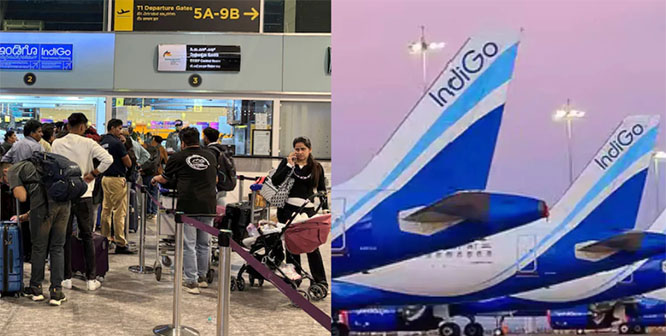
Mangaluru: Chaos erupted at Mangaluru International Airport (MIA) after IndiGo flight 6E 5150, bound for Mumbai, was repeatedly delayed and ultimately cancelled, leaving around 100 passengers stranded overnight. The incident highlights the ongoing country-wide operational disruptions affecting the airline, largely due to the implementation of new Flight Duty Time Limitations (FDTL) norms for crew.

The flight was initially scheduled for 9:25 PM on Tuesday but was first postponed to 11:40 PM, then midnight, before being cancelled around 3:00 AM. Passengers expressed frustration over last-minute communication and the lack of clarity, with elderly and ailing travellers particularly affected. “Though the airline arranged food, there was no proper communication, leaving us confused,” said one family member.

An IndiGo executive at MIA cited the FDTL rules, designed to prevent pilot fatigue by limiting crew working hours, as the cause of the cancellation. While alternative arrangements, including hotel stays, were offered, about 100 passengers chose to remain at the airport, creating tension. A replacement flight was arranged but also faced delays due to the same constraints, finally departing for Mumbai around 1:45 PM on Wednesday. Passengers either flew, requested refunds, or postponed their travel.

The Mangaluru delay is part of a broader crisis for IndiGo. The airline has been forced to make “calibrated schedule adjustments”—a euphemism for widespread cancellations and delays—after stricter FDTL norms came into effect on November 1.

While an IndiGo spokesperson acknowledged unavoidable flight disruptions due to technology issues, operational requirements, and the updated crew rostering rules, the DGCA has intervened, summoning senior airline officials to explain the chaos and outline corrective measures.

The ripple effect has been felt across the country, with major hubs like Bengaluru and Mumbai reporting numerous cancellations. The Mangaluru incident underscores the systemic operational strain currently confronting India’s largest carrier, leaving passengers nationwide grappling with uncertainty and delays.

Comments

Add new comment

  • Coastaldigest.com reserves the right to delete or block any comments.
  • Coastaldigset.com is not responsible for its readers’ comments.
  • Comments that are abusive, incendiary or irrelevant are strictly prohibited.
  • Please use a genuine email ID and provide your name to avoid reject.
News Network
December 4,2025

indigocrisis.jpg

Angry outbursts, long queues, and desperate appeals filled airports across India today as IndiGo grappled with a severe operational breakdown. Hundreds of flights have been cancelled or delayed, leaving thousands of passengers stranded through the night and forcing many to spend long hours at helpdesks.

Social media was flooded with videos of fliers pleading for assistance, accusing the airline of misleading updates, and demanding accommodation after being stuck for 10 to 12 hours at airports such as Hyderabad and Bengaluru.

What Triggered the Meltdown?

IndiGo has attributed the widespread disruption to “a multitude of unforeseen operational challenges.” These include:

•    Minor technology glitches
•    Winter-season schedule adjustments
•    Bad weather
•    Congestion in the aviation network
•    New crew rostering rules (Flight Duty Time Limitations or FDTL)

Among these, the most disruptive has been the implementation of the updated FDTL norms introduced by the Directorate General of Civil Aviation (DGCA) in January 2024.

These rules were designed to reduce pilot fatigue and improve passenger safety. Key changes include:

•    Longer weekly rest periods for flight crew
•    A revised definition of “night,” extending it by an extra hour
•    Tighter caps on flight duty timing and night landings
•    Cutting night shifts for pilots and crew from six per roster cycle to just two

Once these norms became fully enforceable, airlines were required to overhaul rosters well in advance. For IndiGo, this triggered a sudden shortage of crew available for duty, leading to cascading delays and cancellations.

Why IndiGo Was Hit the Hardest

IndiGo is India’s largest airline by a wide margin, operating over 2,200 flights daily. That’s roughly double the number operated by Air India.

When an airline of this size experiences even a 10–20% disruption, it translates to 200–400 flights being delayed or grounded — producing massive spillover effects across the country.

IndiGo also relies heavily on high-frequency overnight operations, a model typical of low-cost carriers that aim to maximise aircraft utilisation and reduce downtime. The stricter FDTL norms clash with these overnight-heavy schedules, forcing the airline to pull back services.

Aviation bodies have also criticised IndiGo’s preparedness. The Airline Pilots' Association of India (ALPA) said airlines were given a two-year window to plan for the new rules but “started preparing rather late.” IndiGo, it said, failed to rebuild crew rosters 15 days in advance as required.

The Federation of Indian Pilots (FIP) went further, calling the crisis the result of IndiGo’s “prolonged and unorthodox lean manpower strategy,” and alleging that the airline adopted a hiring freeze even as it knew the new rules would require more careful staffing.

How Many Flights Are Affected?

In the past 48 hours, over 300 flights have been cancelled. At least 100 more are expected to be cancelled today.

City-wise impact:

•    Hyderabad: 33 expected cancellations; several fliers stranded overnight
•    Bengaluru: over 70 expected cancellations
•    Delhi, Mumbai, Chennai, Kolkata: widespread delays and missed connections

Passengers shared distressing accounts online.

One customer at Hyderabad airport said they waited from 6 PM to 9 AM with “no action taken” regarding their delayed Pune flight. Another said IndiGo repeatedly told them the crew was “arriving soon,” only for the delay to stretch over 12 hours.

IndiGo has apologised for the disruption and promised that operations will stabilise within 48 hours, adding that “calibrated adjustments” are being made to contain the chaos.

What Should Passengers Do Now?

For those flying in the next few days, especially with IndiGo, here are key precautions:

1. Keep Checking Flight Status
Monitor your flight closely before leaving for the airport, as delays may be announced last-minute.

2. Arrive Early
Expect long queues at counters and security due to crowding and rescheduling.

3. Carry Essentials
Pack snacks, water, basic medicines, chargers, and items for children or senior citizens. Extended waiting times should be anticipated.

4. Use Flexible Booking Options
If you booked tickets with a free-date-change or cancellation option, consider using them.
If you haven’t booked yet, prefer refundable or flexible fares, or even consider alternate airlines.

5. Follow IndiGo’s Updates
Keep an eye on IndiGo’s official social media channels and contact customer support for rebooking and refund queries.

What Needs to Change?

Pilot groups have raised concerns not just about staffing but also the planning practices behind it.
The Federation of Indian Pilots accused IndiGo of:

•    Imposing an unexplained hiring freeze despite knowing the FDTL changes were coming
•    Entering non-poaching agreements that limited talent movement
•    Keeping pilot pay frozen
•    Underestimating the need to restructure operations in advance

They have urged DGCA to approve seasonal schedules only after airlines prove they have adequate pilot strength under the new norms.

ALPA also warned that some airlines might be using the delays as an “immature pressure tactic” to push DGCA for relaxations in the new rules — which, if granted, could compromise the very safety standards the norms were meant to protect.

Both pilot bodies stressed that no exemption should dilute safety, and any deviations should be based solely on scientific risk assessment.

Is a Solution in Sight?

While IndiGo says normalcy will return within two days, aviation experts believe that fully stabilising operations could take longer, depending on how quickly the airline can:
•    Re-align rosters
•    Mobilise rested crew
•    Boost staffing
•    Adjust its winter schedule to match regulatory requirements
Passengers are advised to remain prepared for continued delays over the next few days as the airline works through its backlog. 

Comments

Add new comment

  • Coastaldigest.com reserves the right to delete or block any comments.
  • Coastaldigset.com is not responsible for its readers’ comments.
  • Comments that are abusive, incendiary or irrelevant are strictly prohibited.
  • Please use a genuine email ID and provide your name to avoid reject.
News Network
December 2,2025

Puttur: The long-cherished dream of a government medical college in Puttur has moved a decisive step closer to reality, with the Karnataka State Finance Department granting its official approval for the construction of a new 300-bed hospital.

Puttur MLA Ashok Kumar Rai announced the crucial development to reporters on Monday, confirming that the official communication from the finance department was issued on November 27. This 300-bed facility is intended to be the cornerstone for the establishment of the government medical college, a project announced in the state budget.

Fast-Track Implementation

The MLA outlined an aggressive timeline for the project:

•    A Detailed Project Report (DPR) for the hospital is expected to be ready within 45 days.

•    The tender process for the construction will be completed within two months.

Following the completion of the tender process, Chief Minister Siddaramaiah is scheduled to lay the foundation stone for the project.

"Setting up a medical college in Puttur is a historical decision by the Congress government in Karnataka," Rai stated. The project has an estimated budget allocation of Rs 1,000 crore for the medical college.

Focus on Medical Education Department

The MLA highlighted a key strategic move: requesting the government to implement the hospital construction through the Medical Education Department instead of the Health and Family Welfare Department. This is intended to streamline the entire process of establishing the full medical college, ensuring the facilities—including labs, operation theatres, and other necessary infrastructure—adhere to the strict guidelines set by the Medical Council of India (MCI). The proposed site for the project is in Bannur.

Rai also took the opportunity to address political criticism, stating that the government has fulfilled its promise despite "apprehensions" and "mocking and criticising" from opposition parties who had failed to take similar initiatives when they were in power. "Chief Minister Siddaramaiah has kept his word," he added.

Comments

Add new comment

  • Coastaldigest.com reserves the right to delete or block any comments.
  • Coastaldigset.com is not responsible for its readers’ comments.
  • Comments that are abusive, incendiary or irrelevant are strictly prohibited.
  • Please use a genuine email ID and provide your name to avoid reject.