



CM appoints new heads for boards, corporations

[email protected] (CD Network)
November 24, 2014

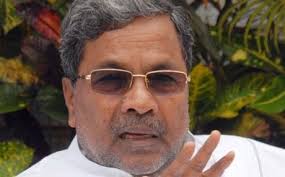
Bengaluru, Nov 24: After 18 months, boards and corporations in the state finally got chairpersons on Monday with the Siddaramaiah government appointing Congress leaders and cadres to these statutory bodies.
siddram
The appointments had been hanging fire due to differences between the chief minister and KPCC president G Parameshwara over names for the posts. There was no formal release of the list of names, and the respective departments issued appointment letters to the nominees on Monday. The Congress high command has cleared 92 names to various bodies.

The newly appointed chiefs and deputy chiefs will have a tenure of only 18 months. Noted film director S V Rajendra Singh Babu has been appointed as chairman of Karnataka Chalanachitra Academy, while Congress member Vijayalakshmi Urs will head Kanteerava Studios Corporation Limited.

M Ramachandrappa (D Devaraj Urs Backward Classes Development Corporation); Nanjayyanamath (chief, KHB); Gaddadevaramath (Warehousing Corporation Limited); Syed Ahmed Hussain ( State Tourism Development Corporation); Subhash Chayagol (Border Area Development Authority); L Haumanthaiah (Kannada Development Authority); Rangaswamaiah (Karnataka State Temperance Board); Lohith D Naikar (vice-chairman, KSRTC); Nabiraju (chairman, BMTC); Shivakumar Gowda Shetty (vice-chairman, BMTC); MD Saudagar (chairman, NWRTC) Anand Kumar (Compost Development Corporation) and Bheemanna Saali (chairman, NERTC), Rani Satish (chief, Hutti gold Mines), LN Murthy (chief, Marketing Consultancy and Agency); Veronica Karneel (chief, Soaps and Detergents Limited); Jayaram (chairman, State Textile Infrastructure Development Corporation); B Gurappa Naidu (chairman, State Small Industries Development Corporation); AM Pathan (vice-chairman, State Small Industries Development Corporation); Kadur Nanjappa (chief, State Coir Board); Veena Achhaiah (chief, Handicrafts Development Corporation); CB Rajappa (chief, State Industrial Investment and Development Corporation); Lakshman Rao Chingale (chief, State Khadi and Village Industries); Mallikarjuna Nagappa (chief, Handloom Development Corporation); Ananth (chief, Mysore Paints and Varnishing Ltd); Gurucharan (chief, Mysore Electrical Industries Limited); and ML Anil Kumar (chairman, MSIL).

Comments

Add new comment

  • Coastaldigest.com reserves the right to delete or block any comments.
  • Coastaldigset.com is not responsible for its readers’ comments.
  • Comments that are abusive, incendiary or irrelevant are strictly prohibited.
  • Please use a genuine email ID and provide your name to avoid reject.
News Network
February 3,2026

Bengaluru: Following reports of fresh Nipah virus (NiV) cases in West Bengal and heightened vigilance across parts of Southeast Asia, the Karnataka Health Department has placed the state on high alert and activated emergency preparedness protocols.

Health officials said enhanced surveillance measures have been initiated after two healthcare workers in Barasat, West Bengal, tested positive for the virus earlier this month. While no cases have been reported in Karnataka so far, authorities said the state’s past exposure to Nipah outbreaks and high inter-state mobility warranted preventive action.

Officials have directed district health teams to intensify monitoring, particularly at hospitals and points of entry, and to ensure early detection and isolation of suspected cases.

High Mortality Virus with Multiple Transmission Routes

Nipah virus is a zoonotic disease that can spread from animals to humans and has a reported fatality rate ranging between 60 and 75 per cent. Fruit bats, also known as flying foxes, are the natural reservoirs of the virus and can transmit it by contaminating food sources with saliva or urine.

Known modes of transmission include:

•    Contaminated food: Consumption of fruits partially eaten by bats or raw date-palm sap
•    Animal contact: Exposure to infected pigs or other animals
•    Human-to-human transmission: Close contact with body fluids of infected persons, particularly in healthcare settings

Symptoms and Disease Progression

The incubation period typically ranges from 4 to 14 days, though delayed onset has also been reported. Early symptoms often resemble common viral infections, making prompt clinical suspicion critical.

•    Initial symptoms: Fever, headache, body aches, fatigue, sore throat
•    Progressive symptoms: Drowsiness, disorientation, altered mental state
•    Severe stage: Seizures, neck stiffness and acute encephalitis, which can rapidly progress to coma

Public Health Advisory

The Health Department has issued precautionary guidelines urging the public to adopt risk-avoidance practices to prevent any local spillover.

Do’s
•    Wash fruits thoroughly before consumption
•    Drink boiled and cooled water
•    Use protective equipment while handling livestock
•    Maintain strict hand hygiene

Don’ts
•    Avoid fruits found on the ground or showing bite marks
•    Do not consume beverages made from raw tree sap, including toddy
•    Avoid areas with dense bat populations
•    Do not handle sick or dead animals

Preparedness Measures

Officials confirmed that isolation wards are being readied in major government hospitals and that medical staff are being sensitised to identify early warning signs.

“There is no cause for panic, but there is a need for heightened vigilance,” a senior health official said, adding that there is currently no approved vaccine or specific antiviral treatment for Nipah, and care remains largely supportive.

Comments

Add new comment

  • Coastaldigest.com reserves the right to delete or block any comments.
  • Coastaldigset.com is not responsible for its readers’ comments.
  • Comments that are abusive, incendiary or irrelevant are strictly prohibited.
  • Please use a genuine email ID and provide your name to avoid reject.