Mangaluru man duped of ₹2 crore in WhatsApp ‘double-your-money’ scam

News Network
November 12, 2025

Mangaluru: A 43-year-old city resident has lost more than ₹2 crore in a long-running online investment racket, after falling prey to conmen who promised to double his money through a “safe” trading platform.

According to the complaint filed at the City Cyber Economic and Narcotics (CEN) Police Station, the victim’s ordeal began on May 1, 2022, when he received a WhatsApp message from a man named Ankit, posing as an employee of a reputed investment firm.

Ankit lured the victim with claims of guaranteed double returns and later introduced three alleged associates — Sumit Jaiswal, Kushagar Jain, and Akhil — who, he said, handled overseas investments for higher profits.

To win the victim’s trust, the scammers first asked him to invest ₹3,500 and quickly returned ₹1,000 as “profit.” Tempted by the apparent success, the complainant went on to invest increasingly larger sums over several months — transferring funds from his own accounts as well as those of his wife, uncle, and niece.

Between May 2022 and August 2025, he allegedly transferred over ₹2 crore through UPI and IMPS transactions to multiple accounts linked to the accused.

The scam unravelled when all communication from the group abruptly stopped. When the victim finally reached Ankit, he was told that the other three had “cheated” him and vanished. Later, the trio reportedly contacted the complainant, issuing death threats and warning him not to approach the police.

Alarmed, he shared the ordeal with his family and lodged a complaint with the CEN police, who are investigating the matter.

Comments

Add new comment

  • Coastaldigest.com reserves the right to delete or block any comments.
  • Coastaldigset.com is not responsible for its readers’ comments.
  • Comments that are abusive, incendiary or irrelevant are strictly prohibited.
  • Please use a genuine email ID and provide your name to avoid reject.
News Network
December 4,2025

Mangaluru: Chaos erupted at Mangaluru International Airport (MIA) after IndiGo flight 6E 5150, bound for Mumbai, was repeatedly delayed and ultimately cancelled, leaving around 100 passengers stranded overnight. The incident highlights the ongoing country-wide operational disruptions affecting the airline, largely due to the implementation of new Flight Duty Time Limitations (FDTL) norms for crew.

The flight was initially scheduled for 9:25 PM on Tuesday but was first postponed to 11:40 PM, then midnight, before being cancelled around 3:00 AM. Passengers expressed frustration over last-minute communication and the lack of clarity, with elderly and ailing travellers particularly affected. “Though the airline arranged food, there was no proper communication, leaving us confused,” said one family member.

An IndiGo executive at MIA cited the FDTL rules, designed to prevent pilot fatigue by limiting crew working hours, as the cause of the cancellation. While alternative arrangements, including hotel stays, were offered, about 100 passengers chose to remain at the airport, creating tension. A replacement flight was arranged but also faced delays due to the same constraints, finally departing for Mumbai around 1:45 PM on Wednesday. Passengers either flew, requested refunds, or postponed their travel.

The Mangaluru delay is part of a broader crisis for IndiGo. The airline has been forced to make “calibrated schedule adjustments”—a euphemism for widespread cancellations and delays—after stricter FDTL norms came into effect on November 1.

While an IndiGo spokesperson acknowledged unavoidable flight disruptions due to technology issues, operational requirements, and the updated crew rostering rules, the DGCA has intervened, summoning senior airline officials to explain the chaos and outline corrective measures.

The ripple effect has been felt across the country, with major hubs like Bengaluru and Mumbai reporting numerous cancellations. The Mangaluru incident underscores the systemic operational strain currently confronting India’s largest carrier, leaving passengers nationwide grappling with uncertainty and delays.

Comments

Add new comment

  • Coastaldigest.com reserves the right to delete or block any comments.
  • Coastaldigset.com is not responsible for its readers’ comments.
  • Comments that are abusive, incendiary or irrelevant are strictly prohibited.
  • Please use a genuine email ID and provide your name to avoid reject.
News Network
December 16,2025

SMR1.jpg

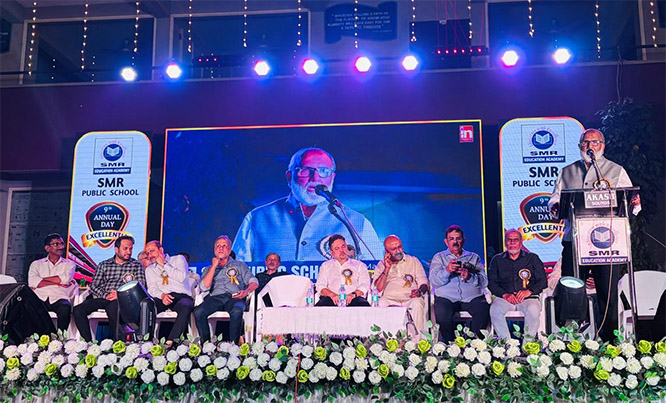
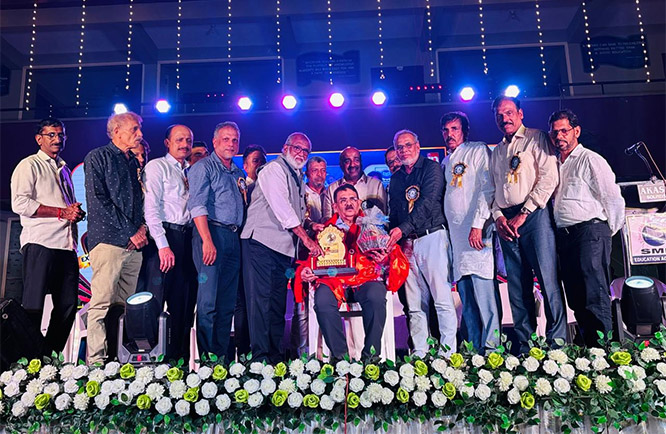
Melkar (Bantwal): The 9th Annual Day celebration of SMR Public School, titled “EXCELLENTIA”, was held on December 15 with great enthusiasm and dignity, marking a significant milestone in the institution’s journey towards academic excellence and holistic development.

The programme was inaugurated by Dr. U. T. Iftikar Ali. The chief guests were Dr. Akhtar Hussain, Mr. P. Moosabba Beary, Mr. Zakaria Jokattre, and Dr. T. M. Abdul Rahuf—whose inspiring addresses motivated the students and appreciated the school’s contributions to education.

Mr. Abdul Nasir, Mr. Ibrahim Gadiyar, Mr. Razak Golthamajal, Mr. Sali Koya, Mr. Arshad Hussain, Mr. Ismail Balanoor, Mr. Feroz Bawa, Mr. Sahul Hameed, Mr. Abubakkar, Mr. Hameed K. Mani, Mr. Abdul Majeed (Principal, Melkar Women’s College), and Mr. Abdul Lathief (Former Principal, Melkar Women’s College) were the guests of honour.

The Annual Report was presented by the Headmistress, Ms. Fathimathul Zaheera, highlighting the school’s achievements and progress during the academic year. The Presidential Address was delivered by the Chairman of SMR Public School, Dr. Haji S. M. Rasheed, who emphasised the vital role of education in shaping students’ futures and stressed the importance of discipline, dedication, and consistent effort in achieving 100 per cent academic results.

Secretary of SMR Public School, Mr. Rifath Ahmed, and PTA President, Mr. Sandeep Kumar, were also present on the occasion.

The Annual Day celebration showcased the collective efforts of students and teachers and reaffirmed the school’s commitment to quality education and all-round development. The programme concluded with a vote of thanks, expressing gratitude to all dignitaries, parents, and well-wishers for their support. The 9th Annual Day—EXCELLENTIA—was a memorable and successful event, leaving a lasting impression on everyone present. 

SMR3.jpg

SMR2.jpg

Comments

Add new comment

  • Coastaldigest.com reserves the right to delete or block any comments.
  • Coastaldigset.com is not responsible for its readers’ comments.
  • Comments that are abusive, incendiary or irrelevant are strictly prohibited.
  • Please use a genuine email ID and provide your name to avoid reject.
News Network
December 13,2025

New Delhi: School-going children are picking up drug and smoking habits and engaging in consumption of alcohol, with the average age of introduction to such harmful substances found to be around 13 years, suggesting a need for earlier interventions as early as primary school, a multi-city survey by AIIMS-Delhi said.

The findings also showed substance use increased in higher grades, with grade XI/XII students two times more likely to report use of substances when compared with grade VIII students. This emphasised the importance of continued prevention and intervention through middle and high school.

The study led by Dr Anju Dhawan of AIIMS's National Drug Dependence Treatment Centre, published in the National Medical Journal of India this month, looks at adolescent substance use across diverse regions.

The survey included 5,920 students from classes 8, 9, 11 and 12 in urban government, private and rural schools across 10 cities -- Bengaluru, Chandigarh, Delhi, Dibrugarh, Hyderabad, Imphal, Jammu, Lucknow, Mumbai, and Ranchi. The data were collected between May 2018 and June 2019.

The average age of initiation for any substance was 12.9 (2.8) years. It was lowest for inhalants (11.3 years) followed by heroin (12.3 years) and opioid pharmaceuticals (without prescription; 12.5 years).

Overall, 15.1 per cent of participants reported lifetime use, 10.3 per cent reported past year use, and 7.2 per cent reported use in the past month of any substance, the study found.

The most common substances used in the past year, after tobacco (4 per cent) and alcohol (3.8 per cent), were opioids (2.8 per cent), followed by cannabis (2 per cent) and inhalants (1.9 per cent). Use of non-prescribed pharmaceutical opioids was most common among opioid users (90.2 per cent).

On being asked, 'Do you think this substance is easily available for a person of your age' separately for each substance category, nearly half the students (46.3 per cent) endorsed that tobacco products and more than one-third of the students (36.5 per cent) agreed that a person of their age can easily procure alcohol products.

Similarly, for Bhang (21.9 per cent), ganja/charas (16.1 per cent), inhalants (15.2 per cent), sedatives (13.7 per cent), opium and heroin (10 per cent each), the students endorsed that these can be easily procured.

About 95 per cent of the children, irrespective of their grade, agreed with the statement that 'drug use is harmful'.

The rates of substance use (any) among boys were significantly higher than those of girls for substance use (ever), use in the past year and use in the past 30 days. Compared to grade VIII students, grade IX students were more likely, and grade XI/XII students were twice as likely to have used any substance (ever).

The likelihood of past-year use of any substance was also higher for grade IX students and for grade XI/XII students as compared to grade VIII students.

About 40 per cent of students mentioned that they had a family member who used tobacco or alcohol each. The use of cannabis (any product) and opioid (any product) by a family member was reported by 8.2 per cent and 3.9 per cent of students, respectively, while the use of other substances, such as inhalants/sedatives by family was 2-3 per cent, the study found.

A relatively smaller percentage of students reported use of tobacco or alcohol among peers as compared to among family members, while a higher percentage reported inhalants, sedatives, cannabis or opioid use among peers.

Children using substances (past year) compared to non-users reported significantly higher any substance use by their family members and peers.

There were 25.7 per cent students who replied 'yes' to the question 'conflicts/fights often occur in your family'. Most students also replied affirmatively to 'family members are aware of how their time is being spent' and 'damily members are aware of with whom they spend their time'.


Comments

Add new comment

  • Coastaldigest.com reserves the right to delete or block any comments.
  • Coastaldigset.com is not responsible for its readers’ comments.
  • Comments that are abusive, incendiary or irrelevant are strictly prohibited.
  • Please use a genuine email ID and provide your name to avoid reject.