SP Balasubrahmanyam no more

News Network
September 25, 2020

spbalasubramanyam.JPG

Chennai, Sept 25: The legendary singer, who was hospitalised in August after testing positive for COVID-19, died on Friday afternoon at a private hospital in Chennai

Legendary playback singer S.P. Balasubrahmanyam passed away at a private hospital at 1.04 p.m. in Chennai on Friday. He was 74.

Balasubrahmanyam was hospitalised in August at MGM Healthcare after testing positive for COVID-19, and while he reportedly did well initially, he took a turn for the worse, and was put on a ventilator and ECMO support.

On September 7, he tested negative for COVID-19 but continued to be on ventilator.

Popularly known as SPB, Balasubrahmanyam made his singing début in 1966 with Telugu movie Sri Sri Sri Maryada Ramanna. He has sung over 40,000 songs in as many as 16 languages including Telugu, Tamil, Malayalam, Kannada, and Hindi.

Balasubrahmanyam was also a voice-over artist. He was the voice-over artist for actor Kamal Hassan, whenever the latter's Tamil movies were dubbed in Telugu. Balasubrahmanyam also acted in a few movies.

He is survived by his wife, a son and a daughter — both are playback singers.

Balasubrahmanyam sang thousands of songs in South Indian languages and in Hindi for five decades for generations of actors — from MGR, Sivaji Ganesan and Gemini Ganesan — and was the winner of six national awards.

Paadum Nila (Singing Moon) as he was called by his fans, had a lilting voice with the finest traces of great singers. “His was a breeze-like voice of A.M Raja, with the softness of the P.B. Srinivas and the effortlessness of Mohamed Rafi,” said film music historian Vamanan.

His voice effortlessly captured varied human emotions and feelings. In one scene he would sing a spoof -- annatha adurar othiko -- and in another scene, powerfully express the anguished mind by rendering unna nenachan paatu padichen thangame as seen in Apoorva Sagodharargal. He acted in films such as Manathil Uruthi Vendum, Keladi Kanmani and Sikaram, besides scoring music for some films.

An extremely friendly man who enjoyed his moments with interviewers, SPB once said he was fond of life and never wanted to die.

SPB bagged his first national award for Sankarabharanam, even though all the songs in the Telugu film are based on pure Carnatic ragas. “Even SPB had apprehensions about taking on the assignment as he had no proper training in classical music. It was T.K. Pugazhlendhi, the assistant of music director K.V. Mahadevan, who persuaded SPB to render the songs,” said Mr. Vamanan.

The second time, he won the award for his first Hindi song, Tere Mere Beech Mein in the film Ek Duuje Ke Liye. Two more awards came his way for the Telugu films Sagarasangamam and Rudraveena. Sangeetha Sagara Ganayogi Panchakshara Gavai, the Kannada film won him his fifth national award.

The award for Tamil films eluded him for many years even though his collaboration with music director Ilayaraja and M.S. Viswanathan had resulted in innumerable memorable duets, solos, folk songs, spoofs and songs with classical touches.He finally won it for the song Thanga Thamarai in the film Minsara Kanavu for which the music was scored by A.R. Rahman. SPB, in an interview, said Tamil films offered a lot of scenes and scope in which a song was perfectly suited, without any artificiality.

Born Sripathi Paditha Arathyula Balasubramaniam, in 1946, to Nelloor-based Harikatha exponent Sambamurthy, SPB’s ambition was to become an engineer. His failure to clear a subject in his PUC course forced him to pursue the now-defunct AMIE course in Chennai. But the music in his blood lured him towards singing competitions, and finally to the film world.

His talent was spotted by another playback singer and music director S.P. Kothandapani, who was sitting among the audience at a competition at the Andhra Social and Cultural Society (ASCA) and he provided him with an opportunity to sing in the Telugu film Sri Sri Mariatha Ramanna. SPB was one among four singers — S.P. Kothandapani, P. Susheela, P.B. Srinivas and Eelapada Raguramaiha — who rendered the ragamalika song, Emi Evindha Mogum.

“Anyone who had listened to the part he rendered for Shoban Babu would realise potential in the voice. It proved to be a prelude for a record career in film music,” said Mr. Vamanan.

While he was able to find a toehold in the Telugu industry, the Tamil film industry proved elusive till and an introduction to music director M.S. Viswanthan (MSV) through his friend Bharani. SPB chose to render Nilava Ennidam Nerungathy before MSV, who liked the voice, but had reservations about his Tamil pronunciation. It was actually a chance meeting with MSV that opened the doors of the Tamil film music industry. SPB came in like a fresh breeze with Iyarkai Ennum Ilayakanni, for the film Santhi Nilayam.

“Though the song was recorded first, another song, Aayiram Nilave Vaa in the MGR-starrer Adimaipen reached the public first -- the film was released earlier in the year 1969,” explained Mr. Vamanan.

Both the songs became a hit overnight. SPB would gratefully acknowledge the opportunity given to him by MGR and music director K.V. Mahadevan who introduced him to the future Chief Minister of Tamil Nadu.

SPB was down with malaria after the rehearsal was over. But MGR waited till he recovered. “MGR told me that he did not want to disappoint me. He felt that I would have informed my friends and if I was not given the opportunity, my friends would not think well of my capacity as a singer,” SPB once said.

Later in the film Suryakanthi, he sang the number Naan Endral Avalum Naanum and late Chief Minister Jayalalithaa rendered the English verses. His playback songs for thespian Sivaji Ganesan, particularly Pootuvaitha Mugamo in Sumathi En Sundari and Emuna Nadhi Inkey in Gowravam were equally popular.

Even though there was an argument that MGR had roped in SPB because of his difference of opinion with T.M. Soundararajan (TMS), Mr. Vamanan said MGR continued to prefer TMS to render duets and songs with political messages. MGR also gave opportunities to K.J. Jesudas and Jayachandran.

SPB sang Aval Oru Navarasa Natakam in the film Ulagam Suttrum Vaaliban and Paadum Pothu Naan Thendral Kattru and Angey Varuvathu Yaro in the film Netru Indru Naalai. MSV continued to use SPB in films of all actors.

Even though he worked with other music directors like V. Kumar, Vijaybaskar and Shayam, SPB’s career graph ascended with the arrival of Ilayaraja and actors such as Rajinikant and Kamal Haasan. Even with Ilayaraja it did not happen immediately. SPB could not get an opportunity in Annakili, Patrakalai, Kavikuyil, Durgadevi, Deepam and Thunai Iruppal Meenakshi.

Once the combination began though, it proved unstoppable. Bhuvana Oru Kelvikuri offered him two outstanding songs — Raja Enbar Mandhiri Enbar and Vizhiyile Malarnthathu. The duets he rendered with S. Janaki were irreplaceable.

At a time when Ilayaraja started dominating film music, MSV’s music for Ninaithale Inikkum rocked, and almost all the songs were rendered by SPB in the film. Later, when MSV and Ilayaraja came together to score music for Mella Thiranthathu Kathavu, SPB was their natural choice.

Actor Mohan benefitted enormously from the music of Ilayaraja and voice of SPB. Almost all the songs in his films proved great numbers. His voice remained eternally youthful and he enthralled his fans by appearing on stage with light music troupes. He and Ilayaraja had a small falling out after the music director prevented him from singing on stage the songs composed by him, based on copyright claims. The two patched up though later, in a public event.

SPB was the favourite singer of MSV and would always cherish the song Ilakkanam Marudho in the film Nizhal Nijamahirathu.

When MSV composed music for Krishna Ganangal penned by Kannadasan, SPB sang the song, the lullaby Ayarpadi Maligaiyil Thaimadiyil Kantrinaipol Mayakannan Thoongukiran. And now, SPB himself will be asleep forever, his voice playing the same lullaby it has played in several homes for decades now.

SPB is no more, but his voice will live on.

Comments

Add new comment

  • Coastaldigest.com reserves the right to delete or block any comments.
  • Coastaldigset.com is not responsible for its readers’ comments.
  • Comments that are abusive, incendiary or irrelevant are strictly prohibited.
  • Please use a genuine email ID and provide your name to avoid reject.
News Network
December 4,2025

indigocrisis.jpg

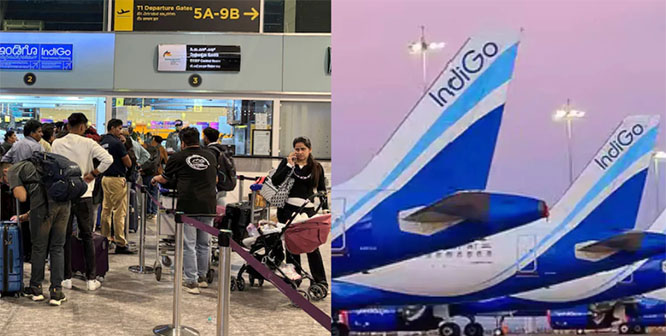
Angry outbursts, long queues, and desperate appeals filled airports across India today as IndiGo grappled with a severe operational breakdown. Hundreds of flights have been cancelled or delayed, leaving thousands of passengers stranded through the night and forcing many to spend long hours at helpdesks.

Social media was flooded with videos of fliers pleading for assistance, accusing the airline of misleading updates, and demanding accommodation after being stuck for 10 to 12 hours at airports such as Hyderabad and Bengaluru.

What Triggered the Meltdown?

IndiGo has attributed the widespread disruption to “a multitude of unforeseen operational challenges.” These include:

•    Minor technology glitches
•    Winter-season schedule adjustments
•    Bad weather
•    Congestion in the aviation network
•    New crew rostering rules (Flight Duty Time Limitations or FDTL)

Among these, the most disruptive has been the implementation of the updated FDTL norms introduced by the Directorate General of Civil Aviation (DGCA) in January 2024.

These rules were designed to reduce pilot fatigue and improve passenger safety. Key changes include:

•    Longer weekly rest periods for flight crew
•    A revised definition of “night,” extending it by an extra hour
•    Tighter caps on flight duty timing and night landings
•    Cutting night shifts for pilots and crew from six per roster cycle to just two

Once these norms became fully enforceable, airlines were required to overhaul rosters well in advance. For IndiGo, this triggered a sudden shortage of crew available for duty, leading to cascading delays and cancellations.

Why IndiGo Was Hit the Hardest

IndiGo is India’s largest airline by a wide margin, operating over 2,200 flights daily. That’s roughly double the number operated by Air India.

When an airline of this size experiences even a 10–20% disruption, it translates to 200–400 flights being delayed or grounded — producing massive spillover effects across the country.

IndiGo also relies heavily on high-frequency overnight operations, a model typical of low-cost carriers that aim to maximise aircraft utilisation and reduce downtime. The stricter FDTL norms clash with these overnight-heavy schedules, forcing the airline to pull back services.

Aviation bodies have also criticised IndiGo’s preparedness. The Airline Pilots' Association of India (ALPA) said airlines were given a two-year window to plan for the new rules but “started preparing rather late.” IndiGo, it said, failed to rebuild crew rosters 15 days in advance as required.

The Federation of Indian Pilots (FIP) went further, calling the crisis the result of IndiGo’s “prolonged and unorthodox lean manpower strategy,” and alleging that the airline adopted a hiring freeze even as it knew the new rules would require more careful staffing.

How Many Flights Are Affected?

In the past 48 hours, over 300 flights have been cancelled. At least 100 more are expected to be cancelled today.

City-wise impact:

•    Hyderabad: 33 expected cancellations; several fliers stranded overnight
•    Bengaluru: over 70 expected cancellations
•    Delhi, Mumbai, Chennai, Kolkata: widespread delays and missed connections

Passengers shared distressing accounts online.

One customer at Hyderabad airport said they waited from 6 PM to 9 AM with “no action taken” regarding their delayed Pune flight. Another said IndiGo repeatedly told them the crew was “arriving soon,” only for the delay to stretch over 12 hours.

IndiGo has apologised for the disruption and promised that operations will stabilise within 48 hours, adding that “calibrated adjustments” are being made to contain the chaos.

What Should Passengers Do Now?

For those flying in the next few days, especially with IndiGo, here are key precautions:

1. Keep Checking Flight Status
Monitor your flight closely before leaving for the airport, as delays may be announced last-minute.

2. Arrive Early
Expect long queues at counters and security due to crowding and rescheduling.

3. Carry Essentials
Pack snacks, water, basic medicines, chargers, and items for children or senior citizens. Extended waiting times should be anticipated.

4. Use Flexible Booking Options
If you booked tickets with a free-date-change or cancellation option, consider using them.
If you haven’t booked yet, prefer refundable or flexible fares, or even consider alternate airlines.

5. Follow IndiGo’s Updates
Keep an eye on IndiGo’s official social media channels and contact customer support for rebooking and refund queries.

What Needs to Change?

Pilot groups have raised concerns not just about staffing but also the planning practices behind it.
The Federation of Indian Pilots accused IndiGo of:

•    Imposing an unexplained hiring freeze despite knowing the FDTL changes were coming
•    Entering non-poaching agreements that limited talent movement
•    Keeping pilot pay frozen
•    Underestimating the need to restructure operations in advance

They have urged DGCA to approve seasonal schedules only after airlines prove they have adequate pilot strength under the new norms.

ALPA also warned that some airlines might be using the delays as an “immature pressure tactic” to push DGCA for relaxations in the new rules — which, if granted, could compromise the very safety standards the norms were meant to protect.

Both pilot bodies stressed that no exemption should dilute safety, and any deviations should be based solely on scientific risk assessment.

Is a Solution in Sight?

While IndiGo says normalcy will return within two days, aviation experts believe that fully stabilising operations could take longer, depending on how quickly the airline can:
•    Re-align rosters
•    Mobilise rested crew
•    Boost staffing
•    Adjust its winter schedule to match regulatory requirements
Passengers are advised to remain prepared for continued delays over the next few days as the airline works through its backlog. 

Comments

Add new comment

  • Coastaldigest.com reserves the right to delete or block any comments.
  • Coastaldigset.com is not responsible for its readers’ comments.
  • Comments that are abusive, incendiary or irrelevant are strictly prohibited.
  • Please use a genuine email ID and provide your name to avoid reject.
News Network
December 2,2025

A major upgrade in safety and monitoring is planned for Haj 2026, with every Indian pilgrim set to receive a Haj Suvidha smart wristband linked to the official Haj Suvidha mobile app. The initiative aims to support pilgrims—especially senior citizens—who may struggle with smartphones during the 45-day journey.

What the Smart Wristband Will Do

Officials said the device will come with:
•    Location tracking
•    Pedometer
•    SOS emergency button
•    Qibla compass
•    Prayer timings
•    Basic health monitoring

SP Tiwari, secretary of the UP State Haj Committee, said the goal is to make the pilgrimage safer and more comfortable.

“Most Hajis are elderly and not comfortable with mobile apps,” he said. “The smartwatch will help locate pilgrims who forget their way or cannot communicate their location.”

The wristbands will be monitored by the Consulate General of India in Saudi Arabia, similar to mobile tracking via the Haj Suvidha App.

Free Distribution and Training

•    Smart wristbands will be given free of cost.
•    Training for pilgrims will be conducted between January and February 2026.
•    Sample units will reach state Haj committees soon.
•    Final devices will be distributed as pilgrims begin their journey.

New Rules for Accommodation

Two major decisions have also been finalised for Haj 2026:
1.    Separate rooms for men and women – including married couples. They may stay on the same floor but must occupy different rooms, following stricter Saudi guidelines.
2.    Cooking banned – gas cylinders will not be allowed; all meals will be provided through official catering services arranged by the Haj Committee of India.

These decisions were finalised during a meeting of the Haj Committee of India and state representatives in Mumbai.

Haj Suvidha App Launched Earlier

The government launched the Haj Suvidha App in 2024, offering:

•    Training modules
•    Accommodation and flight details
•    Baggage information
•    SOS and translation tools
•    Grievance redressal

Haj 2026 Quota and Key States

•    India’s total Haj quota for 2026: 1,75,025 pilgrims
•    70% (1,25,000) allotted to the Haj Committee of India
•    30% (around 50,000) reserved for Haj Group Organisers

Uttar Pradesh has the largest allocation (around 30,000 seats), though approximately 18,000 pilgrims are expected to go this year. States with high pilgrim numbers include Kerala, Maharashtra and Gujarat.

Dates of Haj 2026

The pilgrimage is scheduled to take place from 24 May to 29 May, 2026 (tentative).
Haj is one of the five pillars of Islam and is mandatory for Muslims who meet the required conditions.

Comments

Add new comment

  • Coastaldigest.com reserves the right to delete or block any comments.
  • Coastaldigset.com is not responsible for its readers’ comments.
  • Comments that are abusive, incendiary or irrelevant are strictly prohibited.
  • Please use a genuine email ID and provide your name to avoid reject.
News Network
December 1,2025

hindutvaboy.jpg

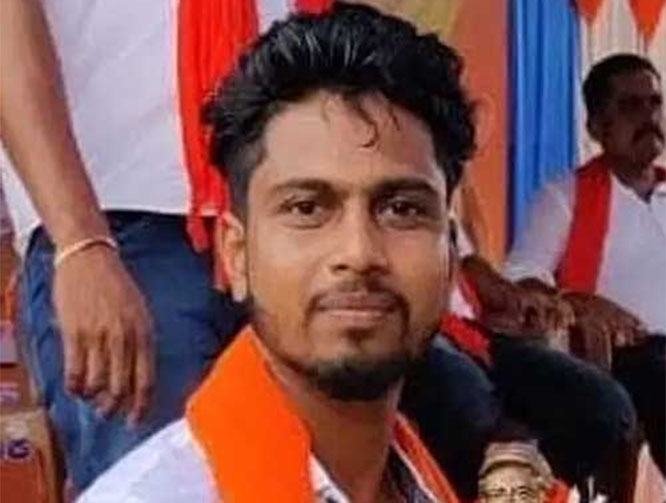
Udupi, Dec 1: A horrific case of alleged rape has unfolded in Udupi, where a worker from a Hindutva organisation, previously arrested and released on bail for harassing a young woman, is now accused of waylaying and sexually assaulting her.

The arrested individual has been identified as Pradeep Poojary (26), a member of the Hindu Jagarana Vedike's Nairkode unit in Perdur.

Poojary had allegedly been relentlessly harassing the young woman, pressuring her to marry him. When she bravely stood up to him and refused his demands, she filed a formal complaint at the Hiriyadka police station. He was subsequently arrested in that initial harassment case but was later granted bail.

According to police reports, driven by the same malicious grudge, Poojary allegedly intercepted the woman again on November 29. While she was walking through a deserted area, the accused is claimed to have threatened her by grabbing her neck. When she again refused to marry him, he allegedly proceeded to rape her.

The survivor immediately informed her family about the traumatic assault. Following this, her parents lodged a complaint at the Udupi women’s police station.

Police arrested Poojary again and produced him before the court. He has since been remanded to judicial custody.

Comments

Add new comment

  • Coastaldigest.com reserves the right to delete or block any comments.
  • Coastaldigset.com is not responsible for its readers’ comments.
  • Comments that are abusive, incendiary or irrelevant are strictly prohibited.
  • Please use a genuine email ID and provide your name to avoid reject.