



Coalition blames rebels for fuel shortage at Sanaa airport

Arab News
August 5, 2017

Riyadh, Aug 5: The coalition supporting legitimacy in Yemen is not responsible for the lack of fuel at Sanaa airport because the city is controlled by the Houthis and forces loyal to ousted president Ali Abdullah Saleh, coalition spokesman Col. Turki Al-Maliki said on Friday.
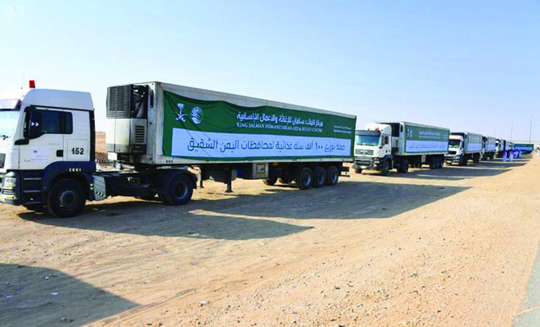
Al-Maliki was responding to media reports of the director of the UN Development Program in Yemen claiming that the coalition is hampering fuel supplies to UN humanitarian aircraft.

He said the coalition issues daily permits to allow the entry of fuel ships, basic materials and necessary supplies, as well as humanitarian and medical aid to all ports without exception, including Hodeidah, which is under Houthi control.

He added that the last authorization granted to the UN was on July 29, and included a permit to dispatch fuel convoys for aircraft from Aden to Sanaa airport.

The coalition can only grant ships entry to Yemeni ports that are not under rebel control, as entry is organized by a port’s controlling authority, Al-Maliki said.

The coalition does not target aid convoys or fuel tankers, and aid convoys are given special protection, he added.

The coalition is looking after seven ships carrying fuel that are authorized to enter Hodeidah port, but the Houthis are refusing to unload the cargo, Al-Maliki said.

This behavior confirms that the rebels are trying to hinder the arrival of basic and vital supplies, he added.

The rebels are using their control of some Yemeni ports to create a black market to raise more money for their military campaigns, in violation of international humanitarian law, he said.

Al-Maliki stressed the coalition’s keenness and efforts to meet the essential needs of the Yemeni people, and to deliver humanitarian aid to Yemeni ports, unlike the rebels.

Comments

Add new comment

  • Coastaldigest.com reserves the right to delete or block any comments.
  • Coastaldigset.com is not responsible for its readers’ comments.
  • Comments that are abusive, incendiary or irrelevant are strictly prohibited.
  • Please use a genuine email ID and provide your name to avoid reject.
News Network
November 24,2025

israelsyra.jpg

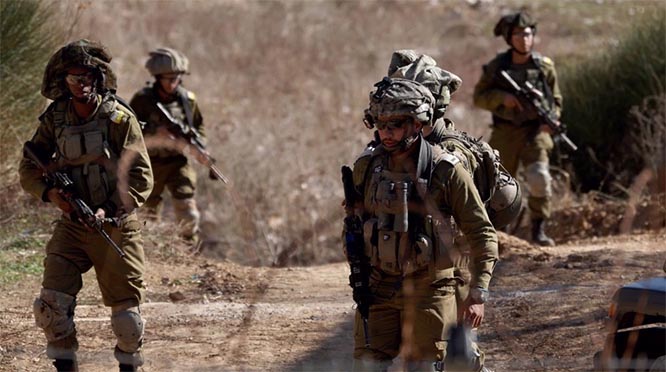
Israeli forces have pushed over the Syrian frontier, erecting a checkpoint and stopping vehicles in the southwestern city of Quneitra, in yet another breach of the Arab country’s sovereignty.

The violation took place on Sunday, when the troops made their way across the border, setting up the outpost near the Ain al-Bayda junction in northern Quneitra, Syrian outlets reported.

According to the al-Ikhbariya paper, an Israeli detachment positioned itself at the junction, halting cars and conducting searches.

The Syrian Arab News Agency (SANA) reported that three Israeli military vehicles then moved further into the northern countryside, deploying between the town of Jubata al-Khashab and the villages of Ofaniya and Ain al-Bayda. The agency added that a separate Israeli unit mounted a new incursion in the central region, approaching the villages of Umm Batina and al-Ajraf.

Residents said such activities have surged in recent months, pointing to Israeli advances onto farmland, leveling of extensive forested areas, arrests, and spread of mobile checkpoints.

The Israeli regime began markedly increasing its military aggression against Syria last year.

The escalation coincided with increasingly ferocious onslaughts throughout the country by the so-called Hay'at Tahrir al-Sham (HTS) Takfiri terrorist group, which the government of President Bashar al-Assad had confined to northwestern Syria. The HTS, however, managed to overthrow the government as the Israeli attacks would pummel the country’s civilian and defensive infrastructure.

Various reports have shown that, during the escalation, the regime conducted more than 1,000 airstrikes on the Syrian territory and over 400 ground raids into the south.

Following the collapse of the Assad government, Tel Aviv also widened its grip over the occupied Golan Heights by taking control of a demilitarized buffer zone, in defiance of a 1974 Disengagement Agreement. Earlier this month, senior Israeli officials, including Prime Minister Benjamin Netanyahu, visited the buffer zone, prompting expressions of alarm on the part of the United Nations.

The United States, the regime’s biggest ally, has, meanwhile, been fraternizing the HTS head Abu Mohammed al-Jolani amid the widely reported prospect of rapprochement with Tel Aviv.

Comments

Add new comment

  • Coastaldigest.com reserves the right to delete or block any comments.
  • Coastaldigset.com is not responsible for its readers’ comments.
  • Comments that are abusive, incendiary or irrelevant are strictly prohibited.
  • Please use a genuine email ID and provide your name to avoid reject.