Corpses wait in 20-hour queues for last rites at crematoriums in Delhi

News Network
April 27, 2021

New Delhi, Apr 27: Under the high tin roof, 50 funeral pyres burned fiercely on Tuesday, the hot air filled with smoke, fine ash and muted sobs of shell-shocked famlies.  

Nearby, lying unattended on the floor, and in scores of parked vehicles, more corpses awaited their turn, which relatives were told would come 16 to 20 hours later. 

Shaking Delhi's spirit and soul, an unimaginable tragedy is unfolding at New Delhi's crematoriums struggling to cope with the deluge of the dead arriving at frightening pace.  

"I have not seen such a bad situation ever before in my life. People are moving with the dead bodies of their loved ones from pillar to post ... almost all Delhi crematoriums are flooded with dead bodies," Vineeta Massey, the owner of Massey Funerals, told PTI.   

By official count, 3,601 people have died this month, of them 2,267 in the last seven days alone in the second wave of the Covid-19 pandemic which is terrorising and tormenting the city. In all of February, the death toll was 57, and in March 117. 

As if the trauma of losing a loved one to the virus so suddenly is not enough, there is more grief in store for relatives who are not even able to give them a proper send-off.

They arrive at crematoriums with bodies, only to be turned away. They drive to another facility, and yet another, traversing the city with the mortal remains in personal cars or ambulances, desperately seeking a graceful exit for their father, mother, son or daughter from the material world.

The trauma is no less for the relatives of those who died of non-Covid causes but are being swept up in the collective national tragedy driven by the pandemic.  

Aman Arora, a young entrepreneur from West Delhi's Ashok Nagar, lost his father M.L. Arora to a heart attack on Monday afternoon. 

"We rushed him to many private hospitals when he started feeling discomfort in his chest but he was not even checked by the medical staff there. They demanded that we produce a Covid-negative report. He eventually passed away," said Aman.  

On Monday afternoon, Aman was told by the staff in west Delhi’s Subhash Nagar crematorium to wait until Tuesday morning to perform the last rites.   

When Aman realised there was no point in pleading, he arranged for a refrigerator to prevent his father's dead body from decaying.  

"What could I have done when there was no space? We kept the body in a rented fridge and have come early today (Tuesday)," said Aman, waiting for his turn as many other people milled around silently with dead bodies lying on the floor.  

Outside, ambulances and  cars honked and competed for parking space but inside all one could hear was the crackling of dry wood from the burning pyres -- all 50 of them roaring simultaneously.  

A few sobs arose over the sound of the fires,  and one could hear the unemotional intonations of instructions being given by the crematorium staff.  

"Apna dead body uthao aur udhar line mein ja ke khade ho jao (Pick up your dead body and go stand in line)," said a young staffer.  

A woman in her 40s was so stunned she couldn't make out what was 'nabhi' (navel) or 'chhati' (chest) when a staff member asked her to place sandalwood sticks on the body of her father who had died of Covid.

The body was still packed in a white sack, which was placed on the pyre without opening.

Holding the sandalwood sticks in trembling hands, she moved around the body before being helped by someone.

"I didn't even see the face of my father," wailed the woman, who was alone.      

Manmeet Singh, a 40-year-old assistant professor, also carried his father Gurpal Singh's dead body in his car to the Subhash Nagar crematorium on Monday afternoon.

But the staff politely told him his father couldn't be cremated because the pyre chambers were already full and the CNG crematorium at the centre could only accommodate two bodies at one time.

It takes about 90 minutes to dispose of one body in a CNG chamber and a PTI correspondent counted 24 bodies waiting in queue for a slot.  

With no option left, Manmeet left for the MCD crematorium in Pashchim Vihar about six kilometres away and luckily got space with the help of an MCD inspector.

"If you can't provide oxygen to the patients in hospitals, then at least provide some space in the cremation ground so that people leave the world comfortably," said Manmeet.  

The ground at the crematorium was full of filth and covered with leftovers of the previous cremation. It was muddy and rotten fruits were scattered all over. Plastic bags, sacks, buckets, mugs littered the ground. But none of that mattered to the relatives. What mattered was enough space to light  a pyre.

According to rules, said a senior official at the Delhi Health Department, if somebody dies of Covid-19 in hospital, the district administration has to arrange a hearse van, and the hospital is supposed to deploy staff for the disposal of the dead body at the crematorium and graveyard.

But the crush of the dead has made it impossible for hospitals to provide hearses. So relatives are simply taking the bodies in their vehicles. 

"If family members move with the body of their loved ones in their personal vehicles, there are chances of being infected," another government official said.   

Ajeet, a staff member at the MCD crematorium, told PTI they have created more than 100 extra makeshift chambers in an adjacent space to accommodate the increasing number of dead people -- both Covid-19 and natural deaths.  

"I can't move my arms, I am dead tired. The whole day we arrange for cremation and then in the night we have to take care of the pyres, so that the fire consumes the bodies properly," said Ajeet.

The chaos at the crematoriums has raised questions about the Delhi government's preparedness for the second wave, which Chief Minister Arvind Kerjriwal said, had left the healthcare system on the brink of collapse. Many deaths have also been attributed to a severe oxygen shortage for the last 10 days.  

The fixing of responsibility will happen later.

But for now, "this is the time for us to build solidarity and enough compassion for the poor people fighting the pandemic," said Harsh Mander, a former IAS bureaucrat who is now a civil rights activist. 

"The wealthy and the influential thought that they have an escape route to all this but this pandemic told us that we are all in this together," he said.

Comments

Add new comment

  • Coastaldigest.com reserves the right to delete or block any comments.
  • Coastaldigset.com is not responsible for its readers’ comments.
  • Comments that are abusive, incendiary or irrelevant are strictly prohibited.
  • Please use a genuine email ID and provide your name to avoid reject.
News Network
December 4,2025

indigocrisis.jpg

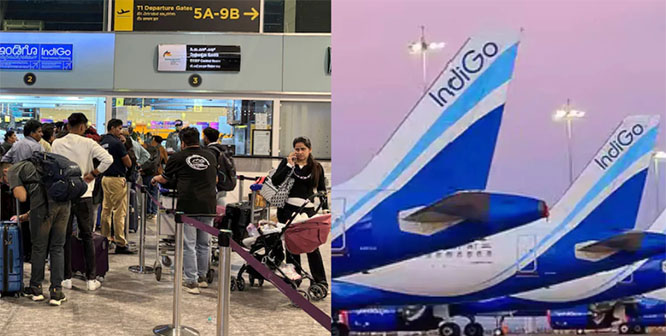
Angry outbursts, long queues, and desperate appeals filled airports across India today as IndiGo grappled with a severe operational breakdown. Hundreds of flights have been cancelled or delayed, leaving thousands of passengers stranded through the night and forcing many to spend long hours at helpdesks.

Social media was flooded with videos of fliers pleading for assistance, accusing the airline of misleading updates, and demanding accommodation after being stuck for 10 to 12 hours at airports such as Hyderabad and Bengaluru.

What Triggered the Meltdown?

IndiGo has attributed the widespread disruption to “a multitude of unforeseen operational challenges.” These include:

•    Minor technology glitches
•    Winter-season schedule adjustments
•    Bad weather
•    Congestion in the aviation network
•    New crew rostering rules (Flight Duty Time Limitations or FDTL)

Among these, the most disruptive has been the implementation of the updated FDTL norms introduced by the Directorate General of Civil Aviation (DGCA) in January 2024.

These rules were designed to reduce pilot fatigue and improve passenger safety. Key changes include:

•    Longer weekly rest periods for flight crew
•    A revised definition of “night,” extending it by an extra hour
•    Tighter caps on flight duty timing and night landings
•    Cutting night shifts for pilots and crew from six per roster cycle to just two

Once these norms became fully enforceable, airlines were required to overhaul rosters well in advance. For IndiGo, this triggered a sudden shortage of crew available for duty, leading to cascading delays and cancellations.

Why IndiGo Was Hit the Hardest

IndiGo is India’s largest airline by a wide margin, operating over 2,200 flights daily. That’s roughly double the number operated by Air India.

When an airline of this size experiences even a 10–20% disruption, it translates to 200–400 flights being delayed or grounded — producing massive spillover effects across the country.

IndiGo also relies heavily on high-frequency overnight operations, a model typical of low-cost carriers that aim to maximise aircraft utilisation and reduce downtime. The stricter FDTL norms clash with these overnight-heavy schedules, forcing the airline to pull back services.

Aviation bodies have also criticised IndiGo’s preparedness. The Airline Pilots' Association of India (ALPA) said airlines were given a two-year window to plan for the new rules but “started preparing rather late.” IndiGo, it said, failed to rebuild crew rosters 15 days in advance as required.

The Federation of Indian Pilots (FIP) went further, calling the crisis the result of IndiGo’s “prolonged and unorthodox lean manpower strategy,” and alleging that the airline adopted a hiring freeze even as it knew the new rules would require more careful staffing.

How Many Flights Are Affected?

In the past 48 hours, over 300 flights have been cancelled. At least 100 more are expected to be cancelled today.

City-wise impact:

•    Hyderabad: 33 expected cancellations; several fliers stranded overnight
•    Bengaluru: over 70 expected cancellations
•    Delhi, Mumbai, Chennai, Kolkata: widespread delays and missed connections

Passengers shared distressing accounts online.

One customer at Hyderabad airport said they waited from 6 PM to 9 AM with “no action taken” regarding their delayed Pune flight. Another said IndiGo repeatedly told them the crew was “arriving soon,” only for the delay to stretch over 12 hours.

IndiGo has apologised for the disruption and promised that operations will stabilise within 48 hours, adding that “calibrated adjustments” are being made to contain the chaos.

What Should Passengers Do Now?

For those flying in the next few days, especially with IndiGo, here are key precautions:

1. Keep Checking Flight Status
Monitor your flight closely before leaving for the airport, as delays may be announced last-minute.

2. Arrive Early
Expect long queues at counters and security due to crowding and rescheduling.

3. Carry Essentials
Pack snacks, water, basic medicines, chargers, and items for children or senior citizens. Extended waiting times should be anticipated.

4. Use Flexible Booking Options
If you booked tickets with a free-date-change or cancellation option, consider using them.
If you haven’t booked yet, prefer refundable or flexible fares, or even consider alternate airlines.

5. Follow IndiGo’s Updates
Keep an eye on IndiGo’s official social media channels and contact customer support for rebooking and refund queries.

What Needs to Change?

Pilot groups have raised concerns not just about staffing but also the planning practices behind it.
The Federation of Indian Pilots accused IndiGo of:

•    Imposing an unexplained hiring freeze despite knowing the FDTL changes were coming
•    Entering non-poaching agreements that limited talent movement
•    Keeping pilot pay frozen
•    Underestimating the need to restructure operations in advance

They have urged DGCA to approve seasonal schedules only after airlines prove they have adequate pilot strength under the new norms.

ALPA also warned that some airlines might be using the delays as an “immature pressure tactic” to push DGCA for relaxations in the new rules — which, if granted, could compromise the very safety standards the norms were meant to protect.

Both pilot bodies stressed that no exemption should dilute safety, and any deviations should be based solely on scientific risk assessment.

Is a Solution in Sight?

While IndiGo says normalcy will return within two days, aviation experts believe that fully stabilising operations could take longer, depending on how quickly the airline can:
•    Re-align rosters
•    Mobilise rested crew
•    Boost staffing
•    Adjust its winter schedule to match regulatory requirements
Passengers are advised to remain prepared for continued delays over the next few days as the airline works through its backlog. 

Comments

Add new comment

  • Coastaldigest.com reserves the right to delete or block any comments.
  • Coastaldigset.com is not responsible for its readers’ comments.
  • Comments that are abusive, incendiary or irrelevant are strictly prohibited.
  • Please use a genuine email ID and provide your name to avoid reject.
News Network
December 2,2025

A major upgrade in safety and monitoring is planned for Haj 2026, with every Indian pilgrim set to receive a Haj Suvidha smart wristband linked to the official Haj Suvidha mobile app. The initiative aims to support pilgrims—especially senior citizens—who may struggle with smartphones during the 45-day journey.

What the Smart Wristband Will Do

Officials said the device will come with:
•    Location tracking
•    Pedometer
•    SOS emergency button
•    Qibla compass
•    Prayer timings
•    Basic health monitoring

SP Tiwari, secretary of the UP State Haj Committee, said the goal is to make the pilgrimage safer and more comfortable.

“Most Hajis are elderly and not comfortable with mobile apps,” he said. “The smartwatch will help locate pilgrims who forget their way or cannot communicate their location.”

The wristbands will be monitored by the Consulate General of India in Saudi Arabia, similar to mobile tracking via the Haj Suvidha App.

Free Distribution and Training

•    Smart wristbands will be given free of cost.
•    Training for pilgrims will be conducted between January and February 2026.
•    Sample units will reach state Haj committees soon.
•    Final devices will be distributed as pilgrims begin their journey.

New Rules for Accommodation

Two major decisions have also been finalised for Haj 2026:
1.    Separate rooms for men and women – including married couples. They may stay on the same floor but must occupy different rooms, following stricter Saudi guidelines.
2.    Cooking banned – gas cylinders will not be allowed; all meals will be provided through official catering services arranged by the Haj Committee of India.

These decisions were finalised during a meeting of the Haj Committee of India and state representatives in Mumbai.

Haj Suvidha App Launched Earlier

The government launched the Haj Suvidha App in 2024, offering:

•    Training modules
•    Accommodation and flight details
•    Baggage information
•    SOS and translation tools
•    Grievance redressal

Haj 2026 Quota and Key States

•    India’s total Haj quota for 2026: 1,75,025 pilgrims
•    70% (1,25,000) allotted to the Haj Committee of India
•    30% (around 50,000) reserved for Haj Group Organisers

Uttar Pradesh has the largest allocation (around 30,000 seats), though approximately 18,000 pilgrims are expected to go this year. States with high pilgrim numbers include Kerala, Maharashtra and Gujarat.

Dates of Haj 2026

The pilgrimage is scheduled to take place from 24 May to 29 May, 2026 (tentative).
Haj is one of the five pillars of Islam and is mandatory for Muslims who meet the required conditions.

Comments

Add new comment

  • Coastaldigest.com reserves the right to delete or block any comments.
  • Coastaldigset.com is not responsible for its readers’ comments.
  • Comments that are abusive, incendiary or irrelevant are strictly prohibited.
  • Please use a genuine email ID and provide your name to avoid reject.
coastaldigest.com news network
December 2,2025

karkala.jpg

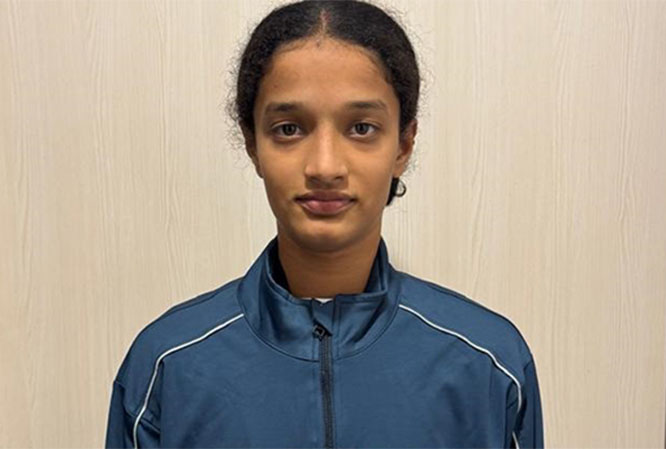
Udupi, Dec 2: A wave of regional pride is sweeping through Udupi district as Shagun S Verma Hegde, a talented Class 9 student from Christ King English Medium High School, Karkala, has been named the captain of the Indian National Team for the Under-15 Girls’ Volleyball Championship.

Shagun holds the unique distinction of being the sole player from Karnataka selected to represent the country in the prestigious international tournament. The championship, organized by the School Games Federation, is scheduled to take place in Shangluo, China, from December 3 to 13, where Shagun will lead the national squad.

A Remarkable Journey to the Top

Shagun’s selection is a testament to her dedication and exceptional skill on the court. Her journey included several rigorous rounds of selection:

•    She was the only player from Udupi district to qualify for the state-level selection camp.

•    Out of eight players from Karnataka who advanced to the national selection camp in Pune, Maharashtra, Shagun was the only one to secure a place in the final national squad.

•    The national camp saw participation from approximately 200 players, which was shortlisted to 23. Shagun not only made the final cut but was also ranked as the second-best player overall, solidifying her leadership role.

Shagun, who is the daughter of Sandesh Verma and Shruthiraj of Kallotte, Karkala, has trained under experienced coaches Santosh D’Souza, Jeevan D’Silva, Jairaj Poojary, and Ramesh. Her selection as the team captain has brought profound honour to her family, school, the Udupi district, and the entire state of Karnataka.

Comments

Add new comment

  • Coastaldigest.com reserves the right to delete or block any comments.
  • Coastaldigset.com is not responsible for its readers’ comments.
  • Comments that are abusive, incendiary or irrelevant are strictly prohibited.
  • Please use a genuine email ID and provide your name to avoid reject.