Freedom fighter and activist H S Doreswamy, 103, passes away in Bengaluru

News Network
May 26, 2021

doreswamy.jpg

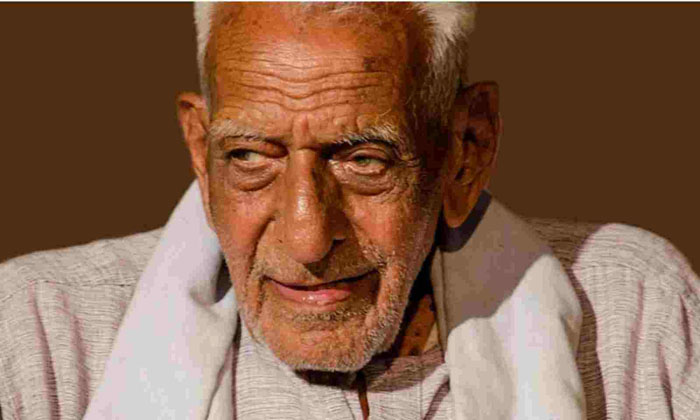
Bengeluru, May 26: Freedom fighter and activist HS Doreswamy, who was 103 years old, passed away in Bengaluru on Wednesday. He had recovered from COVID-19 on May 12 but was hospitalised at the Jayadeva Hospital in the city again, where he passed away after a cardiac arrest. 

CN Manjunath, the cardiologist at Jayadeva Hospital said, “He had heart failure and a cardiac arrest and passed away today (Wednesday) around 1.30 pm.”

The doctor said that he had a pre-existing valvular heart disease for the last 10 years and that he was admitted to Jayadeva Hospital multiple times in this period. He tested positive for the novel coronavirus earlier this month. “This could be a precipitating factor since he tested positive and was hospitalised till May 12. He was readmitted to the hospital on May 14,” Dr. CN Manjunath added. 

Born on April 10, 1918, in the village of Harohalli, in the erstwhile Kingdom of Mysore, Harohalli Srinivasaiah Doreswamy was brought up by his grandfather, after his parents passed away at the age of five. He joined the freedom struggle at a young age — from planting small scale time bombs in postboxes and in the record rooms of British government officials to burn documents, to organising protests and general strikes in the state of Mysore against the British rule — and actively participated in the freedom struggle including the Quit India movement. He was jailed for 14 months from 1943 to 1944. The Gandhian had also participated in the Mysore Chalo movement to compel the Mysore Maharaja to accede to the Indian State post-independence.

With a Bachelor of Science from the Central College, Bengaluru, Doreswamy was a teacher at a high school and later tried his hand at journalism by bringing out a newspaper called ‘Pauravani.’ Post Independence, in the 1950s, Doreswamy became a part of the Bhoodan movement and also began to fight for the unification of Karnataka. He was actively involved in the Jayaprakash Narayan movement against the Emergency. During the 1980s, he fought for the rights of farmers and other marginalised communities. He was also part of the India Against Corruption movement. Age did not diminish Doreswamy’s spirit, as he stayed active until his final days. He took part in various agitations until the COVID-19 pandemic broke out. In February 2020, at the age of 102, HS Doreswamy sat on a five-day protest in Bengaluru against the Citizenship Amendment Act (CAA).

Doreswamy ran the publication house Sahitya Mandira and an Indian newspaper ‘Pauravani’ during the British Raj and the period afterwards. 

“I was 23-years-old when I was arrested. I had just got a new job as a teacher in a high school then. I started working in June but by then, the Quit India Movement had begun. I helped organise a 14-day strike at the mills across Mysore state and also blew up government record rooms and postboxes with very small time-bombs. Our intention was to disrupt the British government’s daily functioning. By December, I was arrested, and I lost my job as well,” Doreswamy had told Hindustan Times’s Arun Dev in February.

Over the decades, Doreswamy has been a constant figure at various civil rights struggles in Karnataka. He was involved in a number of agitations and committees working against the encroachment of water bodies and dumping of garbage near impoverished areas in and outside Bengaluru. In October 2014, he led an anti-encroachment protest in Bengaluru, demanding the implementation of the Land Grabbing Prohibition Act, 2007 by the state government. He was also involved in agitations against the eviction of adivasis from their tribal lands in Kodagu district.

He had also been one of the prominent figures in the protests against the Citizenship Amendment Act and the NRC. Before the pandemic began, he had vowed to hold a protest every month against CAA and NRC.

A huge controversy had broken out in February 2020 after Doreswamy attended a protest event called ‘Save the Constitution’. An enraged BJP MLA had accused the freedom fighter of acting like a Pakistani agent. "There are many fake freedom fighters. There is one in Bengaluru. Now we have to say what Doreswamy is. Where is that old man? He behaves like a Pakistan agent," BJP MLA from Vijayapura Basanagouda Patil Yatnal had said. Though the issue reached the Karnataka Assembly and snowballed into a huge controversy, Yatnal refused to apologise.

In February 2021, following the detention and arrest of the climate activist Disha Ravi from Bengaluru, Doreswamy shared a message of support for the young activist and asked her “to stay strong”.

Comments

Add new comment

  • Coastaldigest.com reserves the right to delete or block any comments.
  • Coastaldigset.com is not responsible for its readers’ comments.
  • Comments that are abusive, incendiary or irrelevant are strictly prohibited.
  • Please use a genuine email ID and provide your name to avoid reject.
News Network
February 3,2026

Bengaluru: Following reports of fresh Nipah virus (NiV) cases in West Bengal and heightened vigilance across parts of Southeast Asia, the Karnataka Health Department has placed the state on high alert and activated emergency preparedness protocols.

Health officials said enhanced surveillance measures have been initiated after two healthcare workers in Barasat, West Bengal, tested positive for the virus earlier this month. While no cases have been reported in Karnataka so far, authorities said the state’s past exposure to Nipah outbreaks and high inter-state mobility warranted preventive action.

Officials have directed district health teams to intensify monitoring, particularly at hospitals and points of entry, and to ensure early detection and isolation of suspected cases.

High Mortality Virus with Multiple Transmission Routes

Nipah virus is a zoonotic disease that can spread from animals to humans and has a reported fatality rate ranging between 60 and 75 per cent. Fruit bats, also known as flying foxes, are the natural reservoirs of the virus and can transmit it by contaminating food sources with saliva or urine.

Known modes of transmission include:

•    Contaminated food: Consumption of fruits partially eaten by bats or raw date-palm sap
•    Animal contact: Exposure to infected pigs or other animals
•    Human-to-human transmission: Close contact with body fluids of infected persons, particularly in healthcare settings

Symptoms and Disease Progression

The incubation period typically ranges from 4 to 14 days, though delayed onset has also been reported. Early symptoms often resemble common viral infections, making prompt clinical suspicion critical.

•    Initial symptoms: Fever, headache, body aches, fatigue, sore throat
•    Progressive symptoms: Drowsiness, disorientation, altered mental state
•    Severe stage: Seizures, neck stiffness and acute encephalitis, which can rapidly progress to coma

Public Health Advisory

The Health Department has issued precautionary guidelines urging the public to adopt risk-avoidance practices to prevent any local spillover.

Do’s
•    Wash fruits thoroughly before consumption
•    Drink boiled and cooled water
•    Use protective equipment while handling livestock
•    Maintain strict hand hygiene

Don’ts
•    Avoid fruits found on the ground or showing bite marks
•    Do not consume beverages made from raw tree sap, including toddy
•    Avoid areas with dense bat populations
•    Do not handle sick or dead animals

Preparedness Measures

Officials confirmed that isolation wards are being readied in major government hospitals and that medical staff are being sensitised to identify early warning signs.

“There is no cause for panic, but there is a need for heightened vigilance,” a senior health official said, adding that there is currently no approved vaccine or specific antiviral treatment for Nipah, and care remains largely supportive.

Comments

Add new comment

  • Coastaldigest.com reserves the right to delete or block any comments.
  • Coastaldigset.com is not responsible for its readers’ comments.
  • Comments that are abusive, incendiary or irrelevant are strictly prohibited.
  • Please use a genuine email ID and provide your name to avoid reject.
News Network
February 3,2026

Kanchur2.jpg

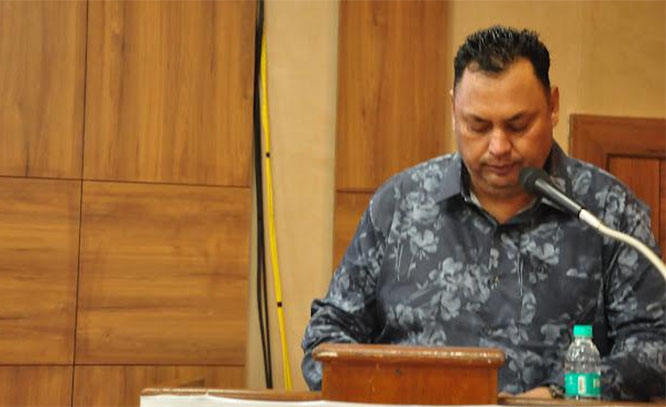
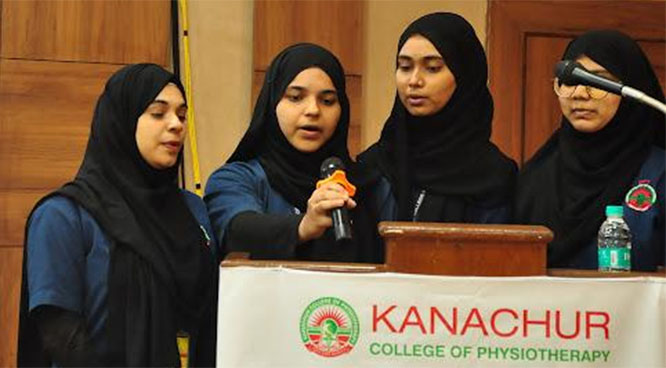
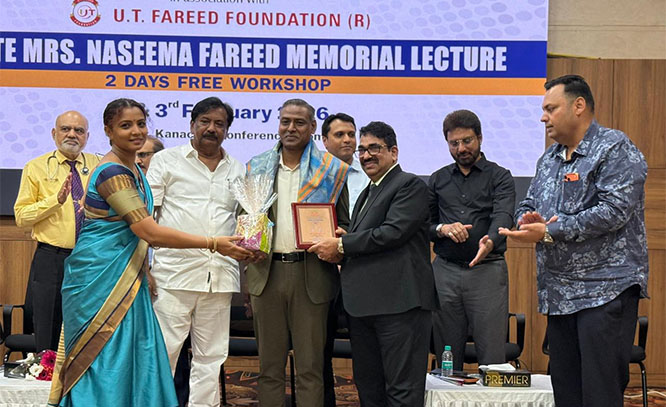
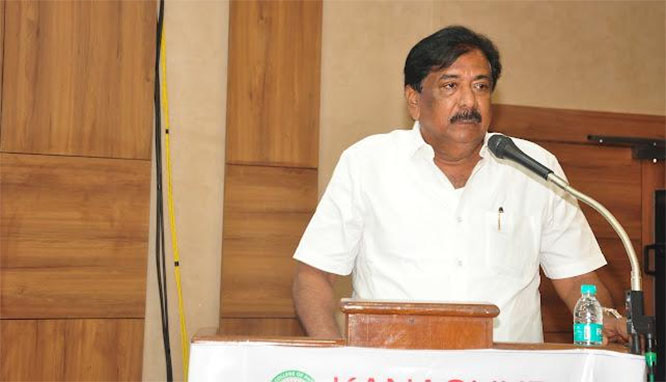
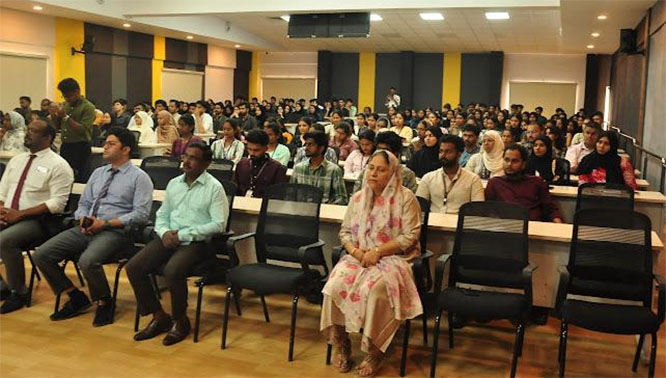
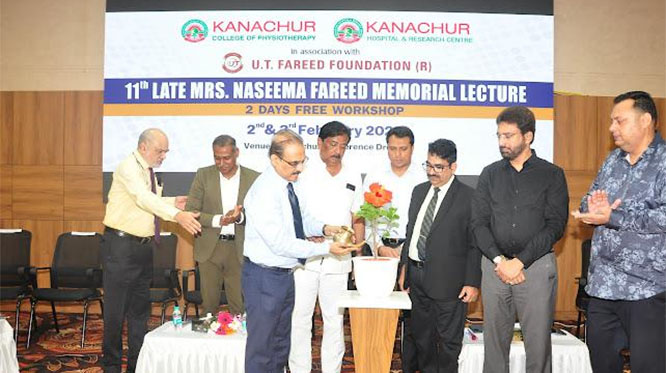
Mangaluru, Feb 3: Kanachur College of Physiotherapy and Kanachur Hospital & Research Centre, in association with U.T. Fareed Foundation (R), organised the 11th Late Mrs. Naseema Fareed Memorial Lecture on Tuesday.

The programme was inaugurated by Dr. Subramanyam K, Head of the Department and Professor, Department of Cardiology, Srinivas Institute of Medical Sciences & Research Centre, Mangaluru. In his inaugural address, Dr. Subramanyam delivered an insightful talk highlighting the vital role of physiotherapy in modern medical care, particularly in cardiac rehabilitation, patient recovery, and improving overall quality of life through a multidisciplinary healthcare approach.

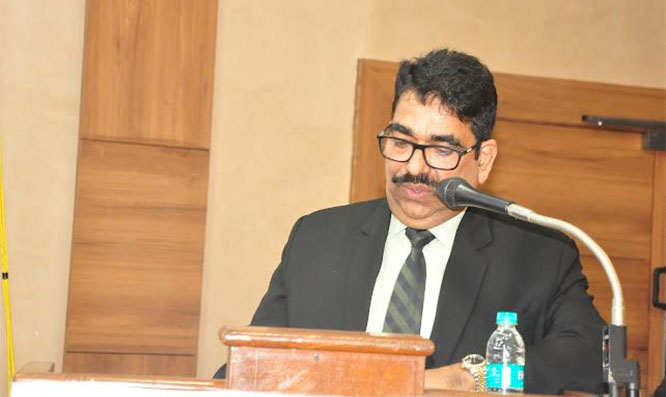
The presidential address was delivered by Dr. Haji U.K. Monu, Chairman, KIET. The keynote address was presented by Dr. Mohammed Ismail Hejamady, who spoke on the evolving scope and significance of physiotherapy.

The event was held in the presence of Mr. Abdul Rahiman, Director, Kanachur Institute of Medical Sciences, Mangaluru; Dr. Vaishali Sreejith, Senate Member, Rajiv Gandhi University of Health Sciences, Bengaluru; Dr. Sudhan S.G., Professor and Principal, Krupanidhi College of Physiotherapy, Bengaluru; Dr. Shanavaz Manipady, Dean, Kanachur Institute of Medical Sciences, Mangaluru; and Dr. Venkat Rai Prabhu, Member, Kanachur Health Science Advisory Council, Kanachur Hospital & Research Centre.

Dr. Mohammad Suhail, Dean, Kanachur College of Physiotherapy, welcomed the guests and delegates.

As part of the programme, a two-day free workshop was organised on the following topics:

•    Art of Practice in Cardiopulmonary Conditions by Dr. Sudhan S.G., Principal, Krupanidhi College of Physiotherapy

•    The Gift of Life – Organ Donation by Dr. Rohan Monis, Chief Administrative Medical Officer

•    Chest X-ray Interpretation by Dr. Hemanth, Department of Radiology, KIMS

•    Pulmonary Rehabilitation by Dr. Vijaya Kumar, Department of Respiratory Medicine, KIMS

Organisers noted that the memorial lecture series has been conducted continuously for the 11th year, benefiting interns and postgraduate students from various colleges across Mangaluru. A total of 130 delegates attended the workshop.

Dr. Reshma, Vice Principal, Kanachur College of Physiotherapy, Mangaluru, delivered the vote of thanks.

Kanchur7.jpg

Kanchur6.jpg

Kanchur5.jpg

Kanchur4.jpg

Kanchur3.jpg

Kanchur1.jpg

Comments

Add new comment

  • Coastaldigest.com reserves the right to delete or block any comments.
  • Coastaldigset.com is not responsible for its readers’ comments.
  • Comments that are abusive, incendiary or irrelevant are strictly prohibited.
  • Please use a genuine email ID and provide your name to avoid reject.
News Network
February 3,2026

Bengaluru: Following reports of fresh Nipah virus (NiV) cases in West Bengal and heightened vigilance across parts of Southeast Asia, the Karnataka Health Department has placed the state on high alert and activated emergency preparedness protocols.

Health officials said enhanced surveillance measures have been initiated after two healthcare workers in Barasat, West Bengal, tested positive for the virus earlier this month. While no cases have been reported in Karnataka so far, authorities said the state’s past exposure to Nipah outbreaks and high inter-state mobility warranted preventive action.

Officials have directed district health teams to intensify monitoring, particularly at hospitals and points of entry, and to ensure early detection and isolation of suspected cases.

High Mortality Virus with Multiple Transmission Routes

Nipah virus is a zoonotic disease that can spread from animals to humans and has a reported fatality rate ranging between 60 and 75 per cent. Fruit bats, also known as flying foxes, are the natural reservoirs of the virus and can transmit it by contaminating food sources with saliva or urine.

Known modes of transmission include:

•    Contaminated food: Consumption of fruits partially eaten by bats or raw date-palm sap
•    Animal contact: Exposure to infected pigs or other animals
•    Human-to-human transmission: Close contact with body fluids of infected persons, particularly in healthcare settings

Symptoms and Disease Progression

The incubation period typically ranges from 4 to 14 days, though delayed onset has also been reported. Early symptoms often resemble common viral infections, making prompt clinical suspicion critical.

•    Initial symptoms: Fever, headache, body aches, fatigue, sore throat
•    Progressive symptoms: Drowsiness, disorientation, altered mental state
•    Severe stage: Seizures, neck stiffness and acute encephalitis, which can rapidly progress to coma

Public Health Advisory

The Health Department has issued precautionary guidelines urging the public to adopt risk-avoidance practices to prevent any local spillover.

Do’s
•    Wash fruits thoroughly before consumption
•    Drink boiled and cooled water
•    Use protective equipment while handling livestock
•    Maintain strict hand hygiene

Don’ts
•    Avoid fruits found on the ground or showing bite marks
•    Do not consume beverages made from raw tree sap, including toddy
•    Avoid areas with dense bat populations
•    Do not handle sick or dead animals

Preparedness Measures

Officials confirmed that isolation wards are being readied in major government hospitals and that medical staff are being sensitised to identify early warning signs.

“There is no cause for panic, but there is a need for heightened vigilance,” a senior health official said, adding that there is currently no approved vaccine or specific antiviral treatment for Nipah, and care remains largely supportive.

Comments

Add new comment

  • Coastaldigest.com reserves the right to delete or block any comments.
  • Coastaldigset.com is not responsible for its readers’ comments.
  • Comments that are abusive, incendiary or irrelevant are strictly prohibited.
  • Please use a genuine email ID and provide your name to avoid reject.