



Petrol price cut: Cabinet minister asks for 'bold step' to check petrol prices

June 3, 2012

vayalar

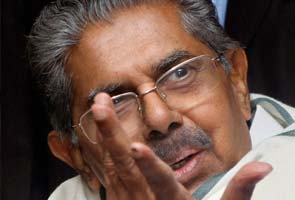
New Delhi, June 3: Union Minister Vayalar Ravi disapproved of the petrol price hike on Saturday, and suggested a "bold may be taken to reduce the recent increase". The state-run oil companies have announced a reduction of Rs. 2 per litre in petrol prices on Saturday, which became effective from midnight, after increasing the price by Rs.7.50 per litre On May 23.

Minister for Overseas Affairs Mr Ravi, in a letter to Petroleum Minister S Jaipal Reddy, questioned the claims of oil marketing companies that they are incurring huge losses and asked his cabinet colleague to scrutinise the issue in detail. (Read: Vaylar Ravi's letter to Petroleum Minister Jaipal Reddy)

"Apparently, the claim made by oil companies that they are running at a loss seems to be untrue. As a matter of fact, the expenditure of oil companies, including salaries, is among the highest in India and there is a perception that funds are being wasted," Mr Ravi said in the letter.

"In this backdrop, I feel a closer scrutiny is needed before deciding on any further increase in oil prices. Instead, a bold look may be taken at reducing the recent hike," he said.

He is the second Union Minister after Defence Minister A K Antony to have expressed unhappiness at the petrol price increase. Mr Antony had on Wednesday criticised the hike saying it was "not a correct step" and the oil companies should have shown some "propriety" before taking the decision.

Cutting across party lines, leaders have voiced their dissent over the recent petrol price hike. Nationwide protests by Opposition as well as some of the UPA allies, followed by NDA's strike on May 31 clearly put pressure on the government to act.

Even after the announcement, key UPA allies and the Opposition are not happy with the reduction in petrol prices by the state-run oil companies. Dubbing the Rs. two per litre cut in price as 'token', UPA ally Trinamool Congress as well as other opposition parties demanded a 'complete rollback' and said they would not settle for anything less.

Reacting to the state-run oil companies to reduce petrol price, Trinamool Congress chief and West Bengal Chief Minister Mamata Banerjee said, "I am not happy at the cut in petrol price by Rs. two per litre. It is not enough. It is still a burden on the common man. There should have been a total rollback of the hike."

Terming the reduction in prices as 'totally inadequate', CPI National Secretary D Raja also demanded the oil companies should go for a 'complete rollback' because they had effected "such an outrageously steep hike when international crude prices were declining".

Maintaining that the government's view that it did not have any role in the price fixation for petrol due to de-regulation was 'ridiculous', Mr Raja said the oil companies have been following the government diktats regularly. "Otherwise, why did they not raise the prices when Parliament was in session," said Mr Raja. He said the decision came two days after nationwide protests by Left and other parties.

CPI(M) Politbureau said the partial rollback was "unacceptable" and Left parties will continue their agitation for reversal of the price increase.

BJP spokesperson Rajiv Pratap Rudy also pressed for a 'total rollback' and wondered whether the hike of Rs. 6 per litre after the partial rollback was 'acceptable' to the UPA allies. "I want to know whether they (UPA allies) are worth this," Mr Rudy said. He said people of the country are not satisfied with the token rollback and will teach the UPA a "lesson in the coming days".

Tamil Nadu Chief Minister Jayalalithaa termed the partial rollback as an "eyewash" and demanded a complete rollback. In a statement, the AIADMK supremo said, "This small reduction will not soothe people's anger. It will continue to be a burden on poor and middle class".

She said the decision by the Congress-led UPA to reduce the hike by Rs. two reminded her of the Tamil proverb, "feeding popcorns to the hungry elephant." Recalling her earlier criticism, Ms Jayalalithaa said petrol prices were hiked, when people were already burdened by the price rise because of the Centre's "wrong economic policies."

Odisha Chief Minister Naveen Patnaik too dismissed the partial rollback as 'meaningless'. Mr Patnaik said, "We demand complete roll-back in the hike effected in the price of petrol by the central government recently."

BJD had observed a state-wide bandh on May 31 seeking complete roll-back of petrol price hike and party workers had hit the streets to press for the demand. Mr Patnaik too had participated in the demonstrations against the petrol price hike terming it as a burden on the common people.

However, leaders in Congress have heaved a sigh of relief after drawing flak from allies as well the Opposition over the steep hike in petrol prices earlier. "We are happy that the price of petrol has been reduced by Rs. 2.02 per litre. It will give relief to the common man. Our party has great concern for Aam Admi," party spokesperson Rashid Alvi said.

Comments

Add new comment

  • Coastaldigest.com reserves the right to delete or block any comments.
  • Coastaldigset.com is not responsible for its readers’ comments.
  • Comments that are abusive, incendiary or irrelevant are strictly prohibited.
  • Please use a genuine email ID and provide your name to avoid reject.
News Network
December 4,2025

indigocrisis.jpg

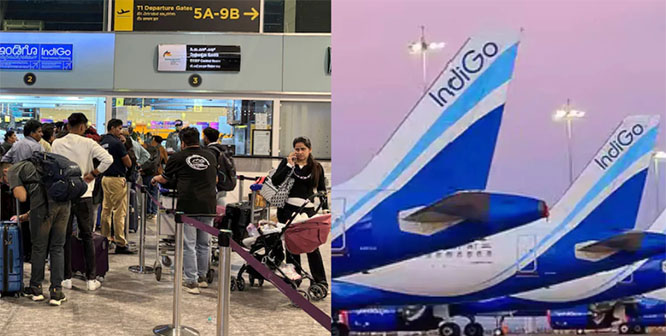
Angry outbursts, long queues, and desperate appeals filled airports across India today as IndiGo grappled with a severe operational breakdown. Hundreds of flights have been cancelled or delayed, leaving thousands of passengers stranded through the night and forcing many to spend long hours at helpdesks.

Social media was flooded with videos of fliers pleading for assistance, accusing the airline of misleading updates, and demanding accommodation after being stuck for 10 to 12 hours at airports such as Hyderabad and Bengaluru.

What Triggered the Meltdown?

IndiGo has attributed the widespread disruption to “a multitude of unforeseen operational challenges.” These include:

•    Minor technology glitches
•    Winter-season schedule adjustments
•    Bad weather
•    Congestion in the aviation network
•    New crew rostering rules (Flight Duty Time Limitations or FDTL)

Among these, the most disruptive has been the implementation of the updated FDTL norms introduced by the Directorate General of Civil Aviation (DGCA) in January 2024.

These rules were designed to reduce pilot fatigue and improve passenger safety. Key changes include:

•    Longer weekly rest periods for flight crew
•    A revised definition of “night,” extending it by an extra hour
•    Tighter caps on flight duty timing and night landings
•    Cutting night shifts for pilots and crew from six per roster cycle to just two

Once these norms became fully enforceable, airlines were required to overhaul rosters well in advance. For IndiGo, this triggered a sudden shortage of crew available for duty, leading to cascading delays and cancellations.

Why IndiGo Was Hit the Hardest

IndiGo is India’s largest airline by a wide margin, operating over 2,200 flights daily. That’s roughly double the number operated by Air India.

When an airline of this size experiences even a 10–20% disruption, it translates to 200–400 flights being delayed or grounded — producing massive spillover effects across the country.

IndiGo also relies heavily on high-frequency overnight operations, a model typical of low-cost carriers that aim to maximise aircraft utilisation and reduce downtime. The stricter FDTL norms clash with these overnight-heavy schedules, forcing the airline to pull back services.

Aviation bodies have also criticised IndiGo’s preparedness. The Airline Pilots' Association of India (ALPA) said airlines were given a two-year window to plan for the new rules but “started preparing rather late.” IndiGo, it said, failed to rebuild crew rosters 15 days in advance as required.

The Federation of Indian Pilots (FIP) went further, calling the crisis the result of IndiGo’s “prolonged and unorthodox lean manpower strategy,” and alleging that the airline adopted a hiring freeze even as it knew the new rules would require more careful staffing.

How Many Flights Are Affected?

In the past 48 hours, over 300 flights have been cancelled. At least 100 more are expected to be cancelled today.

City-wise impact:

•    Hyderabad: 33 expected cancellations; several fliers stranded overnight
•    Bengaluru: over 70 expected cancellations
•    Delhi, Mumbai, Chennai, Kolkata: widespread delays and missed connections

Passengers shared distressing accounts online.

One customer at Hyderabad airport said they waited from 6 PM to 9 AM with “no action taken” regarding their delayed Pune flight. Another said IndiGo repeatedly told them the crew was “arriving soon,” only for the delay to stretch over 12 hours.

IndiGo has apologised for the disruption and promised that operations will stabilise within 48 hours, adding that “calibrated adjustments” are being made to contain the chaos.

What Should Passengers Do Now?

For those flying in the next few days, especially with IndiGo, here are key precautions:

1. Keep Checking Flight Status
Monitor your flight closely before leaving for the airport, as delays may be announced last-minute.

2. Arrive Early
Expect long queues at counters and security due to crowding and rescheduling.

3. Carry Essentials
Pack snacks, water, basic medicines, chargers, and items for children or senior citizens. Extended waiting times should be anticipated.

4. Use Flexible Booking Options
If you booked tickets with a free-date-change or cancellation option, consider using them.
If you haven’t booked yet, prefer refundable or flexible fares, or even consider alternate airlines.

5. Follow IndiGo’s Updates
Keep an eye on IndiGo’s official social media channels and contact customer support for rebooking and refund queries.

What Needs to Change?

Pilot groups have raised concerns not just about staffing but also the planning practices behind it.
The Federation of Indian Pilots accused IndiGo of:

•    Imposing an unexplained hiring freeze despite knowing the FDTL changes were coming
•    Entering non-poaching agreements that limited talent movement
•    Keeping pilot pay frozen
•    Underestimating the need to restructure operations in advance

They have urged DGCA to approve seasonal schedules only after airlines prove they have adequate pilot strength under the new norms.

ALPA also warned that some airlines might be using the delays as an “immature pressure tactic” to push DGCA for relaxations in the new rules — which, if granted, could compromise the very safety standards the norms were meant to protect.

Both pilot bodies stressed that no exemption should dilute safety, and any deviations should be based solely on scientific risk assessment.

Is a Solution in Sight?

While IndiGo says normalcy will return within two days, aviation experts believe that fully stabilising operations could take longer, depending on how quickly the airline can:
•    Re-align rosters
•    Mobilise rested crew
•    Boost staffing
•    Adjust its winter schedule to match regulatory requirements
Passengers are advised to remain prepared for continued delays over the next few days as the airline works through its backlog. 

Comments

Add new comment

  • Coastaldigest.com reserves the right to delete or block any comments.
  • Coastaldigset.com is not responsible for its readers’ comments.
  • Comments that are abusive, incendiary or irrelevant are strictly prohibited.
  • Please use a genuine email ID and provide your name to avoid reject.