



Mumbai, Feb 14: The Reserve Bank of India’s (RBI) decision to tighten norms for resolution of stressed loans, currently estimated at over Rs10 trillion, will improve recovery prospects from bad loans but keep banks’ provisioning requirement at an elevated level, analysts said.
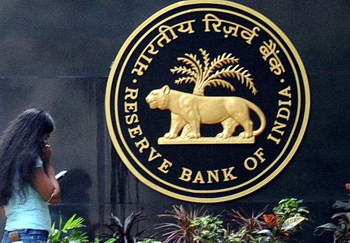
Late on Monday, the central bank withdrew a host of norms such as strategic debt restructuring (SDR) and scheme for sustainable structuring of stressed assets (S4A) among others, and made the process time-bound. The new rules stipulate that starting 1 March, lenders must implement a resolution plan within 180 days for accounts of at least Rs2,000 crore.
“To begin with, lenders will have to start finalizing and implementing resolution plans for cases where restructuring has been done. The fact that most cases remain in stress despite restructuring under various RBI schemes means that there is a high probability that most of these could be referred for (insolvency) proceedings,” said Udit Kariwala, senior analyst, financial institutions at India Ratings. “To that extent, provisioning cost will increase.”
He added that as per the rating agency’s analysis, at the end of September, large banks—six each from private and public sectors—are sitting on a restructured loan pool (including SDR and another scheme called 5/25) of around Rs1.9 trillion.
Accounts from highly leveraged thermal power and capital goods sectors are at high risk of landing in bankruptcy courts.
However, Krishnan Sitaraman, senior director at Crisil Ratings, said the circular in itself may not lead to materially higher provisioning on an aggregate basis, since banks are already steadily increasing their provisioning levels on bad loans owing to the resolution processes under way.
Public sector banks on an aggregate basis are looking to enhance provision coverage levels from 40-45% to 55-60%, he said.
Banks must kept aside at least 50% in the form of provision for accounts referred to bankruptcy court.
Currently, lenders are finalizing resolution plans for 11 of the 12 accounts in RBI’s first defaulter list referred to bankruptcy court. They are also filing insolvency petitions for some of the 28 accounts which were part of central bank’s second defaulter list.
Analysts said the revised rules - which, for instance, call for credit rating agencies to evaluate resolution plans will make the process of restructuring more transparent, enable lenders to get better market-linked pricing for the underlying asset, and sync bank balance sheets with expected loss from the stressed asset pool.
Still, there are some grey areas, others said.
For instance, it is not clear how lenders would work out a proposal which involves interest rate reductions or other sacrifices without a framework in place, said Manish Aggarwal, partner and head resolutions, special situations group, KPMG.
Crisil’s Sitaram said that in the long term, the new rules will improve recovery rates because the failure in meeting timeline will lead to insolvency proceedings, which has to be completed in a maximum of 270 days.
“In the past, we have the average recovery period in corporate NPA accounts extending to 4-5 years. Reduction in the recovery period will lead to higher certainty of outcome for lenders as well as preserve value better,” he said.
With the revised norms mandating an account must no longer be in default after the implementation of a resolution plan, there will be an improvement in the quality of such plans and both the debtors and lenders will have more skin in the game, according to analysts.
As per new RBI norms, in case the resolution plan involves change in the ownership structure of the defaulting firm, the account should not be in default at any point during the specified period, which is the time between implementation of the plan and the date, where up to 20% of the outstanding principal debt is repaid. If there is a default in the specified period, the account must be referred for IBC proceedings.
“With the new norms in place, there is possibility that the promoters will try to defend their assets by bringing the amount and safeguarding their assets from insolvency and bankruptcy code reference. That probability is increasing is what I feel,” said R. Subramaniakumar managing director and chief executive officer at Indian Overseas Bank.


Comments
Add new comment