Toyota stops expansion plans in India, blames high tax regime

Agencies
September 15, 2020

toyota.jpg

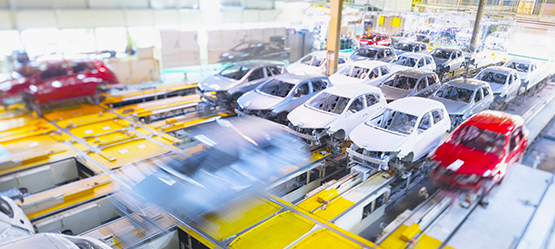
Mumbai, Sept 15: Toyota Motor Corp. won’t expand further in India due to the country’s high tax regime, a blow for Prime Minister Narendra Modi, who’s trying to lure global companies to offset the deep economic malaise brought on by the coronavirus pandemic.

The government keeps taxes on cars and motorbikes so high that companies find it hard to build scale, said Shekar Viswanathan, vice chairman of Toyota’s local unit, Toyota Kirloskar Motor. The high levies also put owning a car out of reach of many consumers, meaning factories are idled and jobs aren’t created, he said.

“The message we are getting, after we have come here and invested money, is that we don’t want you,” Viswanathan said in an interview. In the absence of any reforms, “we won’t exit India, but we won’t scale up.”

Toyota, one of the world’s biggest carmakers, began operating in India in 1997. Its local unit is owned 89% by the Japanese company and has a small market share -- just 2.6% in August versus almost 5% a year earlier, Federation of Automobile Dealers Associations data show.

In India, motor vehicles including cars, two-wheelers and sports utility vehicles (although not electric vehicles), attract taxes as high as 28%. On top of that there can be additional levies, ranging from 1% to as much as 22%, based on a car’s type, length or engine size. The tax on a four-meter long SUV with an engine capacity of more than 1500 cc works out to be as high as 50%.

Ford, GM Out

The additional levies are typically imposed on what are considered to be “luxury” goods. As well as cars, in India that can include cigarettes and sparkling water.

India is planning to offer incentives worth $23 billion to attract firms to set up manufacturing, people familiar with the matter said last week, including production-linked breaks for automakers. International automakers have struggled to expand in the world’s fourth-biggest car market.

General Motors Co. quit the country in 2017 while Ford Motor Co. agreed last year to move most of its assets in India into a joint venture with Mahindra & Mahindra Ltd. after struggling for more than two decades to win over buyers. That effectively ended independent operations in a country Ford had once said it wanted to be one of its top three markets by 2020.

Such punitive taxes discourage foreign investment, erode automakers’ margins and make the cost of launching new products “prohibitive,” Viswanathan said.

“You’d think the auto sector is making drugs or liquor,” he said. Toyota, which also has an alliance with Suzuki Motor Corp. to sell some of Suzuki’s compact cars under its own brand, is currently utilizing just about 20% of its capacity in a second plant in India.

Automobile sales in India were weathering a slump before the coronavirus pandemic, with at least half a million jobs lost.

Taxes on electric vehicles, currently 5%, will probably also go up once sales increase, Viswanathan said, referring to what he says has become a pattern with successive governments in India.

While discussions are ongoing between ministries for a reduction in taxes, there may not any immediate agreement on an actual cut, India’s Heavy Industries Minister Prakash Javadekar said earlier this month.

A finance ministry spokesman didn’t immediately respond to messages seeking comment.

EV Challenge

Automobile sales in India were weathering a slump before the coronavirus pandemic, with at least half a million jobs lost. A lobby group has predicted it may take as many as four years for sales to return to levels seen before the slowdown.

The biggest players are the local units of Suzuki and Hyundai Motor Co., which have cornered the market for compact, affordable cars. Maruti Suzuki India Ltd. and Hyundai Motor India Ltd. have a combined share of almost 70%.

Toyota in India has largely pivoted toward hybrid vehicles, which attract taxes of as much as 43% because they aren’t purely electric.

But in a nation where few can even afford a car, let alone a more environmentally friendly one, EVs or their hybrid cousins have yet to gain much acceptance. Elon Musk, the billionaire founder of Tesla Inc., has said import duties would make his vehicles unaffordable in India.


“Market India always has to precede Factory India, and this is something the politicians and bureaucrats don’t understand,” Viswanathan said. Modi’s much-touted Make in India is another program aimed at attracting foreign companies.


India needs to have demand for a product before asking firms to set up shop, yet “at the slightest sign of a product doing well, they slap it with a higher and higher tax rate,” he said.

Comments

Add new comment

  • Coastaldigest.com reserves the right to delete or block any comments.
  • Coastaldigset.com is not responsible for its readers’ comments.
  • Comments that are abusive, incendiary or irrelevant are strictly prohibited.
  • Please use a genuine email ID and provide your name to avoid reject.
News Network
November 29,2025

DKSsiddu.jpg

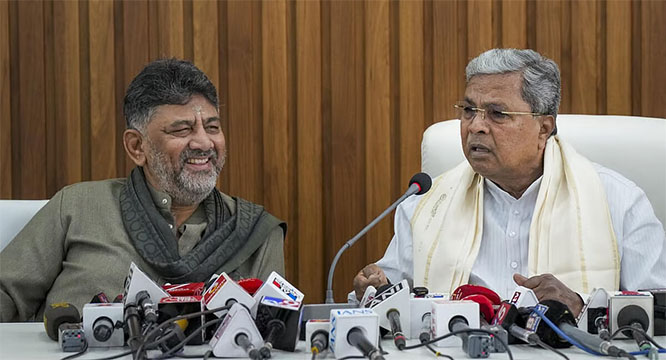
New Delhi: Karnataka chief minister Siddaramaiah and deputy CM DK Shivakumar on Saturday put up a dramatic display of unity at a closely watched joint press briefing, firmly dismissing weeks of speculation about a power-sharing tussle within the Congress. With the high command nudging both leaders to sit together and settle the dust, the meeting became a political spectacle, ending with the duo declaring that there was “no confusion, no differences.”

Calling the reports of a rift “manufactured confusion,” Siddaramaiah said the talks had gone smoothly, even joking about their breakfast. “Breakfast was very good. All three of us enjoyed it,” he said. “We want to end this confusion once and for all. For local elections and for 2028, our mission is clear — Congress must return to power. There is no difference between me and DKS, not now, not before.”

He blamed the media for fuelling rumours and reiterated absolute adherence to the party leadership. “From tomorrow, let there be no confusion. What the high command says, we will follow.”

Siddaramaiah also assured that the Assembly session starting December 8 would run smoothly and vowed that Congress would take on the BJP and JD(S) “together.”

Shivakumar echoed the chief minister word for word, stressing loyalty and discipline. “People have given us a massive mandate. It is our duty to deliver,” he said. “This government was formed under Siddaramaiah’s leadership. We both have complete trust in the high command. If they tell me to wait, I will wait.”

He added that the two leaders had discussed strategy for the 2028 Assembly elections. “Whatever the CM says, I agree. We are loyal soldiers of the party. The party may be facing challenges nationally, but we will keep it strong in Karnataka.”

Shivakumar also said Siddaramaiah would soon visit his home for lunch or dinner — another symbolic gesture meant to underline their unity.

Both leaders later posted on social media describing the breakfast meeting as “productive” and focused on “Karnataka’s priorities.”

The BJP, however, rejected the show of camaraderie as “pure bunkum,” accusing Congress of trying to paper over an internal power struggle. But Siddaramaiah and Shivakumar insisted their united front would continue — and that there was “no confusion” within the state leadership.

Comments

Add new comment

  • Coastaldigest.com reserves the right to delete or block any comments.
  • Coastaldigset.com is not responsible for its readers’ comments.
  • Comments that are abusive, incendiary or irrelevant are strictly prohibited.
  • Please use a genuine email ID and provide your name to avoid reject.
Business Desk
November 21,2025

warehouse.jpg

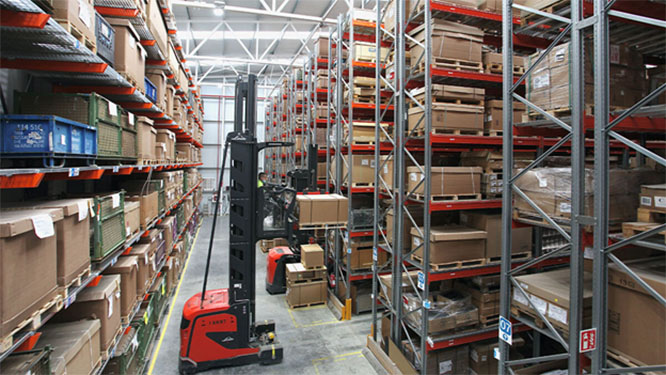
Warehouses handle a wide range of goods every day. Each product type needs the right handling and the right system. This is why racking and storage decisions shape warehouse design and performance. The nature of the load determines how goods are received, checked, moved, and stored. It also influences order picking and dispatch. When the team understands the load type, they can plan efficient operations. Better planning helps reduce waste and improve safety. Modern systems utilise automation and engineered layouts to facilitate faster and more efficient movement of goods.

What is a Unit Load?

A unit load is a group of products placed on a stable support. The support can be a pallet, box or container. The aim is to reduce handling time. It allows goods to move as a single group. This keeps storage simple and protects the products.

Types of Load by Recording Method:

General Load

These goods need individual packaging. Some units can be moved one at a time. Others are grouped on pallets or in containers. Their quantity is recorded as units.

Bulk Load

Bulk loads do not use small packaging. They move directly inside tanks, silos or special containers. Liquids and gases fall into this group. They are measured by mass and volume.

Types of Load by Volume:

Small Loads

These goods are light and easy to hold. Items like food packs or small cartons belong here.

Medium Loads

These weigh up to 10 kg. They are still easy to handle by hand. Both small and medium loads fit well in picking systems. Long-span shelving and carton flow racks are suitable for these loads. These systems offer easy access and steady movement.

Large or Pallet Loads

These goods need pallets for support. Forklifts or stackers handle them. They are suitable for selective pallet racks, double-deep racks, shuttle racks, and other high-density storage systems. The choice depends on access needs and available warehouse space.

Bulky Loads

These goods are large and hard to stack. Appliances and steel beams fall into this group. Cantilever racking is ideal for such items.

Special Size Loads

These loads are extremely large and heavy. They need special transport and support vehicles.

Types of Load by Weight:

●    Light loads under 5 kg
●    Medium loads between 5 and 25 kg
●    Heavy loads between 25 kg and one tonne
●    Very heavy loads above one tonne

Each weight category needs a suitable handling plan. Safety becomes more important as weight increases.

Types of Load by Useful Life:

Perishable Loads

These products have expiry dates. They need fast movement. Stock rotation is important. Cold storage and controlled environments protect these goods.

Non-Perishable Loads

These items do not depend on expiry dates. They allow flexible storage and handling.

Types of Load by Resistance:

Resistant Loads

These goods can support weight on top. They allow stacking.

Light Loads

These can be stacked with limits. They need clear rules to avoid damage.

Fragile Loads

These loads need gentle handling. They cannot be stacked. They must be stored on shelves that offer individual support.

Types of Load by Dangerous Property:

Dangerous goods need special rules. They include gases, explosives, flammable liquids and corrosive substances. Each class requires a safe storage plan. Racks must allow ventilation, stability and easy access for trained staff.

Types of Load by Batch

Some products move as single units. Others move in packs with many units. Batch size depends on the product type.

Choosing the Right Storage Method

Load type controls the layout and equipment used. A well-designed warehouse creates a smooth workflow. This reduces time and cost.

Storage for Small and Medium Loads

Shelving systems give direct access. Carton flow racks work well for fast-moving goods. They reduce walking time and save effort.

Storage for Pallet Loads

Selective pallet racking offers direct access. It suits operations with many item types. Drive-in and shuttle racks are ideal for bulk storage. They save space and increase density. Very narrow aisle racks maximise height with guided trucks.

Storage for Bulky and Special Loads

Cantilever racking is designed to hold long and heavy items. It keeps aisles clear. Large loads need cranes or special lifting tools.

Storage for Mixed Loads

A flexible system helps when goods vary in size. Many warehouses utilise a mix of pallet racking, shelving and automated zones.

Using Multi-Level Solutions

Large warehouses often use a mezzanine floor to increase space. This converts unused height into new storage areas. It supports light loads, picking zones and packing stations.

Role of Smart Systems and Automation

Automation improves speed and safety. It also reduces damage. Some systems use sensors to monitor movement. Others manage inventory with high accuracy. A crane-based Automated Storage and Retrieval System (ASRS) support smooth pallet handling. It reduces manual work and improves order accuracy. Automated systems protect fragile loads and reduce forklift traffic.

Why Load Identification Matters

Knowing the load type helps avoid damage. It also helps in planning safe movement. With correct information, the team can plan for forklifts, conveyors and racks. This reduces risks and improves output.

Conclusion

Every warehouse handles a unique mix of loads. Each type requires the right plan, the right support, and the right movement method. Reliable racking and storage systems protect goods and increase efficiency. They also help teams manage work safely. When storage aligns with product needs, operations run smoothly. Leading companies like the Godrej Enterprises Group offer solutions for a variety of loads. From crane-based pallet ASRS to cantilever racks, these solutions help businesses stay ready for the future. A smart warehouse grows with the business and creates more usable space through simple, well-planned design.

Comments

Add new comment

  • Coastaldigest.com reserves the right to delete or block any comments.
  • Coastaldigset.com is not responsible for its readers’ comments.
  • Comments that are abusive, incendiary or irrelevant are strictly prohibited.
  • Please use a genuine email ID and provide your name to avoid reject.
News Network
November 26,2025

Mangaluru, Nov 26: Mangaluru East police have registered a case following a sophisticated online fraud where a 57-year-old local resident was allegedly cheated out of ₹13.4 lakh after being targeted on Facebook.

The scam began in February when the complainant, while browsing Facebook reels, was contacted by a woman identifying herself as "Lillian Mary George" from London. After establishing a chat relationship, the woman claimed she would visit India in November and bring a significant sum of money.

The trap was sprung on November 15, when the victim received a call from a woman named "Sonali Gupta," who claimed Lillian had arrived at Mumbai International Airport but was detained by customs. The fraudsters convinced the man that Lillian was carrying £25,000 (about ₹26 lakh) in traveller’s cheques and 1 kg of gold (valued at around ₹30 lakh).

Under the pretense of clearing these items, the victim was asked to make numerous online transfers between November 15 and 18 for various bogus charges, including:

•    "Pounds exchange registration"
•    "Customs declaration issues"
•    "Discount charges"
•    "Money-laundering charges"

Believing the fictitious story, the complainant transferred the cumulative sum of ₹13.4 lakh to various bank accounts provided by the fraudsters. He realised he was cheated when the culprits later promised a refund within two days but stopped answering his calls. The Mangaluru East police are now investigating the case, which highlights the continuing threat of transnational cyber fraud using social engineering and promises of fictitious wealth.

Comments

Add new comment

  • Coastaldigest.com reserves the right to delete or block any comments.
  • Coastaldigset.com is not responsible for its readers’ comments.
  • Comments that are abusive, incendiary or irrelevant are strictly prohibited.
  • Please use a genuine email ID and provide your name to avoid reject.