



Mysore, Sep 27: Based on the technology developed by the Central Food Technological Research Institute (CFTRI), a co-operative association expects to market'neera' (alcohol-free toddy) across the globe
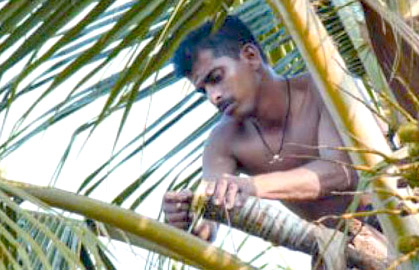
PCPCL chairman Vinodkumar P said the company was forming federations of farmers in various villages in Kerala and coastal Karnataka so that farmers can extract neera and send it for processing. Large-scale processing of the drink was possible due to the technology developed by the CFTRI.
œWhile a neera processing unit is operational at Thumbe in Dakshina Kannada district, another unit will also be operational soon, he said.
PCPCL, which currently processes about 5,000 litres of neera every day at its Thumbe unit, can increase the production capacity to one lakh litres per day by the end of the fiscal year, said Vinodkumar.
Distinguishing between neera and toddy, he said toddy was fermented neera with alcohol content. Neera, however, was healthy and contained essential nutrients.
œIndonesia is the largest producer of neera in the world. With the growth in processing of neera, the income of farmers who supply the drink to the processing units increased by fourteen fold. A large number of farmers have decided to switch from copra cultivation to extraction of neera, he said.
Satish Kumar from PCPCL said only 10 per cent of the coconut trees of any farmer would be used for extraction of neera. œNeera can be extracted only six months in a year. That can generate an income of up to Rs three lakh per year for a farmer who has coconut trees in about two acres of land, he said. While farmers can get Rs 30 per litre of neera, labourers can get Rs 25 per litre, he said.
Launch
Vinodkumar said the sale of bottled neera will be launched in Mangalore from October. The health drink will be available in 200ml bottles at Rs 25. A litre will cost Rs 125.
œAfter Kerala and coastal Karnataka, we are planning to sell processed neera in Arab nations. This will benefit farmers from the coastal areas where coconut is one of the major cash crops, he added.

Comments
Add new comment