



DGCA mulls allowing airlines to charge for check in baggage

June 27, 2015

New Delhi, Jun 27: Aviation regulator DGCA is likely to take a call shortly on allowing domestic airlines to charge for check in baggage while providing incentives for passengers who travel light.
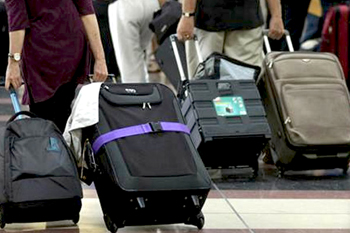
DGCA mulls
The Directorate General of Civil Aviation (DGCA) has recently received proposals in this regard from as many as three low-cost carriers.

A senior DGCA official said SpiceJet, Indigo and AirAsia approached the regulator with the idea of 'zero baggage fare', whereby passengers having no check in luggage would be given a discount on the ticket.

However, other airlines, including full-service carriers, are also in favour of 'zero baggage fare'.

Such a system would do away with the current practice of passengers being allowed to carry up to 15 kilogram of check in luggage free of cost. That would also mean that travellers would soon have to pay for every kilogram of check in luggage.

In April this year, DGCA had allowed domestic carriers to unbundle their services and charge separately for facilities such as preferred seats, meals on board and use of lounge.

The 'zero baggage fare' plan, part of efforts to unbundle the services offered by airlines, is being examined by DGCA and a decision is expected soon. In this regard, the regulator has gathered the views from all domestic airlines, the official added.

According to the official, "since there are some gaps" in the responses provided by certain carriers, the regulator has sought more clarifications from them.

Before implementing the plan of 'zero baggage fare', various nitty gritty, including on when to give the discount to the passenger having no check in luggage, need to be sorted out.

"We want to have a uniform system for all airlines before deciding on when and how to implement the proposal," the official said.


Comments

Add new comment

  • Coastaldigest.com reserves the right to delete or block any comments.
  • Coastaldigset.com is not responsible for its readers’ comments.
  • Comments that are abusive, incendiary or irrelevant are strictly prohibited.
  • Please use a genuine email ID and provide your name to avoid reject.
News Network
December 16,2025

bengal.jpg

The deletion of over 58 lakh names from West Bengal’s draft electoral rolls following a Special Intensive Revision (SIR) has sparked widespread concern and is likely to deepen political tensions in the poll-bound state.

According to the Election Commission, the revision exercise has identified 24 lakh voters as deceased, 19 lakh as relocated, 12 lakh as missing, and 1.3 lakh as duplicate entries. The draft list, published after the completion of the first phase of SIR, aims to remove errors and duplication from the electoral rolls.

However, the scale of deletions has raised fears that a large number of eligible voters may have been wrongly excluded. The Election Commission has said that individuals whose names are missing can file objections and seek corrections. The final voter list is scheduled to be published in February next year, after which the Assembly election announcement is expected. Notably, the last Special Intensive Revision in Bengal was conducted in 2002.

The development has intensified the political row over the SIR process. Chief Minister Mamata Banerjee and her Trinamool Congress have strongly opposed the exercise, accusing the Centre and the Election Commission of attempting to disenfranchise lakhs of voters ahead of the elections.

Addressing a rally in Krishnanagar earlier this month, Banerjee urged people to protest if their names were removed from the voter list, alleging intimidation during elections and warning of serious consequences if voting rights were taken away.

The BJP, meanwhile, has defended the revision and accused the Trinamool Congress of politicising the issue to protect what it claims is an illegal voter base. Leader of the Opposition Suvendu Adhikari alleged that the ruling party fears losing power due to the removal of deceased, fake, and illegal voters.

The controversy comes amid earlier allegations by the Trinamool Congress that excessive work pressure during the SIR led to the deaths by suicide of some Booth Level Officers (BLOs), for which the party blamed the Election Commission. With the draft list now out, another round of political confrontation appears imminent.

As objections begin to be filed, the focus will be on whether the correction mechanism is accessible, transparent, and timely—critical factors in ensuring that no eligible voter is denied their democratic right ahead of a crucial election.

Comments

Add new comment

  • Coastaldigest.com reserves the right to delete or block any comments.
  • Coastaldigset.com is not responsible for its readers’ comments.
  • Comments that are abusive, incendiary or irrelevant are strictly prohibited.
  • Please use a genuine email ID and provide your name to avoid reject.