



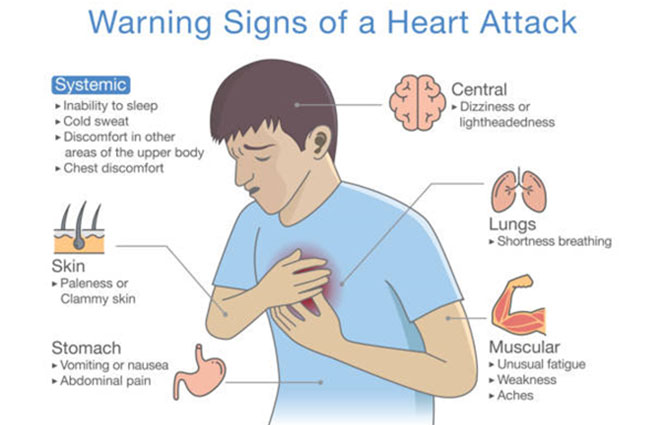
Heart disease is among the world's most prevalent causes of death. The earlier a person recognizes the warning signs and receives timely treatment, the better the chances of survival. One group of medications that plays a key part in the treatment of heart-related problems is beta-blockers. Beta-blockers control blood pressure, stabilize heartbeat, and lower the heart's workload. This article discusses what beta-blockers are, how they operate, when they are used, and what initial symptoms of the heart you never should ignore.
What Are Beta-Blockers?
Beta-blockers are medications that inhibit the action of the hormone epinephrine (also called adrenaline). In this way, they reduce the heartbeat and the heart's oxygen demand. These properties make beta-blockers useful in treating a variety of heart conditions, such as:
● High blood pressure (hypertension)
● Chest pain (angina)
● Heart rhythm disorders (arrhythmias)
● Heart failure
● Following a heart attack to avoid future heart complications
Beta-blockers are also prescribed for conditions such as migraines, anxiety, and some kinds of Alzheimer's tremors. For conditions like these, doctors may suggest seloken xl 25 tablet as part of the treatment plan.
How Do Beta-Blockers Work?
The human body contains two primary types of beta receptors: beta-1 (primarily in the heart) and beta-2 (located in the lungs and elsewhere). This selective action:
● Decreases the heart rate
● Decreases blood pressure
● Decreases the strength of heart contractions
● Prevents irregular heartbeat
This helps the heart function better and reduces the chances of complications like heart attacks and strokes.
Early Indications of Cardiac Conditions That You Cannot Overlook
It is possible to significantly enhance the outcome of therapy by catching heart issues early. These are the most important warning signs to pay attention to:
1. Pain or discomfort in the chest
One of the most traditional symptoms of cardiac disease is this one. It can be pressure, squeezing, heaviness, or burning in the chest. In some cases, the pain spreads to the arms, neck, jaw, or back.
If the pain comes on with exercise and gets better with rest, it may be angina.
If it's bad and doesn't go away, it can be a heart attack and needs emergency care.
2. Shortness of Breath
Being unusually short of breath for doing everyday activities such as walking or going up stairs can mean that the heart is not pumping properly. This is usually a sign of coronary artery disease or heart failure.
3. Fatigue or Weakness
Persistent fatigue or weakness, particularly after light effort, may be a pre-symptom of a heart issue. It implies the muscles and body aren't receiving adequate oxygenated blood.
4. Abnormal Heartbeat (Arrhythmia)
If you notice your heart missing a beat, beating too quickly (tachycardia), or too slowly (bradycardia), it may indicate an abnormal heart rhythm disorder. Certain arrhythmias may lead to an increased risk of heart failure or stroke.
5. Swelling in the Legs, Ankles, or Feet
Fluid build-up is caused by heart failure in the lower body. This results in swelling, or edema, and is often followed by weight gain.
6. Lightheadedness or Dizziness
Low blood pressure or weak heart function can result in dizziness, particularly when standing up rapidly. Sometimes it can result in fainting spells.
7. Persistent Cough or Wheezing
In individuals with heart failure, fluid may build up in the lungs, leading to a persistent cough or wheezing, which is worst when lying down.
8. Nausea, Sweating, and Indigestion
Heart attacks can have faint symptoms such as nausea, cold sweats, indigestion, or upper abdominal discomfort, especially in women.
Risk Factors for Heart Disease
A number of factors enhance your risk of heart diseases. These include:
● High blood pressure
● High cholesterol
● Diabetes
● Smoking
● Obesity
● Sedentary lifestyle
● Family history of heart disease
● Heavy drinking
● Chronic stress
Prevention of heart problems can be achieved with monitoring and management of these risk factors.
When Are Beta-Blockers Prescribed?
Beta-blockers are not the first choice for everyone. Physicians may prescribe them in situations like:
Post-heart attack, to prevent a second one
Uncontrolled hypertension
Stable angina
Some arrhythmias such as atrial fibrillation
Heart failure with low ejection fraction
To treat symptoms such as palpitations and nervousness in some individuals
Benefits of Beta-Blockers
If used properly, beta-blockers provide a number of heart-health benefits:
● Reduce blood pressure
● Prevent heart attacks and angina
● Improve survival following a heart attack
● Control irregular heartbeats
● Decrease the heart's demand for oxygen, making it more efficient
● Increase tolerance to exercise in patients with angina
Side Effects of Beta-Blockers
As with all medications, beta-blockers can have side effects. Some common side effects include:
● Fatigue
● Dizziness
● Slowing of the heart rate
● Cold feet and hands
● Weight gain
● Mood changes or depression (infrequent)
● Sleep disturbances
If you have any unusual or severe symptoms, call your doctor at once. Do not stop taking beta-blockers without consulting your doctor.
Lifestyle Tips for a Healthy Heart
To support heart function and reduce symptoms, healthcare providers may prescribe metopole 25 xl tablet, which lifestyle modifications are necessary:
● Consume a heart-friendly diet with plenty of fruits, vegetables, whole grains, and lean proteins
● Reduce salt, sugar, and saturated fat
● Exercise on a daily basis, at least 30 minutes each day of the week
● Stop smoking
● Limit alcohol consumption
● Control stress with relaxation methods or hobbies
● Maintain your weight
● Check your blood pressure and cholesterol levels frequently
Final Thoughts
Beta-blockers like Seloken XL 25 and Metopole 25XL Tablet are useful for treating heart-related ailments. They relieve the heart of its workload and also avoid complications such as heart attack and stroke. But early detection is also vital. If you are aware of the warning signs of heart disease and lead a healthy lifestyle, you can lower your risk and enjoy a healthier, longer life.
Comments
Add new comment