



Highest rainfall since 1976 in India in Aug 2020: IMD

Agencies
August 29, 2020

56468.jpg

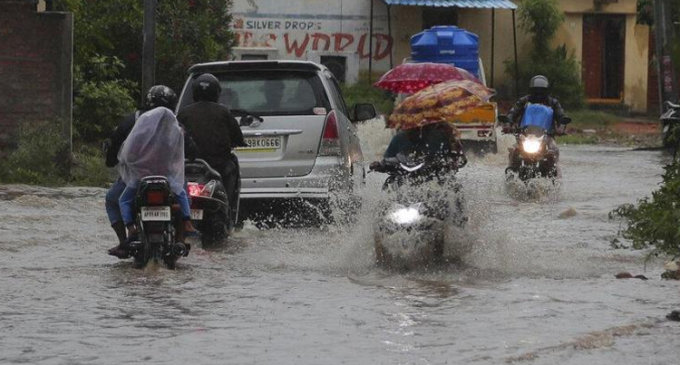
New Delhi, Aug 29: India has received the highest rainfall in August this year since 1976 -- 25 per cent more than the average, after recording 10 per cent less downpour than the average in July, thus setting a new record after 44 years, the IMD said.

The India Meteorological Department (IMD) however, has forecast that the monsoon may slow down in September.

"The forecast so far has been correct regarding the monsoon. The distribution of the monsoon across the country has been better and consistent. There was strong rainfall in August, but in September, the monsoon may gradually weaken. However, areas that received less rain may see increased rainfall," IMD Director General Mrutyunjay Mohapatra said.

The latest IMD report said: "From August 1-28, India has received 296.2 millimeters of rainfall, while the average rainfall during the month is 237.2 millimeters. Thus, the country has received 25 per cent more rainfall in August than the average.

"Previously in 1976, the month of August received 28.4 per cent more rainfall than the average, while the highest rainfall in August was in 1926 -- between 1901 and 2020. In 1926, 33 per cent more rainfall was recorded than the average. "

According to the IMD data, the highest rainfall in August has been in central India -- 57 per cent above the average, while the east and northeast India received 18 per cent less rainfall than the average.

Mahapatra said the monsoon is currently moving towards north-west India while the southern states may experience some relief from heavy rains in the coming weeks.

He said that IMD had issued a forecast of rainfall in Delhi after August 25, which proved to be correct and on Friday (August 28), it rained in the national capital.

"There will be relatively less rainfall in the month of September but the distribution of rainfall across the country will increase the yield of Kharif season crops. The forecast for October has not been released yet."


Comments

Add new comment

  • Coastaldigest.com reserves the right to delete or block any comments.
  • Coastaldigset.com is not responsible for its readers’ comments.
  • Comments that are abusive, incendiary or irrelevant are strictly prohibited.
  • Please use a genuine email ID and provide your name to avoid reject.
News Network
December 6,2025

pilot.jpg

New Delhi: IndiGo, India’s largest airline, faced major operational turbulence this week after failing to prepare for new pilot-fatigue regulations issued by the Directorate General of Civil Aviation (DGCA). The stricter rules—designed to improve flight safety—took effect in phases through 2024, with the latest implementation on November 1. IndiGo has acknowledged that inadequate roster planning led to widespread cancellations and delays.

Below are the key DGCA rules that affected IndiGo’s operations:

1. Longer Mandatory Weekly Rest

Weekly rest for pilots has been increased from 36 hours to 48 hours.

The government says the extended break is essential to curb cumulative fatigue. This rule remains in force despite the current crisis.

2. Cap on Night Landings

Pilots can now perform only two night landings per week—a steep reduction from the earlier limit of six.

Night hours, defined as midnight to early morning, are considered the least alert period for pilots.

Given the disruptions, this rule has been temporarily relaxed for IndiGo until February 10.

3. Reduced Maximum Night Flight Duty

Flight duty that stretches into the night is now capped at 10 hours.

This measure has also been kept on hold for IndiGo until February 10 to stabilize operations.

4. Weekly Rest Cannot Be Replaced With Personal Leave

Airlines can no longer count a pilot’s personal leave as part of the mandatory 48-hour rest.

Pilots say this closes a loophole that previously reduced actual rest time.

Currently, all airlines are exempt from this rule to normalise travel.

5. Mandatory Fatigue Monitoring

Airlines must submit quarterly fatigue reports along with corrective actions to DGCA.

This system aims to create a transparent fatigue-tracking framework across the industry.

The DGCA has stressed that these rules were crafted to strengthen flight safety and align India with global fatigue-management standards. The temporary relaxations are expected to remain until February 2025, giving IndiGo time to stabilise its schedules and restore normal air travel.

Comments

Add new comment

  • Coastaldigest.com reserves the right to delete or block any comments.
  • Coastaldigset.com is not responsible for its readers’ comments.
  • Comments that are abusive, incendiary or irrelevant are strictly prohibited.
  • Please use a genuine email ID and provide your name to avoid reject.