Jaya DA case; trial court order not sustainable in law: HC

May 11, 2015

Bengaluru, May 11: Giving a clean chit to former Tamil Nadu Chief Minister Jayalalithaa, the Karnataka High Court today held that the judgement and finding recorded by the trial court convicting her and three others suffers from infirmity and it is not sustainable in law.
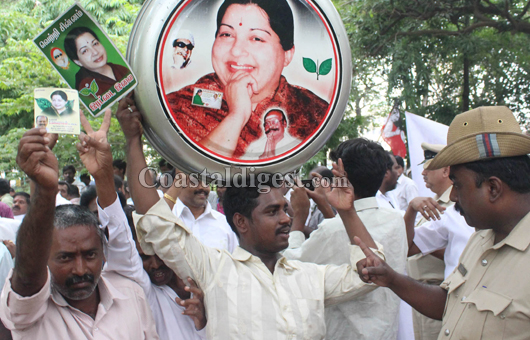
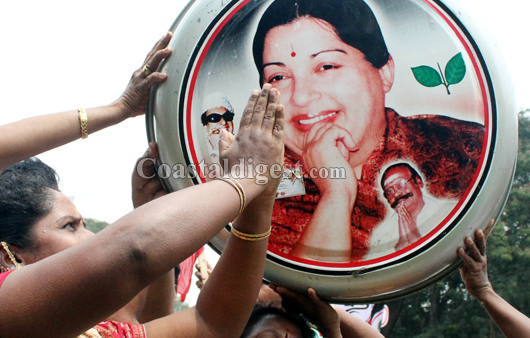
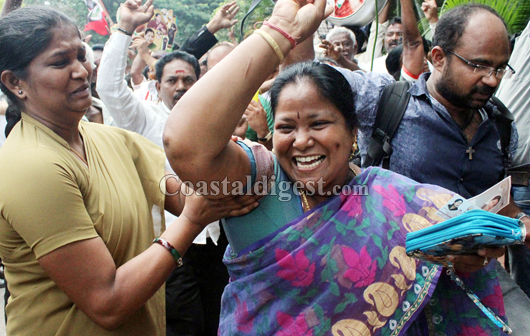
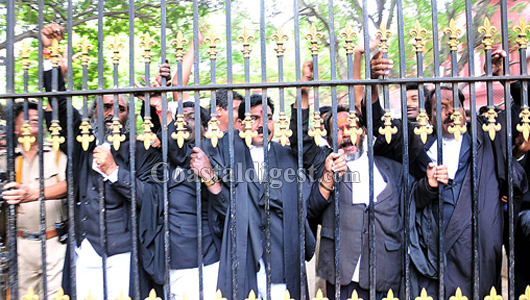
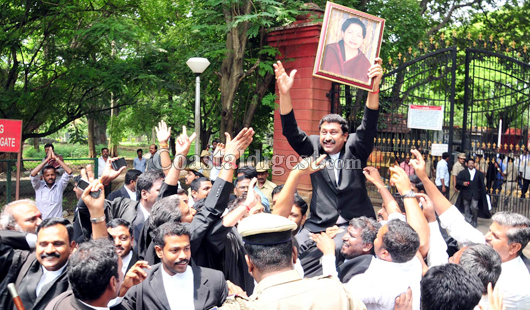
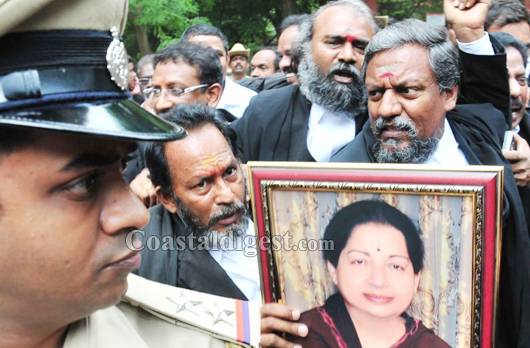
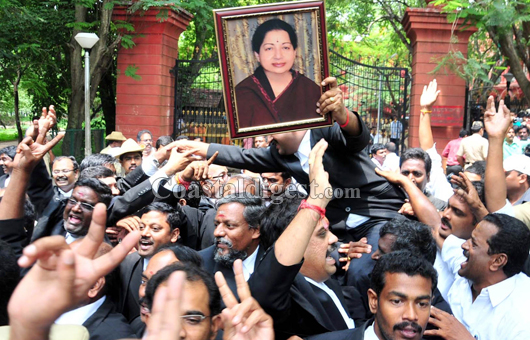
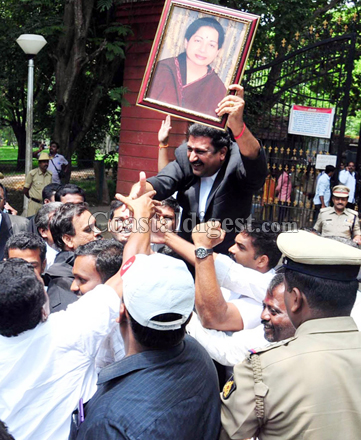
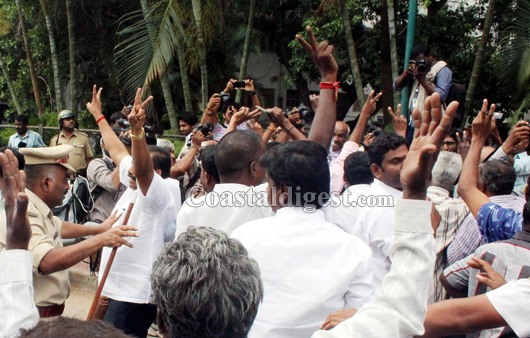
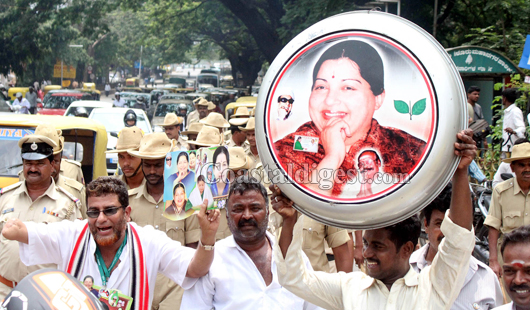
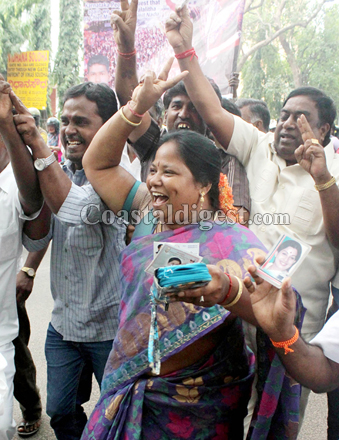
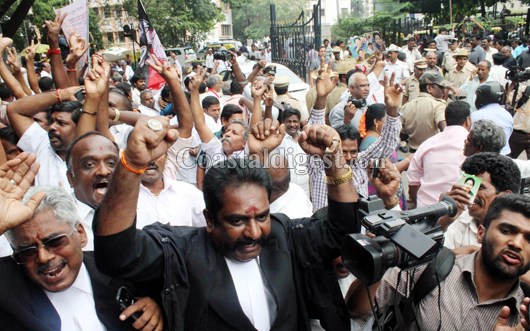
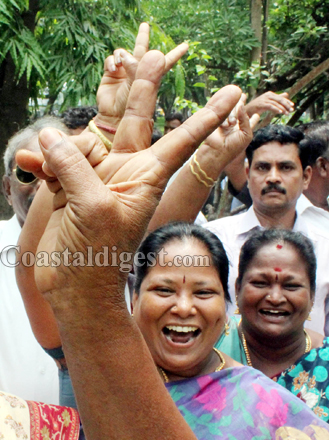
Jayalalita celebration 1

Acquitting Jayalalithaa and three others of "all the charges levelled against them", the single bench judge Justice C R Kumaraswamy set aside the trial court's conviction, allowing the criminal appeals filed by the four convicts.

In his 919-page judgement, Justice Kumaraswamy also quashed the order of the trial court relating to confiscation of the properties both movable and immovable.

"Taking into consideration overall circumstances and material placed on record, in my view, the judgement and finding recorded by the trial court suffers from infirmity and it is not sustainable in law," the judge said in a verdict that has pave the way for Jayalalithaa to return to chief ministership.

On disproportionate assets, the judge held that "it is relatively small. In the instant case, the disproportionate asset is less than 10 per cent and it is within permissible limit."

"Therefore, the accused are entitled to acquittal. When the principal accused (Jayalalithaa) has been acquitted, the other accused, who have played a lesser role, are also entitled to acquittal," the court said.

The judgement came on appeals filed by Jayalalithaa and three others against the verdict of Special Court Judge John Michael D'Cunha who had on September 27 last held her and three others guilty of corruption. He had awarded four years jail term to them, besides slapping a fine of Rs 100 crore on Jayalalithaa and Rs 10 crore each on three others.

The judge said it is a well-settled law that according to the Krishnanand Agnihotri case, when there is disproportionate asset to the extent of 10 per cent, the accused are entitled to acquittal.

A circular has been issued by Andhra Pradesh government that disproportionate assets to the extent of 20 per cent can also be considered as a permissible limit, the judge noted.

The margin of 10 to 20 per cent of the disproportionate assets has been taken as a permissible limit, taking into consideration the inflationary measures.

"Since the value of apparels and slippers and others (of Jayalalithaa) were of "insignificant value", I did not deduct this amount from the assets of DV & AC (Directorate of Vigilance and Anti-Corruption," the juge said.

He held that the prosecution has mixed up assets of accused, firms and companies and also added the cost of construction i.e., Rs.27,79,88,945/- and marriage expenses at Rs.6,45,04,222/- and valued the assets at Rs.66,44,73,573/-. The marriage expenses refer to Sudhakaran's (Jayalalithaa's disowned foster son) controversial extravagant wedding in 1995 when Jayalalithaa was Chief Minister.

"If we remove the exaggerated value of cost of construction and marriage expenses, the assets will work out at Rs.37,59,02,466/-. The total income of the accused, firms and companies is Rs.34,76,65,654/-. Lack of proportion amount is Rs.2,82,36,812/-. The percentage of disproportionate assets is 8.12 per cent," the judge said.

In an appeal from a conviction it is for the appellate court as for the first court to be satisfied affirmatively that the prosecution case is substantially true and that the guilt of the appellants has been established beyond all reasonable doubt, the judge said.

"It is not for the appellants to satisfy the appellate court that the first court had come to a wrong finding. In an appeal by some of the convicted persons, it is open to this court as an appellate court to examine the entire evidence. The powers of the appellate court under this section are the same as those of the trial court," he said.

"If after examining the evidence, this court is in a position to say that the findings arrived at are erroneous or contrary to evidence then not only there is no legal prohibition to do so but in the interest of justice, that must be done."

"In this case, the trial court has ignored the Income Tax proceedings as minimum evidentiary value. The trial court has not appreciated the evidence in a proper perspective," Justice Kumaraswamy said.

He said though the trial court in its judgement mentioned that the accused availed loan by the Indian Bank, it has not considered the same as income. Therefore, the trial court has erred in not considering the loans as income.

Even the valuation though disputed by the defence, the trial court has failed to examine the evidence relating to cost of construction at that relevant time and simply arrived at a conclusion that 20 per cent of the cost has to be reduced without appreciating the evidence placed on record.

"This 20 per cent reduction is calculated on surmises and conjectures. The trial court has assessed the marriage expenses at Rs.3,00,00,000/-. There is no acceptable evidence to point-out that A-1 (Jayalalithaa) has spent about Rs.3,00,00,000/-. In spite of it, the trial court has arrived at a figure of Rs.3,00,00,000/- as modest and conservative estimation."

"Arriving at Rs.3,00,00,000/- towards marriage expenses and fixing liability of Rs.3,00,00,000/- to A-1 alone is not proper. Most of the claims put forth by the accused have been rejected by the trial court," the judge said.

He noted the contention of the counsel for the appellants that without treating the witnesses as hostile, the witnesses were recalled and cross-examined.

"The questions are put in such a manner that whether what they have stated before the examination-in chief is correct or in the cross-examination is correct by securing answer to this question and also by adopting this method, they cannot wipe out the answers elicited in the cross-examination. This is also one of the factors which weigh in favour of the accused."

The judge said if the witness gives different statements at different stages, it is unsafe to place reliance on them.

He also held that it was difficult to infer that the properties were acquired by means of "ill gotten money" and therefore, confiscation of the properties by the trial court was not sustainable in law.

"The trial court has failed to appreciate the evidence in a proper perspective. The immovable properties were acquired by borrowing huge loan from nationalised banks."

On criminal conspiracy by all the four convicts, the judge said the mere "Accused Nos 2 to 4 (Sasikala,Sudhakaran and Elavarasi) living with Accused No. 1 (Jayalalithaa) does not itself contemplate offence of conspiracy."

"Conspiracy construes any combination or agreement between two or more persons to do an unlawful act. There must be reason to believe that there was conspiracy and accused persons were members of that conspiracy."

Section 10 of Indian Evidence Act deals with "things said or done" by the conspirator in reference to the common desire.

"This Section would come into play only when the court was satisfied that there are reasonable grounds to believe that two or more persons have conspired together i.e, to say there must be prima facie evidence."

The aspects of criminal conspiracy were an agreement to believe in an illegal act, the judge observed.

But, in the instant case, evidence on record discloses that the three other accused had borrowed huge amount and they had acquired the immovable properties like agricultural lands and legal entities.

"The source of income is lawful. The object is also lawful. Just because Accused Nos 2 to 4 stay along with Accused No 1, that itself is not component (on the basis of) which the court can come to the conclusion that A Nos.1 to 4 abetted and conspired and acquired the property in an improper way."
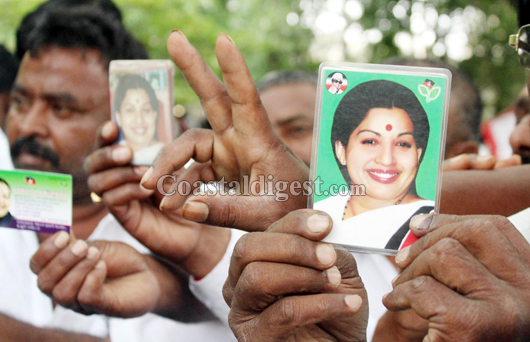
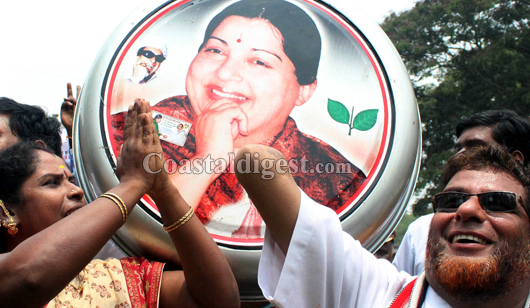
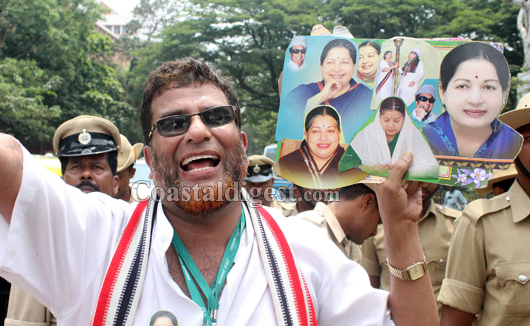
Jayalalita celebration 1

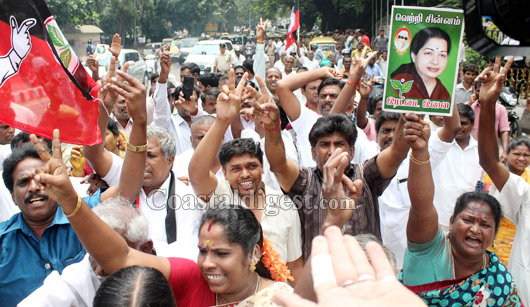
Jayalalita celebration 1

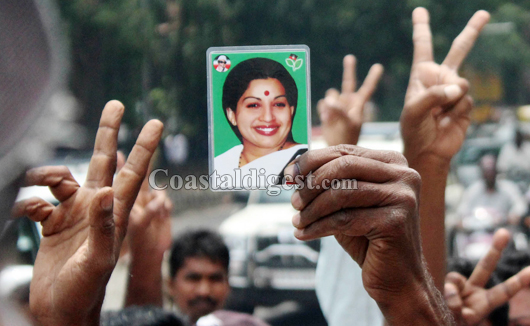
Jayalalita celebration 1

Jayalalita celebration 1

Jayalalita celebration 1

Jayalalita celebration 1

Jayalalita celebration 1

Jayalalita celebration 1

Jayalalita celebration 1

Jayalalita celebration 1

Jayalalita celebration 1

Jayalalita celebration 1

Jayalalita celebration 1

Jayalalita celebration 1

Jayalalita celebration 1

Jayalalita celebration 1

Jayalalita celebration 1

Comments

Add new comment

  • Coastaldigest.com reserves the right to delete or block any comments.
  • Coastaldigset.com is not responsible for its readers’ comments.
  • Comments that are abusive, incendiary or irrelevant are strictly prohibited.
  • Please use a genuine email ID and provide your name to avoid reject.
News Network
December 4,2025

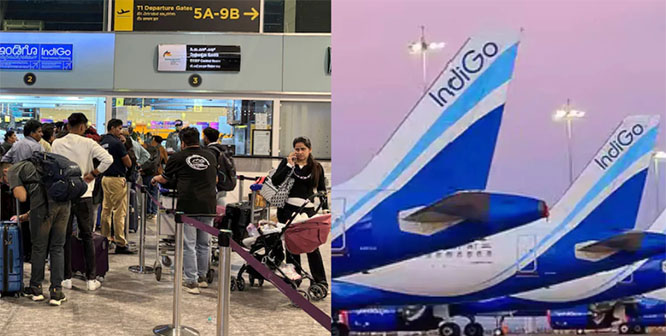
indigocrisis.jpg

Angry outbursts, long queues, and desperate appeals filled airports across India today as IndiGo grappled with a severe operational breakdown. Hundreds of flights have been cancelled or delayed, leaving thousands of passengers stranded through the night and forcing many to spend long hours at helpdesks.

Social media was flooded with videos of fliers pleading for assistance, accusing the airline of misleading updates, and demanding accommodation after being stuck for 10 to 12 hours at airports such as Hyderabad and Bengaluru.

What Triggered the Meltdown?

IndiGo has attributed the widespread disruption to “a multitude of unforeseen operational challenges.” These include:

•    Minor technology glitches
•    Winter-season schedule adjustments
•    Bad weather
•    Congestion in the aviation network
•    New crew rostering rules (Flight Duty Time Limitations or FDTL)

Among these, the most disruptive has been the implementation of the updated FDTL norms introduced by the Directorate General of Civil Aviation (DGCA) in January 2024.

These rules were designed to reduce pilot fatigue and improve passenger safety. Key changes include:

•    Longer weekly rest periods for flight crew
•    A revised definition of “night,” extending it by an extra hour
•    Tighter caps on flight duty timing and night landings
•    Cutting night shifts for pilots and crew from six per roster cycle to just two

Once these norms became fully enforceable, airlines were required to overhaul rosters well in advance. For IndiGo, this triggered a sudden shortage of crew available for duty, leading to cascading delays and cancellations.

Why IndiGo Was Hit the Hardest

IndiGo is India’s largest airline by a wide margin, operating over 2,200 flights daily. That’s roughly double the number operated by Air India.

When an airline of this size experiences even a 10–20% disruption, it translates to 200–400 flights being delayed or grounded — producing massive spillover effects across the country.

IndiGo also relies heavily on high-frequency overnight operations, a model typical of low-cost carriers that aim to maximise aircraft utilisation and reduce downtime. The stricter FDTL norms clash with these overnight-heavy schedules, forcing the airline to pull back services.

Aviation bodies have also criticised IndiGo’s preparedness. The Airline Pilots' Association of India (ALPA) said airlines were given a two-year window to plan for the new rules but “started preparing rather late.” IndiGo, it said, failed to rebuild crew rosters 15 days in advance as required.

The Federation of Indian Pilots (FIP) went further, calling the crisis the result of IndiGo’s “prolonged and unorthodox lean manpower strategy,” and alleging that the airline adopted a hiring freeze even as it knew the new rules would require more careful staffing.

How Many Flights Are Affected?

In the past 48 hours, over 300 flights have been cancelled. At least 100 more are expected to be cancelled today.

City-wise impact:

•    Hyderabad: 33 expected cancellations; several fliers stranded overnight
•    Bengaluru: over 70 expected cancellations
•    Delhi, Mumbai, Chennai, Kolkata: widespread delays and missed connections

Passengers shared distressing accounts online.

One customer at Hyderabad airport said they waited from 6 PM to 9 AM with “no action taken” regarding their delayed Pune flight. Another said IndiGo repeatedly told them the crew was “arriving soon,” only for the delay to stretch over 12 hours.

IndiGo has apologised for the disruption and promised that operations will stabilise within 48 hours, adding that “calibrated adjustments” are being made to contain the chaos.

What Should Passengers Do Now?

For those flying in the next few days, especially with IndiGo, here are key precautions:

1. Keep Checking Flight Status
Monitor your flight closely before leaving for the airport, as delays may be announced last-minute.

2. Arrive Early
Expect long queues at counters and security due to crowding and rescheduling.

3. Carry Essentials
Pack snacks, water, basic medicines, chargers, and items for children or senior citizens. Extended waiting times should be anticipated.

4. Use Flexible Booking Options
If you booked tickets with a free-date-change or cancellation option, consider using them.
If you haven’t booked yet, prefer refundable or flexible fares, or even consider alternate airlines.

5. Follow IndiGo’s Updates
Keep an eye on IndiGo’s official social media channels and contact customer support for rebooking and refund queries.

What Needs to Change?

Pilot groups have raised concerns not just about staffing but also the planning practices behind it.
The Federation of Indian Pilots accused IndiGo of:

•    Imposing an unexplained hiring freeze despite knowing the FDTL changes were coming
•    Entering non-poaching agreements that limited talent movement
•    Keeping pilot pay frozen
•    Underestimating the need to restructure operations in advance

They have urged DGCA to approve seasonal schedules only after airlines prove they have adequate pilot strength under the new norms.

ALPA also warned that some airlines might be using the delays as an “immature pressure tactic” to push DGCA for relaxations in the new rules — which, if granted, could compromise the very safety standards the norms were meant to protect.

Both pilot bodies stressed that no exemption should dilute safety, and any deviations should be based solely on scientific risk assessment.

Is a Solution in Sight?

While IndiGo says normalcy will return within two days, aviation experts believe that fully stabilising operations could take longer, depending on how quickly the airline can:
•    Re-align rosters
•    Mobilise rested crew
•    Boost staffing
•    Adjust its winter schedule to match regulatory requirements
Passengers are advised to remain prepared for continued delays over the next few days as the airline works through its backlog. 

Comments

Add new comment

  • Coastaldigest.com reserves the right to delete or block any comments.
  • Coastaldigset.com is not responsible for its readers’ comments.
  • Comments that are abusive, incendiary or irrelevant are strictly prohibited.
  • Please use a genuine email ID and provide your name to avoid reject.
News Network
December 6,2025

indigoticket.jpg

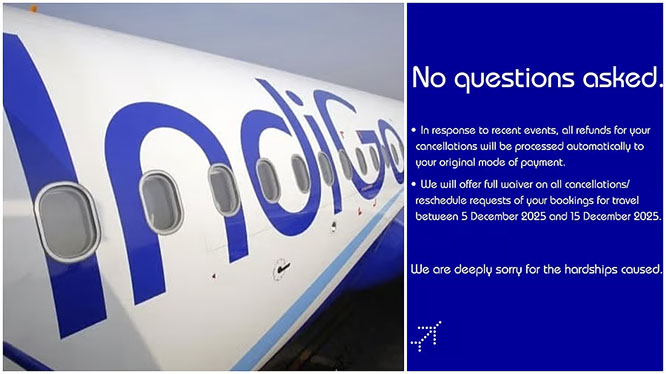
With IndiGo flight disruptions impacting thousands of passengers, the airline on Saturday said that it will offer full waiver on all cancellations/reschedule requests for travel bookings between December 5, 2025 and December 15, 2025.

Earlier in the day, the civil aviation ministry had directed the airline to complete the ticket refund process for the cancelled flights by Sunday evening, as well as ensure baggage separated from the travellers are delivered in the next two days.

In a post on X, titled 'No questions asked', IndiGo wrote, "In response to recent events, all refunds for your cancellations will be processed automatically to your original mode of payment."

"We are deeply sorry for the hardships caused," it further added.

Several passengers, however, complained of not getting full refund as promised by the airline.

Netizens have shared screenchots of getting charged for airline cancellation fee and convenience fee.

"Please tell me why u have did this airline cancellation charges when u say full amount will be refunded (sic)," a user wrote sharing a screenshot of the refund page.

"Well, but you have still debited the convenience charges," wrote another.

Passengers have also raised concerns about the "cancel" option being disabled on the IndiGo app. "First enable the 'Cancel' button on your App & offer full refund on tickets cancelled by customers between the said dates," wrote a user.

A day after the country's largest airline, IndiGo, cancelled more than 1,000 flights and caused disruptions for the fifth day on Saturday, the ministry said that any delay or non-compliance in refund processing will invite immediate regulatory action.

The refund process for all cancelled or disrupted flights must be completed by 8 pm on Sunday, the ministry said in a statement.

"Airlines have also been instructed not to levy any rescheduling charges for passengers whose travel plans were affected by cancellations," it said.

On Saturday, more than 400 flights were cancelled at various airports.

IndiGo has also been instructed to set up dedicated passenger support and refund facilitation cells.

Comments

Add new comment

  • Coastaldigest.com reserves the right to delete or block any comments.
  • Coastaldigset.com is not responsible for its readers’ comments.
  • Comments that are abusive, incendiary or irrelevant are strictly prohibited.
  • Please use a genuine email ID and provide your name to avoid reject.
News Network
December 6,2025

pilot.jpg

New Delhi: IndiGo, India’s largest airline, faced major operational turbulence this week after failing to prepare for new pilot-fatigue regulations issued by the Directorate General of Civil Aviation (DGCA). The stricter rules—designed to improve flight safety—took effect in phases through 2024, with the latest implementation on November 1. IndiGo has acknowledged that inadequate roster planning led to widespread cancellations and delays.

Below are the key DGCA rules that affected IndiGo’s operations:

1. Longer Mandatory Weekly Rest

Weekly rest for pilots has been increased from 36 hours to 48 hours.

The government says the extended break is essential to curb cumulative fatigue. This rule remains in force despite the current crisis.

2. Cap on Night Landings

Pilots can now perform only two night landings per week—a steep reduction from the earlier limit of six.

Night hours, defined as midnight to early morning, are considered the least alert period for pilots.

Given the disruptions, this rule has been temporarily relaxed for IndiGo until February 10.

3. Reduced Maximum Night Flight Duty

Flight duty that stretches into the night is now capped at 10 hours.

This measure has also been kept on hold for IndiGo until February 10 to stabilize operations.

4. Weekly Rest Cannot Be Replaced With Personal Leave

Airlines can no longer count a pilot’s personal leave as part of the mandatory 48-hour rest.

Pilots say this closes a loophole that previously reduced actual rest time.

Currently, all airlines are exempt from this rule to normalise travel.

5. Mandatory Fatigue Monitoring

Airlines must submit quarterly fatigue reports along with corrective actions to DGCA.

This system aims to create a transparent fatigue-tracking framework across the industry.

The DGCA has stressed that these rules were crafted to strengthen flight safety and align India with global fatigue-management standards. The temporary relaxations are expected to remain until February 2025, giving IndiGo time to stabilise its schedules and restore normal air travel.

Comments

Add new comment

  • Coastaldigest.com reserves the right to delete or block any comments.
  • Coastaldigset.com is not responsible for its readers’ comments.
  • Comments that are abusive, incendiary or irrelevant are strictly prohibited.
  • Please use a genuine email ID and provide your name to avoid reject.