



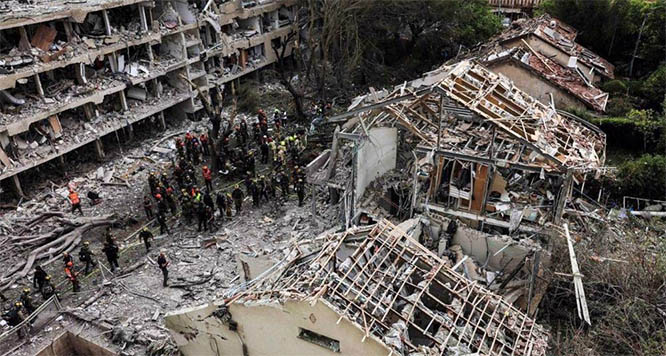
Israel has suffered an estimated $12 billion in direct losses from its 12-day war of aggression against Iran, with total losses potentially rising to $20 billion, according to Israeli media and economic reports.
The losses encompass military expenditures, missile strike damages, payouts to affected individuals and businesses, and infrastructure repairs.
Experts warn the final tally may reach $20 billion once indirect economic impacts and civilian compensation claims are fully calculated.
According to Israeli newspaper Yedioth Ahronoth, the regime’s treasury has already sustained 22 billion shekels ($6.46 billion) in damages.
The Israeli military is now seeking an extra 40 billion shekels ($11.7 billion) to restock arms supplies, purchase additional interceptors and offensive weapons, and maintain reserve units, following pre-war requests of 10 billion and later 30 billion shekels.
Israel’s budget deficit is expected to rise to approximately 6 percent amid challenges to finance war expenses, building on deficits already accumulated during the Gaza war.
The move coincides with forecasts of at least a 0.2 percent economic slowdown, which would further reduce tax revenues.
Massive military spending
Israeli business daily Calcalist reported that the regime’s cabinet had spent roughly $5 billion, around $725 million per day, on offensive operations against Iran and defensive measures to intercept Tehran’s missile and drone barrages
Compensation alone is expected to cost at least five billion shekels ($1.5 billion).
TheMarker confirmed on Monday that physical damage from Iranian missile attacks has already surpassed 5 billion shekels ($1.5 billion).
Economic analysts had cautioned that prolonging the war could have pushed Israel's embattled economy to the brink of collapse.
According to property tax estimates, approximately 15,000 Israeli settlers were forced to evacuate their units due to damages caused by Iranian retaliatory operations, with many relocating to hotels across the occupied territories.
The cost of their hotel accommodation is currently estimated at around 100 million shekels ($29 million. The regime will have to pay rent for an unknown period of time to hundreds or thousands of families, some of them long-term, until the collapsed buildings are rebuilt - a process that could take years.”
So far, more than 41,000 claims have been submitted to the regime’s compensation fund, with many more expected, according to data published by the right-wing newspaper Israel Hayom.
Of these, approximately 33,000 claims were for damage to buildings, while over 8,000 related to damage to vehicles, property, and equipment. The majority of claims - around 26,000 - were submitted by residents of Tel Aviv.
Before October 7, 2023, around 6,000 settlers were receiving permanent compensation from the regime. That number rose sharply to 25,000 following the Hamas-led operation inside southern settlements.
According to TheMarker, this figure is expected to increase further in the aftermath of the war on Iran.
Calls for US support
According to a report, citing a finance ministry insider, Israel is considering asking Washington for additional financial backing, whether as aid or guaranteed loans, to mitigate war costs and fund pressing military priorities.
On June 13, Israel launched an unprovoked aggression against Iran, targeting nuclear facilities and assassinating senior military commanders and scientists along with ordinary civilians.
In response, Iran launched hundreds of ballistic missiles and drones that struck multiple sensitive and strategic Israeli locations, as confirmed by Israeli media outlets.
The Israeli health ministry confirmed 29 fatalities and 3,238 injuries from the Iranian retaliatory attacks, though observers say the figure is likely to be much higher due to Israel's history of censoring casualty statistics.
The Marker characterized the missile strikes as creating “apocalyptic'” devastation, with preliminary damage assessments reaching at least 5 billion shekels ($1.4 billion).
Israel was forced to unilaterally accept a US-proposed ceasefire after incurring heavy losses and failing to destroy Iran’s nuclear infrastructure.
After the ceasefire went into effect on Tuesday, Israel’s extremist finance minister Bezalel Smotrich was quoted as saying “There is no doubt that this morning leaves a bitter taste.”

Comments
Add new comment