



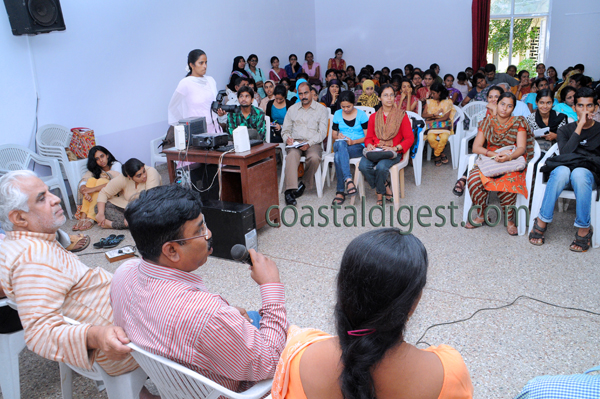
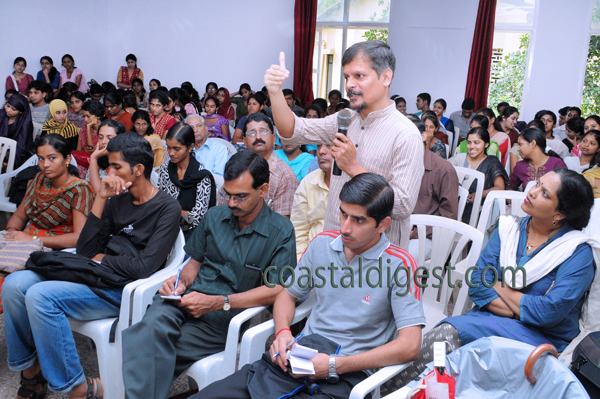
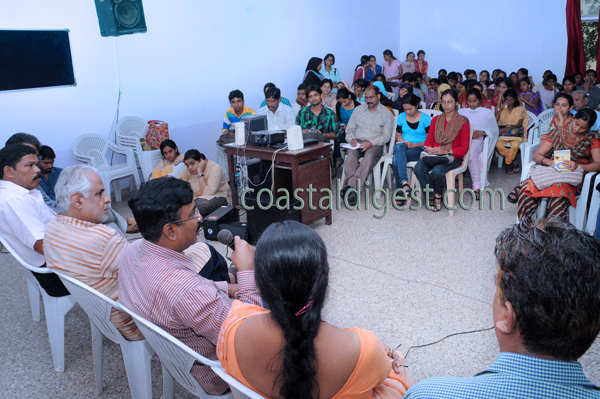
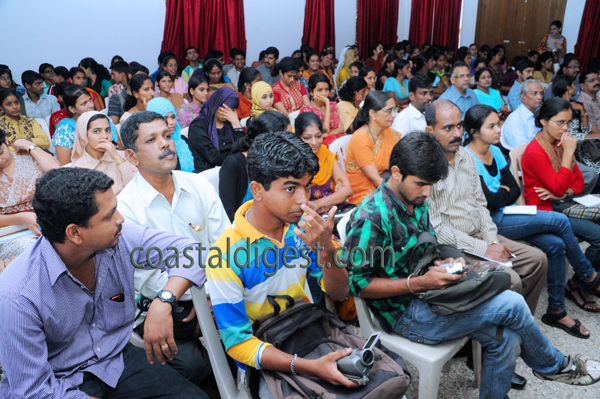
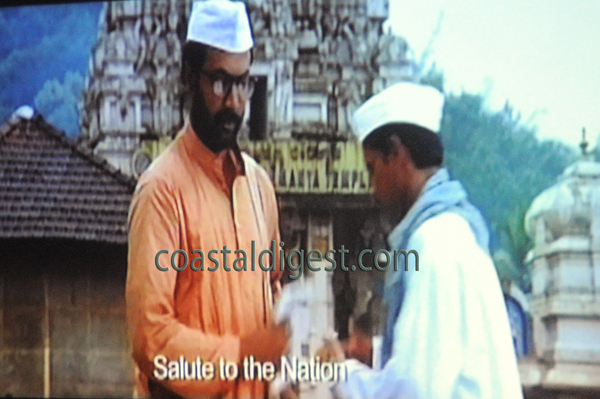
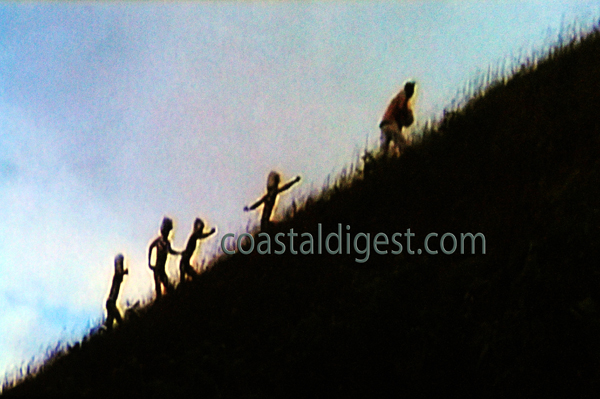
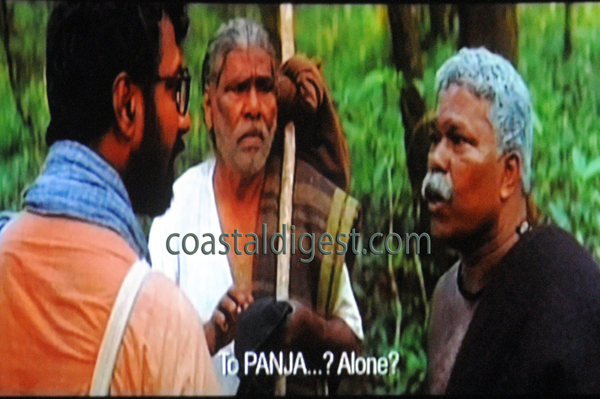
Mangalore, July 15: The perennial dilemma faced by a film director while transforming a classical work into visual form dominated the discussions that followed the screening of P. Sheshadri's award-winning movie “Bettada Jeeva” at Roshni Nilaya here on Friday.
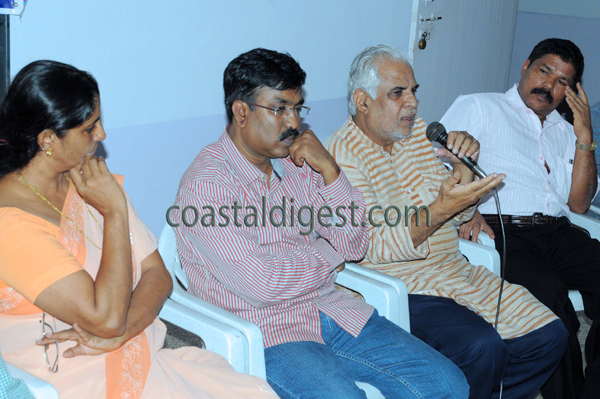
Reacting to an observation made by journalist Praveen Padigar that the movie did not have the same climax as in the Shivarama Karanth's celebrated novel and that the movie did not end as a 'madhura smrithi' (pleasant memories), director Sheshadri said that he deliberately wanted to leave the audience with some disturbing questions.
“I have taken the creative liberty while adapting Bettada Jeeva into the film form. I wanted to portray how modernization has brought in a change in the values by showing the fugitive returning to a completely commercialized place in his pursuit of the dream village, he was enamored with for its hospitality and innocence,” Mr Sheshadri said.
Defending his decision of not adhering strictly to the original novel, Mr Sheshadri said, any classical work possessed the innate strength of leaving the reader with an experience that is his own. “The Western Ghats seen by Karanth could have been different from what we are seeing today. The values have also changed. I am afraid even Karanth would have thought differently about the experiences if he were to react to a similar situation today,” Mr Sheshadri said.
“A novel is always a novel and its cinematic adaptation will always be influenced by the director's perception of the novel. Then there is always the creative freedom, which is very important for any director. If a director does not have anything to say the he would not venture into making the movie based on a classic,” he said.
He also agreed that the authors generally agreed with the director's perception of the movie. This was true in the case of Chomana Dudi, which was brought to celluloid by B.V. Karanth, he added.
Sheshadri then explained the making of the movie Bettada Jeeva and said he did not expect that movie would be such a success.
“The novel “Bettada Jeeva” haunted me for more than three decades. When I read it for the first time in my high school days, it did not make much of an impact on me. However, it kept coming back to me during various phases in my life, and I finally mustered the courage,” he said.
“On the hindsight I think I should have waited bit more on this venture, I could have become more mature,” he added.
Mr Sheshadri is the first-ever director to win the national award for six consecutive films including the best environmental film award for Bettada Jeeva.
“Munnudi” based on Boluvaru Mohammed Kunhi's story “Muttuchera” won him his first national award in 2001. That was the beginning and then followed “Athithi” (2002), “Beru” (2004), “Tutturi” (2007) and “Vimukti” (2009), all national award winning films.
“I was a bit apprehensive as several directors who had made an attempt to work on this novel had abandoned it since all it had were only a series of incidents,” sayid Sheshadri.
“It is easy to elongate a short story, but it is difficult to trim a novel. However, slowly incidents started converting into images,” he recalled.
Sheshadri found it difficult to find a suitable location. Finally he zeroed in on a place 40 km from Subramanya. It is a place Karanth visits in the novel. Along with writer Gopalakrishna Pai and Katte Govindaiah's son, Karanth's good old friend, they visited places Karanth had gone seven decades ago.
“We found Kelabylu of Karanth in Kujagodu village in the interiors of Western Ghats. Things started falling in place once shooting started and professional artistes including Dattanna, Rameshwari Varma, Suchendra Prasad filled life into the characters,” he said.
Speaking on his role in the movie, Dattanna said, playing Gopalaiah's character gave him immense satisfaction as his was a role replete with zest for life and heart for challenge. “Gopalaiah lived as an integral part of the forest and stood out for his leadership abilities without being too dominating,” he said, but admitted playing his role was not a challenging job for him as everything was laid out at the screen play stage itself.
“But bringing out the innate personal traits of the characters was a big challenge. The director has handled it very smartly,” he added.
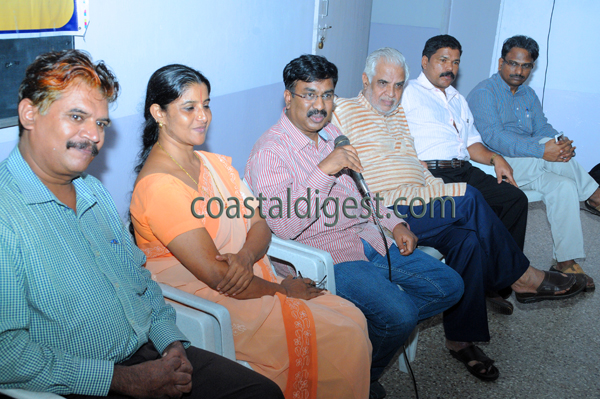
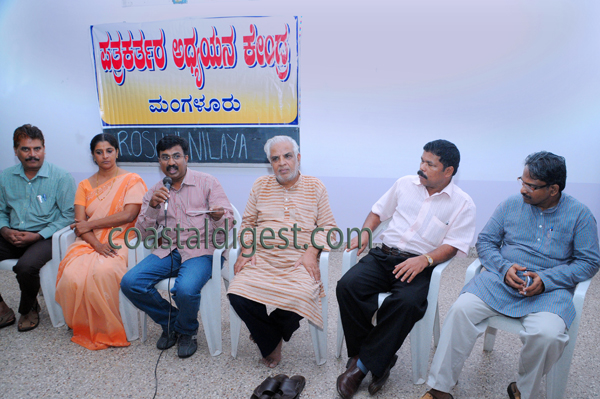
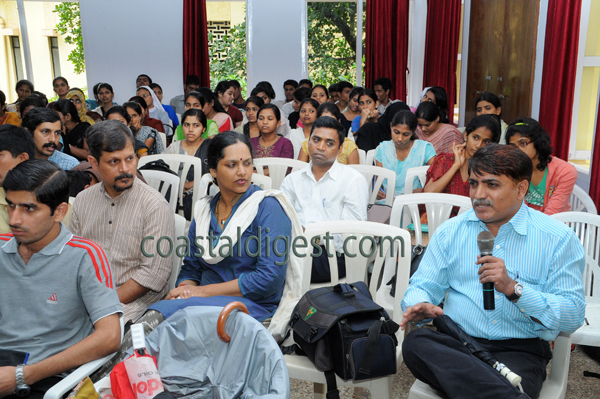
Shobhana Manohar, HoD of English, Roshni Nilaya, BH Maheshcandra, bureau chief, Prajavani, Mangalore, Natesh Ullal, theatre person, Govind Belgaumkar, bureau chief, The Hindu, Mangalore, participated in the discussion.
The programme was organized by the Pathrakarthara Adhayayana Kendra Mangalore.





Comments
Add new comment