



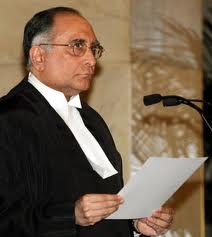
When a bench of CJI and Justices D K Jain, S S Nijjar, R P Desai and J S Khehar were deliberating on reporting guidelines of sub-judice matters, Justice Kapadia said, "In RTI matters, since I took over as CJI, I have given answers to all questions except very few things. But the kind of questions and their number is also exceeding limit."
He gave samples of the irrelevant questions that were being put to the Judges taking away their precious time which could have been utilized in studying petitions and case materials. "Why did you attend Nani Palkhivala Lecture? What time did you leave? Did you eat lunch or had tea? Which lawyer invited you for the function? We are working hard but we are not being able to concentrate many a times because these kinds of questions," the CJI said.
"Are these questions relevant for press? It is all going beyond all limits. The RTI Act is a good law but there has to a limit to it," he added.
During the deliberations on reporting guidelines, the court asked senior advocate Anil Divan whether the Nariman Committee recommendations or the self-regulatory mechanism in News Broadcasters Association had provisions to deal with the problem of 'paid news'.
"If in the case of paid news comes before the association what steps would it take? What steps are prescribed in the self-regulatory mechanism? We are all for open court system. But we want to know if in a given case the court comes to a conclusion that reporting had vitiated fair trial and prejudiced the accused, what preventive steps are to be taken?" the bench asked.
The CJI took the lead in formulating the questions and said the court need not be misunderstood for this as it was coming across examples frequently relating to reporting on sub-judice matters. "Take for example today's article in The Hindu about Presidential Reference referring to it as 'all lies'," he said.
"The reference may not be sub-judice but it is coming to the court and the newspaper analyses all issues. How do we control such kind of things? Is it not interference in the administration of Justice? We are only asking to understand what should be done in such cases. Without saying whether it is right or wrong, we are giving the examples to get assistance from the counsel," Justice Kapadia said.
Divan, concluding his arguments, said he was still uncomfortable about framing of mandatory guidelines by the court as it would give a handle to accused and other vested interests would give various interpretations to the guidelines and rush to court seeking ban or postponement of reporting.
Senior advocate T R Andyarujina, assisting the court as amicus, said the US Supreme Court allows its proceedings to be telecast live thus leaving very little scope for misreporting by media. He said in India Parliament under its Privilege Rules could punish journalists for misreporting. "But in last 20 years, the Privileges Committee has only censured the erring ones and never punished them," he said. The arguments would continue on Tuesday.


Comments
Add new comment