



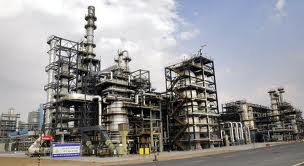
Bhatinda, April 28: Stating that India faces “formidable” challenges on the energy front, Prime Minister Manmohan Singh on Saturday said spiralling international oil prices have put a strain on the country’s import bill and domestic prices need to be rationalised.
“With imports accounting for about 80 per cent of our crude supplies, the spiralling prices of crude in the international market have put a severe strain on our import bill,” he said formally opening a USD 4 billion refinery here.
State-owned oil companies haven’t raised diesel, domestic LPG and kerosene for almost a year despite cost of raw material rising by a quarter.
“We also need to rationalise prices and at the same time ensure that the poor and needy are shielded from the effects of such a rationalisation,” he said.
The government had in June 2010 freed petrol prices from its control but PSU oil companies haven’t been able to raise prices because of political pressure. Petrol price of Rs 65.64 a litre in Delhi is about Rs 9 short of its cost.
The government controls rates of diesel, domestic LPG and kerosene. Oil companies sell diesel at a discount of Rs 16.16 a litre, while they lose Rs 32.59 on sale of every litre of kerosene. A 14.2-kg domestic LPG cylinder costs Rs 570.50 less than its actual cost.
“In order to insulate the common man from the impact of rising oil prices, the Government shoulders a sizeable portion of the burden by pricing diesel, Kerosene and domestic LPG below their market prices,” he said.
Indian Oil Corp, Bharat Petroleum and Hindustan Petroleum lost about Rs 138,800 crore in revenues on selling diesel, domestic LPG and kerosene below cost in 2011-12. This fiscal, the revenue loss is estimated at Rs 208,000 crore.
“The challenges we face on the energy front are formidable. We need adequate supplies of energy at affordable prices. Domestic sources of crude oil and gas are inadequate to meet the growing demands of our rapidly expanding economy,” Dr. Singh said.
The Prime Minister said the 9 million tonne a year Guru Gobind Singh Refinery was built at a total investment of Rs 20,000 crore and is an example of what the public and the private sectors can achieve in partnership with each other.
“Ever since the project was initiated in the year 2004, our government has been monitoring its progress regularly and I am happy that our long standing commitment to the people of Punjab has finally been fulfilled,” he said.
HMEL, a joint venture of steel czar Lakshmi N Mittal’s Mittal Energy Investments and Hindustan Petroleum Corp Ltd (HPCL), built the refinery in 42 months.
The refinery will produce fuel meeting Euro-III and IV standards and “reiterates our commitment to safeguarding our environment while pushing ahead with growth,” Dr. Singh said. “The products from this refinery will especially help in bridging the gap between demand and supply in the northern region of the country.”
Stating that the refinery sector in India has grown phenomenally, he said the nation has emerged as a refining hub with capacity increasing from 62 million tonne per annum in 1998 to 213 million tonne.
“We have sufficient refining capacity to enable us to export petroleum products,” the Prime Minister said.
Start-up of Bhatinda refinery will help boost India’s exports and may open fuel sales to Pakistan.
Pakistan allows imports of fuels including petrol and diesel from India, after removing non-tariff barriers on November 2. The distance between Bathinda and Lahore is about 100 miles.
Dr. Singh said, “We need to take steps to conserve our scarce energy resources. There is no room for inefficient and wasteful usage of fuel, be it petrol, diesel, kerosene or gas.”
He added, “We need to adopt better technology and consumers should be made aware of the benefits of fuel conservation.”

Comments
Add new comment