Supreme Court orders NIA probe into Hindu girl’s conversion to Islam

coastaldigest.com web desk
August 16, 2017

New Delhi, Aug 16: The Supreme Court on Wednesday ordered a National Investigation Agency (NIA) probe into the plea of a Muslim man whose marriage with a Hindu convert Muslim woman (Akhila alias Hadiya) was annulled by the Kerala High Court as per the request of her Hindu parents.

A bench of Chief Justice of India Jagdish Singh Khehar and justice DY Chandrachud ordered NIA to launch a probe into the conversion and marriage of the girl, who was known as Akhila but converted to Islam and changed her name to Hadiya, to a Muslim man, Shafin Jahan. The marriage had taken place in 2016.

Justice RV Ravindran, a retired judge of the apex court, will supervise the investigation.

The Kerala HC on May 25 had declared as "null and void," the marriage of 24-year-old Hadiya who had renounced Hinduism and embraced Islam on her own will. However, the court had described the case as an instance of 'love jihad' and ordered the state police to conduct probe into such cases.

In its earlier hearing, the apex court had termed the case as "serious" and "sensitive". The bench had asked the NIA and father of the woman to give all the materials in their possession to the court.

"These are very sensitive issues.. It's a serious matter... You give us all the materials you have," the apex court had told them.

"Issue notice. Madhvi Divan, advocate... on behalf of respondent number one (father) seeks a week's time, so as to enable her to place material on the record of this case. Prayer is allowed. Needful be done within one week from today," the bench said.

The woman's husband, Shafin Jahan, has filed a plea challenging the HC order saying it was an "an insult to the independence of woman in India".

Advocate Madhvi Divan, appearing for Hadiya's father, said she was a "helpless victim" trapped by a "well-oiled racket" which used "psychological measures" to indoctrinate people and convert them to Islam.

The lawyer went on to claim that Jahan was a criminal and Akhila was trapped by a network with connections to Popular Front of India and even the Islamic State. However, the lawyer did not provide any proof for his claim.

Background

Ashokan Mani, an ex-serviceman filed Habeas Corpus petition before the Kerala High Court on January 25, 2016 when he found that his daughter Akhila (now Hadiya) was missing from the campus she studied. Akhila was a student of the Bachelor of Homeopathic Medicine and Surgery course in Salem.

In his petition, Ashokan alleged that his daughter was forcibly converted to Islam and sought the help of the court to find her. Ashokan named two of Akhila's classmates Jaseena Aboobaker and her sister Faseena - residents of Perinthalmanna - as the persons behind her disappearance from the campus under mysterious circumstances.

Ashokan said in his petition that Akhila and eight other friends including Jaseena and Faseena were staying in a rented house near their college in Salem. They used to visit her friends' home in Perinthalmanna during holidays.

Daughter was afraid of Hindu father

Ashokan mentioned in his petition that he noticed some behavioural changes in her daughter when came home to attend her grandfather's funeral in December 2015. Ashokan said that Akhila was not ready to perform Hindu rituals.

On January 6, 2017 Ashokan received a phone call from the father of one of Akhila's classmate informing him that his daughter was seen wearing veil and that she was converted to Islam.

The news was a shock to Ashokan. Family members passed information to Akhila that her father suffered a mild heart attack because of her. However, she was not ready to visit father as she was afraid that he may not allow her to follow Islam.

Father’s allegation and daughter’s clarification

Ashokan later told police that Akhila had informed him that she was being forcibly held by people including Jaseena and Aboobacker.  Ashokan claimed in his petition that those people were engaged in forcible conversion of vulnerable youths of other faiths.

On the complaint by Ashokan, police began probe. Hadiya was found but she submitted an affidavit before Perinthalmanna police that she was following Islam since 2012 and had willingly left her home. She rubbished the allegation made by her father and family members.

Hadiya told the police officials that she joined a course run by Tharbiathul Islam Sabha, Kottackal in Malappuram to learn Islam and shifted her residence to Satyasarani in Manjery - an Islamic Institution.

According to her affidavit, Hadiya stayed in Aboobacker's home for a brief period. Hadiya later shifted to Satyasarani's hostel for girls and completed her course. Satyasarani introduced her to Sainaba from Ernakulam and started staying with her after her father filed Habeas Corpus petition.

First order of high court

Hadiya told the court that she was not under any illegal confinement against her free will. She also told the court that she was not willing to go to her father's house. She insisted that she wanted to pursue her Islamic studies at Satyasarani.

In June last year, the Kerala High Court allowed Hadiya to stay with Sainaba. Later Hadiya informed the court that she had taken admission in Satyasarani and produced records of her admission in the religious institution. Consequently, Kerala High Court dismissed the Habeas Corpus petition filed by Ashokan Mani.

Father introduces ‘terror’ angle

The June 2016 order of the Kerala High Court should have been the end of the matter. But, ex-soldier Ashokan Mani decided to file habeas corpus petition. Ironically, this time he raised terror angle!

Ashokan alleged that her daughter was converted to Islam at the behest of the ISIS. He feared that Hadiya might be taken out of India to join the ranks of Islamic State in Afghanistan.

Ashokan mentioned about two separate cases of women vanishing from Kerala allegedly to join the ISIS terrorists in Afghanistan after they were converted to Islam and married to Muslim men.

Twists and Turns

The Kerala High Court, at first, was not impressed with the reference to the ISIS. The court asked Ashokan's lawyer CK Mohanan to delete the reference to the ISIS in his petition as it was irrelevant.

But, Mohanan was insistent and argued that Kerala police were investigating a case of missing 21 persons from the state. They are suspected to have been taken to Afghanistan. A heated exchange took place in the open court between the lawyers and the bench.

Justices PN Ravindran and Justice Dama Seshadri Naidu slapped ordered contempt proceedings against lawyer Mohanan in 2016. The court pronounced him guilty in the case and sentenced him to three months imprisonment and also imposed a fine of Rs 1,000.

Ashokan assured the court that he would not engage Mohanan in future. The high court shifted Hadiya from the custody of Sainaba to SNV Sadanam, Ernakulam - a ladies' hostel.

Meanwhile, Hadiya got married to Shafeen Jahan of Kollam in December last year. The matter came up in January this year before the Kerala High Court, which was hearing the second Habeas Corpus writ filed by Ahokan.

Hadiya produced marriage certificate issued by Puthur Juma Masjid in Malappuram and marriage registration certificate by local panchayat authorities. But, the Kerala High Court has declared both the marriage and the certificates as invalid.

Why HC nullified wedding?

The court in its judgment said that the marriage was done by strangers and her parents did not participate in the function.

"Marriage being the most important decision in her (Hadiya’s) life can only be taken with the active involvement of her parents," the Kerala High Court observed.

"The marriage, which is alleged to have taken place, is a sham and is of no consequence in the eye of law. Her husband has no authority to act as the guardian,'' the court further remarked.

The Kerala High Court also directed the State Police Chief to conduct departmental inquiry against Perinthalmanna Deputy Superintendent of Police for not investigating the case properly and take appropriate action.

The court verdict said that investigation should also be carried out about the activities of Sathyasarani, a renowned Islamic educational institution at Manjeri regarding conversion of religion.

The court also had ordered an investigation into whether there was any breach on the part of the officer who had investigated the case earlier. It is to be noted that the investigating officer appointed by the same court had categorically said that the complainant’s claims were baseless.

Comments

Ahmed
 - 
Thursday, 17 Aug 2017

Her Father and many like him have fallen to the mind wash of the media... We request the father to read the QURAN once in your life time or atleast now to avoid the confusion on his daughter who started to worship ONE GOD ALLAH which is also mentioned in your vedas and BG. God made us to worship him alone ... YOUR DAUGHTER recognised that but U need to recognize too...Please read the book of the CREATOR, The QURAN, ALLAH loves when the creation try to know about him and PONDER on how all this exists and also knowing the perfectness in the creation of human being...  as well as those which are visible and not visible to us.

Allah is able to do all thing... The media 24/day tries to demonize ISLAM and Muslims... but ALLAH has a different plan . The more they demonize , the more people are accepting ISLAM, not just in india but all over the world. I think its time to NON MUSLIMs to know about one GOD ALLAH rather than depending on the LIES and deception of the media. QURAN is the manual for human being on how to live a life that ALLAH has given us. Dont be idle .. Learn about GOD before death approaches us. Look the knowledge of MEDIA & compare it with the divine knowledge that is mentioned in the QURAN.ALLAHU AKBAR - God is Greatest.


Manjeshwaranna
 - 
Wednesday, 16 Aug 2017

If some one want to know the circumstances under which the court came to this order you can go through the actual judgement 

http://judis.nic.in/Judis_Kerala/list_new2_Pdf.asp?FileName=520925

Add new comment

  • Coastaldigest.com reserves the right to delete or block any comments.
  • Coastaldigset.com is not responsible for its readers’ comments.
  • Comments that are abusive, incendiary or irrelevant are strictly prohibited.
  • Please use a genuine email ID and provide your name to avoid reject.
News Network
December 17,2025

melkar1.jpg

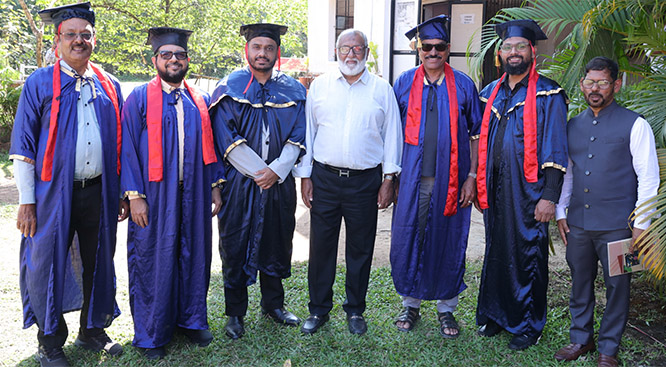
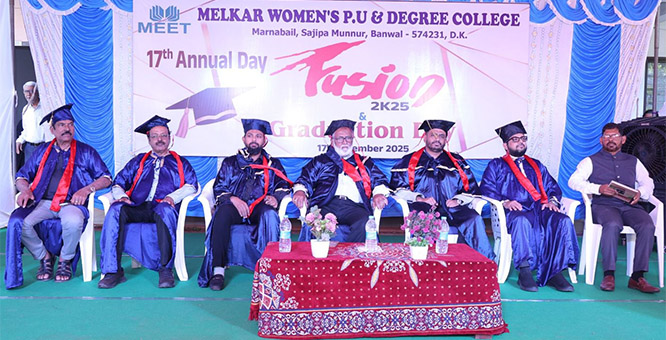
Melkar, Dec 17: The 17th Annual Day and Graduation Ceremony of Melkar Women’s PU and Degree College, themed “Fusion-2K25,” was celebrated with dignity and enthusiasm, marking a significant milestone in the institution’s academic journey. The programme reflected the college’s steadfast commitment to academic excellence, character building, and the holistic development of students.

The event was inaugurated by Mr. Asif Mohammed, whose presence greatly enriched the occasion. The celebration was further graced by the chief guests Mr. P. B. Ahmed Mudassir and Mr. Nissar Fakeer Mohammed, along with the distinguished guests of honour Mr. B. A. Nazeer and Mr. Ibrahim Gadiyar. In their inspiring addresses, the guests encouraged the graduating students and appreciated the dedicated efforts of the management, faculty, and students.

The annual report was presented by the Principal, Mr. Abdul Majeed S, highlighting the institution’s academic progress, notable achievements, and extracurricular accomplishments during the academic year.

The presidential address was delivered by the esteemed Chairman of Melkar Women’s PU and Degree College, Dr. Haji S. M. Rasheed, who emphasized the vital role of education in empowering women and shaping responsible citizens. He also stressed the importance of discipline, dedication, and perseverance in achieving success.

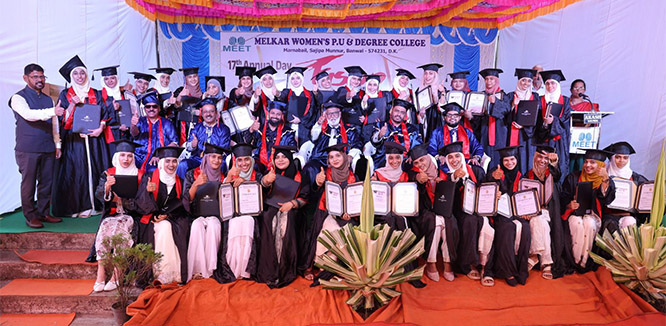
Cultural programmes and academic recognitions formed an integral part of the celebration, showcasing the talents and achievements of the students. The graduation ceremony was a proud moment for the outgoing students as they were formally conferred degrees and wished success in their future endeavours.

Ms. Mashmooma Fathima served as the Master of Ceremonies. The welcome address was delivered by Ms. Fathima Nida, and the programme concluded with a vote of thanks proposed by Ms. Ayisha Suhana.

The event successfully achieved its objectives and was highly appreciated by the guests and attendees.

melkar3.jpg

melkar2.jpg

Comments

Add new comment

  • Coastaldigest.com reserves the right to delete or block any comments.
  • Coastaldigset.com is not responsible for its readers’ comments.
  • Comments that are abusive, incendiary or irrelevant are strictly prohibited.
  • Please use a genuine email ID and provide your name to avoid reject.
News Network
December 4,2025

indigocrisis.jpg

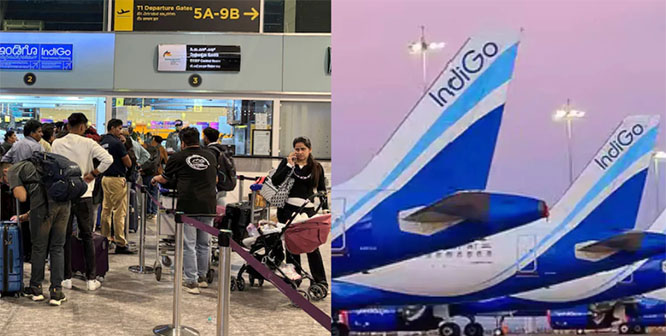
Angry outbursts, long queues, and desperate appeals filled airports across India today as IndiGo grappled with a severe operational breakdown. Hundreds of flights have been cancelled or delayed, leaving thousands of passengers stranded through the night and forcing many to spend long hours at helpdesks.

Social media was flooded with videos of fliers pleading for assistance, accusing the airline of misleading updates, and demanding accommodation after being stuck for 10 to 12 hours at airports such as Hyderabad and Bengaluru.

What Triggered the Meltdown?

IndiGo has attributed the widespread disruption to “a multitude of unforeseen operational challenges.” These include:

•    Minor technology glitches
•    Winter-season schedule adjustments
•    Bad weather
•    Congestion in the aviation network
•    New crew rostering rules (Flight Duty Time Limitations or FDTL)

Among these, the most disruptive has been the implementation of the updated FDTL norms introduced by the Directorate General of Civil Aviation (DGCA) in January 2024.

These rules were designed to reduce pilot fatigue and improve passenger safety. Key changes include:

•    Longer weekly rest periods for flight crew
•    A revised definition of “night,” extending it by an extra hour
•    Tighter caps on flight duty timing and night landings
•    Cutting night shifts for pilots and crew from six per roster cycle to just two

Once these norms became fully enforceable, airlines were required to overhaul rosters well in advance. For IndiGo, this triggered a sudden shortage of crew available for duty, leading to cascading delays and cancellations.

Why IndiGo Was Hit the Hardest

IndiGo is India’s largest airline by a wide margin, operating over 2,200 flights daily. That’s roughly double the number operated by Air India.

When an airline of this size experiences even a 10–20% disruption, it translates to 200–400 flights being delayed or grounded — producing massive spillover effects across the country.

IndiGo also relies heavily on high-frequency overnight operations, a model typical of low-cost carriers that aim to maximise aircraft utilisation and reduce downtime. The stricter FDTL norms clash with these overnight-heavy schedules, forcing the airline to pull back services.

Aviation bodies have also criticised IndiGo’s preparedness. The Airline Pilots' Association of India (ALPA) said airlines were given a two-year window to plan for the new rules but “started preparing rather late.” IndiGo, it said, failed to rebuild crew rosters 15 days in advance as required.

The Federation of Indian Pilots (FIP) went further, calling the crisis the result of IndiGo’s “prolonged and unorthodox lean manpower strategy,” and alleging that the airline adopted a hiring freeze even as it knew the new rules would require more careful staffing.

How Many Flights Are Affected?

In the past 48 hours, over 300 flights have been cancelled. At least 100 more are expected to be cancelled today.

City-wise impact:

•    Hyderabad: 33 expected cancellations; several fliers stranded overnight
•    Bengaluru: over 70 expected cancellations
•    Delhi, Mumbai, Chennai, Kolkata: widespread delays and missed connections

Passengers shared distressing accounts online.

One customer at Hyderabad airport said they waited from 6 PM to 9 AM with “no action taken” regarding their delayed Pune flight. Another said IndiGo repeatedly told them the crew was “arriving soon,” only for the delay to stretch over 12 hours.

IndiGo has apologised for the disruption and promised that operations will stabilise within 48 hours, adding that “calibrated adjustments” are being made to contain the chaos.

What Should Passengers Do Now?

For those flying in the next few days, especially with IndiGo, here are key precautions:

1. Keep Checking Flight Status
Monitor your flight closely before leaving for the airport, as delays may be announced last-minute.

2. Arrive Early
Expect long queues at counters and security due to crowding and rescheduling.

3. Carry Essentials
Pack snacks, water, basic medicines, chargers, and items for children or senior citizens. Extended waiting times should be anticipated.

4. Use Flexible Booking Options
If you booked tickets with a free-date-change or cancellation option, consider using them.
If you haven’t booked yet, prefer refundable or flexible fares, or even consider alternate airlines.

5. Follow IndiGo’s Updates
Keep an eye on IndiGo’s official social media channels and contact customer support for rebooking and refund queries.

What Needs to Change?

Pilot groups have raised concerns not just about staffing but also the planning practices behind it.
The Federation of Indian Pilots accused IndiGo of:

•    Imposing an unexplained hiring freeze despite knowing the FDTL changes were coming
•    Entering non-poaching agreements that limited talent movement
•    Keeping pilot pay frozen
•    Underestimating the need to restructure operations in advance

They have urged DGCA to approve seasonal schedules only after airlines prove they have adequate pilot strength under the new norms.

ALPA also warned that some airlines might be using the delays as an “immature pressure tactic” to push DGCA for relaxations in the new rules — which, if granted, could compromise the very safety standards the norms were meant to protect.

Both pilot bodies stressed that no exemption should dilute safety, and any deviations should be based solely on scientific risk assessment.

Is a Solution in Sight?

While IndiGo says normalcy will return within two days, aviation experts believe that fully stabilising operations could take longer, depending on how quickly the airline can:
•    Re-align rosters
•    Mobilise rested crew
•    Boost staffing
•    Adjust its winter schedule to match regulatory requirements
Passengers are advised to remain prepared for continued delays over the next few days as the airline works through its backlog. 

Comments

Add new comment

  • Coastaldigest.com reserves the right to delete or block any comments.
  • Coastaldigset.com is not responsible for its readers’ comments.
  • Comments that are abusive, incendiary or irrelevant are strictly prohibited.
  • Please use a genuine email ID and provide your name to avoid reject.
News Network
December 13,2025

New Delhi: School-going children are picking up drug and smoking habits and engaging in consumption of alcohol, with the average age of introduction to such harmful substances found to be around 13 years, suggesting a need for earlier interventions as early as primary school, a multi-city survey by AIIMS-Delhi said.

The findings also showed substance use increased in higher grades, with grade XI/XII students two times more likely to report use of substances when compared with grade VIII students. This emphasised the importance of continued prevention and intervention through middle and high school.

The study led by Dr Anju Dhawan of AIIMS's National Drug Dependence Treatment Centre, published in the National Medical Journal of India this month, looks at adolescent substance use across diverse regions.

The survey included 5,920 students from classes 8, 9, 11 and 12 in urban government, private and rural schools across 10 cities -- Bengaluru, Chandigarh, Delhi, Dibrugarh, Hyderabad, Imphal, Jammu, Lucknow, Mumbai, and Ranchi. The data were collected between May 2018 and June 2019.

The average age of initiation for any substance was 12.9 (2.8) years. It was lowest for inhalants (11.3 years) followed by heroin (12.3 years) and opioid pharmaceuticals (without prescription; 12.5 years).

Overall, 15.1 per cent of participants reported lifetime use, 10.3 per cent reported past year use, and 7.2 per cent reported use in the past month of any substance, the study found.

The most common substances used in the past year, after tobacco (4 per cent) and alcohol (3.8 per cent), were opioids (2.8 per cent), followed by cannabis (2 per cent) and inhalants (1.9 per cent). Use of non-prescribed pharmaceutical opioids was most common among opioid users (90.2 per cent).

On being asked, 'Do you think this substance is easily available for a person of your age' separately for each substance category, nearly half the students (46.3 per cent) endorsed that tobacco products and more than one-third of the students (36.5 per cent) agreed that a person of their age can easily procure alcohol products.

Similarly, for Bhang (21.9 per cent), ganja/charas (16.1 per cent), inhalants (15.2 per cent), sedatives (13.7 per cent), opium and heroin (10 per cent each), the students endorsed that these can be easily procured.

About 95 per cent of the children, irrespective of their grade, agreed with the statement that 'drug use is harmful'.

The rates of substance use (any) among boys were significantly higher than those of girls for substance use (ever), use in the past year and use in the past 30 days. Compared to grade VIII students, grade IX students were more likely, and grade XI/XII students were twice as likely to have used any substance (ever).

The likelihood of past-year use of any substance was also higher for grade IX students and for grade XI/XII students as compared to grade VIII students.

About 40 per cent of students mentioned that they had a family member who used tobacco or alcohol each. The use of cannabis (any product) and opioid (any product) by a family member was reported by 8.2 per cent and 3.9 per cent of students, respectively, while the use of other substances, such as inhalants/sedatives by family was 2-3 per cent, the study found.

A relatively smaller percentage of students reported use of tobacco or alcohol among peers as compared to among family members, while a higher percentage reported inhalants, sedatives, cannabis or opioid use among peers.

Children using substances (past year) compared to non-users reported significantly higher any substance use by their family members and peers.

There were 25.7 per cent students who replied 'yes' to the question 'conflicts/fights often occur in your family'. Most students also replied affirmatively to 'family members are aware of how their time is being spent' and 'damily members are aware of with whom they spend their time'.

Comments

Add new comment

  • Coastaldigest.com reserves the right to delete or block any comments.
  • Coastaldigset.com is not responsible for its readers’ comments.
  • Comments that are abusive, incendiary or irrelevant are strictly prohibited.
  • Please use a genuine email ID and provide your name to avoid reject.