



Guwahati, Jan 23: Cashless transactions may be the latest buzzword in the country's economic arena, but in a small hamlet about 32 km from Guwahati, members of Assam's Tiwa tribe meet every year to carry out an unique trade fair where the dealings are totally cashless.
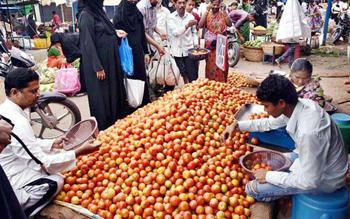
Popularly known as the 'Junbeel' Mela, meaning moon (Jun) and wetland (beel), as the fair is held beside a large natural water body shaped like a crescent moon.
Assam Chief Minister Sarbananda Sonowal, who attended the just concluded fair, said people have a lot to learn from these practices of the Tiwas which exemplify the cashless tenets of the modern day society.
He also announced that a permanent plot of land for the fair would be allotted so that the historic event can continue to thrive in the future and tourism receives a boost to benefit the local people.
"On the occasion of the mela, a big market is held here where these tribes exchange their products in barter system which is perhaps the only such instance in the country," secretary of Junbeel Mela Development Samiti, Jur Sing Bordoloi said.
A few days before the fair, members of Tiwa, Karbi, Khasi and Jaintia tribes come down from the neighbouring hills with various products.
The products usually traded during the fair include ginger, bamboo shoots, turmeric, pumpkin, medicinal herbs, dried fish and 'pithas' (rice cakes).
The fair is declared open by the ceremonial 'Tiwa' king Deep Sing Deoraja, (also called Gova Raja as the ancient kingdom of the Tiwas was known as Gova) who along with his 'courtiers' participates in a community feast and then collect a customary tax from his subjects.
Bordoloi pointed out that the significant part of the fair was its theme of harmony and brotherhood among various tribes and communities and they also perform their traditional dance and music to celebrate it.
As per tradition, community fishing is held on the second day of the fair and people from all walks of life participate in it with great enthusiasm.
"I have been coming here and taking part in the barter trade since my childhood.
This is a very old custom of ours and is the most important event of the mela though we also enjoy the fishing, singing and dancing," said 60-year-old Raja Bordoloi, who emptied his stock of dried fish in exchange for ginger and medicinal herbs.
The fair, which has been dated to 15th century by historians, begins with an 'Agni Puja' (an obeisance to the fire god) for the well-being of humanity.
The erstwhile Congress government in the state, in its bid to promote this unique fair, had announced an 'Annual Royal Allowance' for the 19 customary kings from different communities under the Gova kingdom, which include parts of three districts of Assam -- Morigaon, Nagaon and Kamrup.
"The step taken by the Assam government is indeed welcome and we had been demanding it for long as the economic conditions of all these customary kings is going down. We also urge the government for more assistance to hold the traditional fair which is unique in today's world," Deoraja said.
Sonowal handed out cheques of royal subsistence grant to Gova King Deep Sing Deoraja and other 17 ceremonial kings of Tiwa Kingdom and announced that the payment of these grants would be regularised from now onwards.

Comments
Add new comment