Traditional Indian diet with lower meat content cuts Alzheimer's risk: study

August 27, 2016

Washington, Aug 27: Consuming traditional diets of countries such as India, Japan and Nigeria - which have lower meat content than the Western diet - may significantly reduce the risk of Alzheimer's disease, a new study has found.

indian-diet

Globally, about 42 million people now have dementia, with Alzheimer's disease as the most common type of dementia. Rates of Alzheimer's disease are rising worldwide. The most important risk factors seem to be linked to diet, especially the consumption of meat, sweets, and high-fat dairy products that characterise a Western Diet.

For example, when Japan made the nutrition transition from the traditional Japanese diet to the Western diet, Alzheimer's disease rates rose from 1 per cent in 1985 to 7 per cent in 2008, with rates lagging the nutrition transition by 20-25 years. The evidence of these risk factors, which come from ecological and observational studies, also shows that fruits, vegetables, grains, low-fat dairy products, legumes, and fish are associated with reduced risk.

In addition to reviewing the journal literature, a new ecological study was conducted using Alzheimer's disease prevalence from 10 countries (Brazil, Chile, Cuba, Egypt, India, Mongolia, Nigeria, Republic of Korea, Sri Lanka and the US) along with dietary supply data 5, 10 and 15 years before the prevalence data. Dietary supply of meat or animal products (not including milk) five years before Alzheimer's disease prevalence had the highest correlations with it.

The study discussed the specific risk each country and region faces for developing Alzheimer's disease based on their associated dietary habits. Residents of the US seem to be at particular risk, with each person having about a 4 per cent chance of developing Alzheimer's disease, likely due in part to the Western dietary pattern, which tends to include a large amount of meat consumption.

"Reducing meat consumption could significantly reduce the risk of Alzheimer's disease as well as of several cancers, diabetes mellitus type 2, stroke and chronic kidney disease," said William B Grant, author of the research published in the Journal of the American College of Nutrition. "Mounting evidence from ecological and observational studies, as well as studies of mechanisms, indicates that the Western dietary pattern - especially the large amount of meat in that diet - is strongly associated with risk of developing Alzheimer's disease and several other chronic diseases," Grant said.

"Although the traditional Mediterranean diet is associated with about half the risk for Alzheimer's disease of the Western diet, the traditional diets of countries such as India, Japan, and Nigeria, with very low meat consumption, are associated with an additional 50 per cent reduction in risk of Alzheimer's disease," he said.

Comments

suresh
 - 
Sunday, 28 Aug 2016

Three things cannot be hidden for long: the sun, the moon and the truth.

Add new comment

  • Coastaldigest.com reserves the right to delete or block any comments.
  • Coastaldigset.com is not responsible for its readers’ comments.
  • Comments that are abusive, incendiary or irrelevant are strictly prohibited.
  • Please use a genuine email ID and provide your name to avoid reject.
News Network
December 17,2025

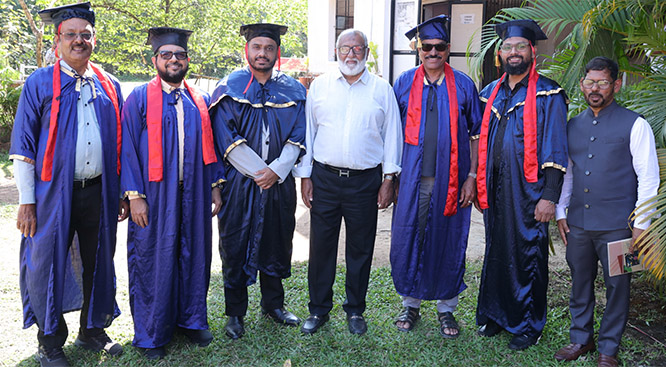
melkar1.jpg

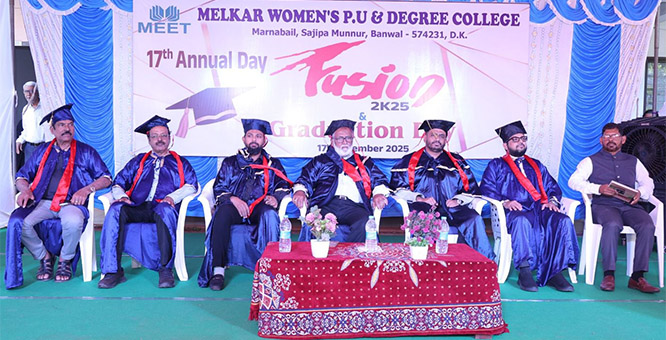
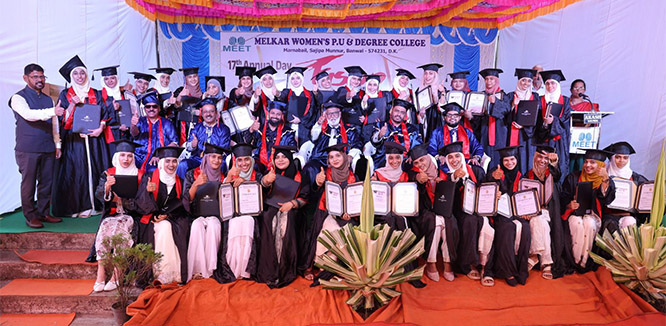
Melkar, Dec 17: The 17th Annual Day and Graduation Ceremony of Melkar Women’s PU and Degree College, themed “Fusion-2K25,” was celebrated with dignity and enthusiasm, marking a significant milestone in the institution’s academic journey. The programme reflected the college’s steadfast commitment to academic excellence, character building, and the holistic development of students.

The event was inaugurated by Mr. Asif Mohammed, whose presence greatly enriched the occasion. The celebration was further graced by the chief guests Mr. P. B. Ahmed Mudassir and Mr. Nissar Fakeer Mohammed, along with the distinguished guests of honour Mr. B. A. Nazeer and Mr. Ibrahim Gadiyar. In their inspiring addresses, the guests encouraged the graduating students and appreciated the dedicated efforts of the management, faculty, and students.

The annual report was presented by the Principal, Mr. Abdul Majeed S, highlighting the institution’s academic progress, notable achievements, and extracurricular accomplishments during the academic year.

The presidential address was delivered by the esteemed Chairman of Melkar Women’s PU and Degree College, Dr. Haji S. M. Rasheed, who emphasized the vital role of education in empowering women and shaping responsible citizens. He also stressed the importance of discipline, dedication, and perseverance in achieving success.

Cultural programmes and academic recognitions formed an integral part of the celebration, showcasing the talents and achievements of the students. The graduation ceremony was a proud moment for the outgoing students as they were formally conferred degrees and wished success in their future endeavours.

Ms. Mashmooma Fathima served as the Master of Ceremonies. The welcome address was delivered by Ms. Fathima Nida, and the programme concluded with a vote of thanks proposed by Ms. Ayisha Suhana.

The event successfully achieved its objectives and was highly appreciated by the guests and attendees.

melkar3.jpg

melkar2.jpg

Comments

Add new comment

  • Coastaldigest.com reserves the right to delete or block any comments.
  • Coastaldigset.com is not responsible for its readers’ comments.
  • Comments that are abusive, incendiary or irrelevant are strictly prohibited.
  • Please use a genuine email ID and provide your name to avoid reject.
News Network
December 7,2025

SHRIMP.jpg

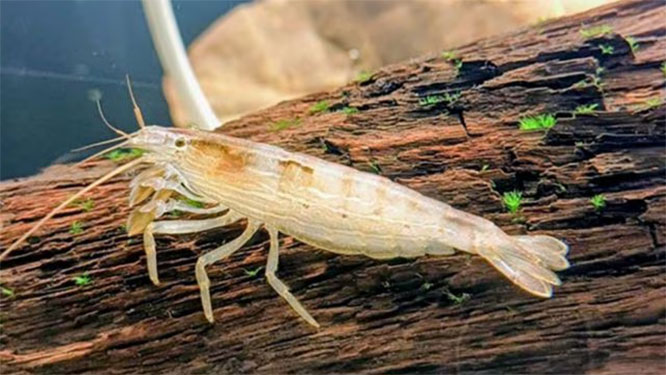
Mangaluru, Dec 7: A rare bamboo shrimp has been rediscovered on mainland India more than 70 years after it was last reported, confirming for the first time the presence of Atyopsis spinipes in the country. The find was made by researchers from the Centre for Climate Change Studies at Sathyabama Institute of Science and Technology, Chennai, during surveys in Karnataka and Odisha.

The team — shrimp expert Dr S Prakash, PhD scholar K Kunjulakshmi, and Mangaluru-based researcher Maclean Antony Santos — combined field surveys, ecological assessments and DNA analysis to identify the elusive species. Their findings, published in Zootaxa, resolve decades of taxonomic confusion stemming from a 1951 report that misidentified the species as Atyopsis moluccensis without strong evidence.

The shrimp has now been confirmed at two locations: the Mulki–Pavanje estuary near Mangaluru and the Kuakhai River in Bhubaneswar. Historical specimens from the Andaman Islands, previously labelled as A. moluccensis, were also found to be misidentified and actually belong to A. spinipes.

The rediscovery began after an aquarium hobbyist in Odisha spotted a shrimp in 2022, prompting systematic surveys across Udupi, Karwar and Mangaluru. Four female specimens were collected in Mulki and one in Odisha, all genetically matching.

Researchers warn the species may exist in very small, vulnerable populations as freshwater habitats face increasing pressure from pollution, sand mining and infrastructure development. All verified specimens have been deposited with the Zoological Survey of India for future reference.

Comments

Add new comment

  • Coastaldigest.com reserves the right to delete or block any comments.
  • Coastaldigset.com is not responsible for its readers’ comments.
  • Comments that are abusive, incendiary or irrelevant are strictly prohibited.
  • Please use a genuine email ID and provide your name to avoid reject.