



Lucknow, July 8: Uttar Pradesh Shia Waqf Board chairman Waseem Rizvi said Muslims, who don't keep moustache with beard are "fundamentalists."
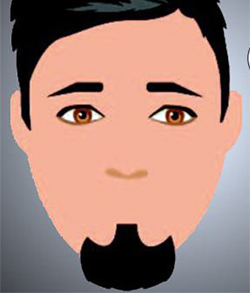
"Keeping beard is Sunnat. However, keeping beard without moustache is against Sunnat as the person looks fearful. Muslims with beard and no moustache are fundamentalists. Such people can be seen promoting terrorism across the world," Rizvi said in a statement here.
He apparently is against those Muslim organisations which issue fatwa by interfering in personal lives of others.
"We have few Muslims, who issue fatwa by interfering in the personal life of others. They forget that Islam has nothing to do with this. Those who issue fatwa in such cases should be booked as traitors because nobody has the right to go against the Constitution of India and make their own laws," Rizvi said.
"Some Muslims in India are getting influenced by the terrorist activities of ISIS in Jammu and Kashmir. This is not good. This can lead to violence in the country. It's important to take strict actions against such Muslims," he added.
Rizvi was recently accorded y+ security by the Uttar Pradesh government.


Comments
Most Islamic scholars and schools of thought agree that the mustache should be faded or trimmed to ensure hygienic practice so the hair does not touch the lip. Along the lines of hygiene, Muslim men are also instructed to keep their beards at an appropriate length, which, according to Abu Huraira is a fist length. Chin scruff and light stubble do not cut it.
I think he himself should start practicing what he says.
Thanks for chaning the Headline CD.
CD, very wicked you are. On headlines it says UP Wakf Board and on the inside it is UP Shia Wakf board. Shias are simply not Muslims. Infact their religion is Shiaism!
This man seems to be no knowledge of Islam and got highest postion in the waqf board.
The hadees clearly says, GROW THE BEARD AND SHORTEN TEH MOUTACHE.
Shorten how much., it can go interpreted to minimal length of zero.
How does a man look like terrorist by shaving anything. A man with longer moustache really look like terrorist, that is the reason, it is much encouraged or practiced in military and police.
Some smaller ranked police constable even though they are very slim they look fearful with moustache.
I dont give my own fatwa or decree but wrongly and Misguiding religious ruling is worst than anything.
Those who misguide in the name of Hadees and Quran are more punishable as per Hadees.
May Allah guide him and all to understand and pracice the truth.
MUQ MAAFI
Add new comment