



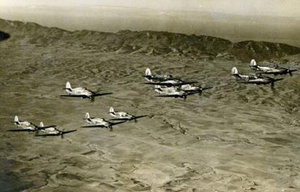
The upcoming feature-length film Mademoiselle France Pleure (Miss France is in Tears) attempts to piece together the lesser known fact about the 1.4 million Indian soldiers and civilian workers who came to France and Belgium to defend France’s freedom against invasion.
“The soldiers faced various hardships, casualties and diseases in the war. The feature-length documentary attempts to show their specific situations within the British Army and hospitals,” says Vijay Singh, an Indian filmmaker and novelist based in Paris.
Mr. Singh, who has shot critically acclaimed feature films such as Jaya Ganga and One Dollar Curry in the past was in New Delhi recently to announce the project and firm up plans to shoot in countries including India, France, Austria and Belgium.
“Everybody remembers India’s freedom struggle, but very few or in fact nobody would remember the contribution made by Indian soldiers during the World War I about the role played by Indian soldiers during the World War I,” says Mr. Singh.
The filmmaker attempts to show various tragicomic situations faced by the French and the British while feeding Indian soldiers according to their strict religious beliefs and the hospitality of French hostesses, which won the hearts of Indian soldiers during their convalescence in French barns.
With the initiative of the French government and embassy, Mr. Singh, says he has been successful in gathering testimonies from the archives and descendents, in France, India, Belgium and the UK of the brave soldiers out of which 10,000 did not even return home.
There are accounts of the soldiers who fell in love with French women during their stay in France and had children with them.
“In one such camp when the Indian soldiers were going to the battlefield, the French women carried placards which read — “Miss France in Tears”, says Mr. Singh explaining the title of his documentary.
Mr. Singh’s film also features a 71-year-old woman whose grandfather was an Indian. The woman’s narrative is among the numerous interviews, which make up the documentary.
A part of the feature film was shot in Chamba, Uttarakhand where the Gabbar Singh Negi Mela is still held every year on April 21 for the past 94 years with assistance from the Chatwal Regiment of the Indian Army.
The filmmaker has interviewed people who recount that the French were spellbound when they saw the Sikh soldiers combing their hair or tying their turbans and the spectacle of Indian soldiers having a bath in between two trains or even the khaki shorts they donned.
“What astonished the French was the huge cavalry and cattle that the Indian regiment had arrived with. Special costumes that were nothing but long leggings arranged for the Gorkhas made them look like minions,” Mr. Singh says.
The upcoming documentary is set to include a high profile ceremony of the Neuve Chapelle Battle Memorial (a memorial which has been set up to pay tribute to the Indian soldiers in France) in 2015.
“It would be a ceremony to commemorate 100 years of the World War I. The event would be marked by a parade and different events to commemorate the historic day (July 14) when World War 1 began” Singh says.
The soldiers wrote about their experiences in around 600 letters when they were in hospitals, records of which are maintained in the Haryana Academy of Art and Culture.
“Soldiers used to send one rupee from their monthly salary to the academy, which went towards education of students,” says the filmmaker.
Mr. Singh says he researched for the past three years for the film, which is set to be made in various languages and would be produced by France Television.
The glimpses of the footage which the director showed in the programme were a product of a three-year-long research.
The footage have been obtained from the French Production House, the British Production House, the Imperial War Museum and the British Library.
“Not many pictures have been available of the Indian soldiers except the ones from the hospitals where King George V had gone to visit them,” Mr. Singh says.
Mr. Singh has used rare film footage, photographs, portraits, Indian war songs, sound recordings, interviews with the descendants of the soldiers.
“This is a remarkable example of what India and France can do together. The history of both the countries is not known in detail and this documentary will promote the relationship between both the countries,” says an official from the French Embassy, where Singh showed some photographs from his upcoming film at an event recently.

Comments
Add new comment