Mangaluru police chief calls for self regulation of the media

[email protected] (CD Network)
July 1, 2016

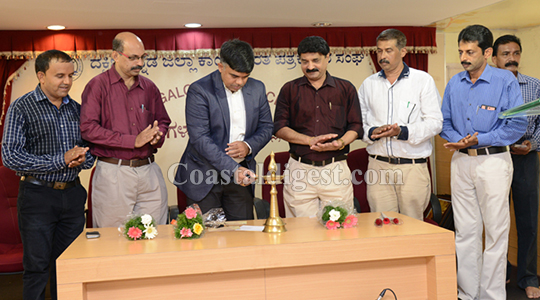
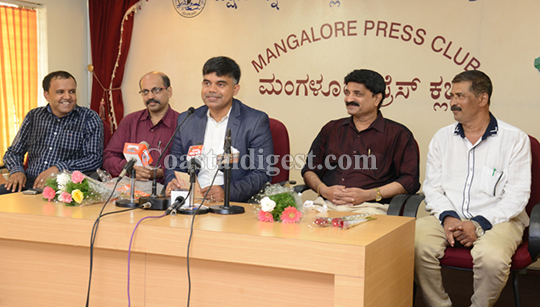
Mangaluru, Jun 1: Media, which plays a key role in a democratic country, should adopt steps to regulate itself, according to Mangaluru City Police Commissioner M Chandra Sekhar.

juorno 1

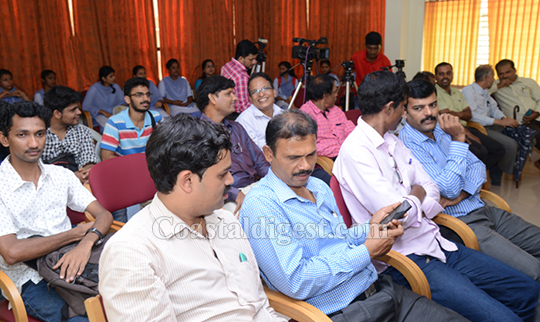
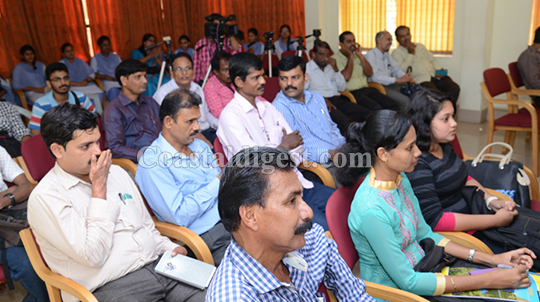
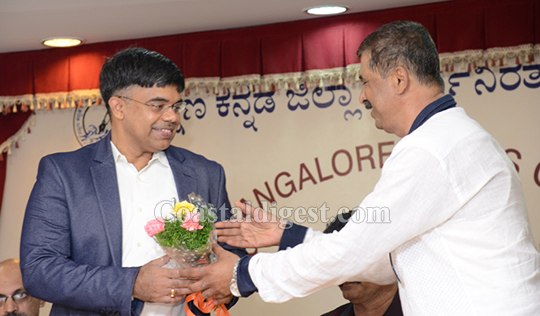
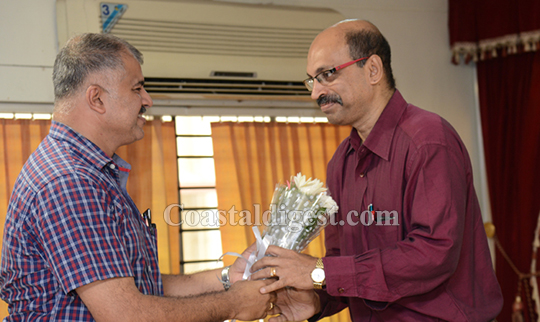
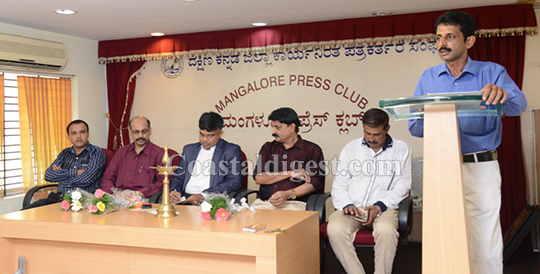
He was speaking after inaugurating the Press Day programme organised by Dakshina Kannada District Working Journalists' Association,  Press Club and Patrika Bhavan Trust at Press Club Hall in the city on Friday.

He said that the media had been playing an important role in ensuring that the executive, judiciary and the legislature functioned in the right way. The media, which represented the civic society, had been keeping a close watch on the functioning of the three pillars of democracy.

“Even for the best of people, laxity sets in. It is important to know somebody is watching. It makes you walk on the right path,” he said.

Speaking on the occasion, journalist Manohar Prasad, who was the chief guest on the occasion, said the press should deepen the positive social perspective by focusing more on social relations, which are getting diluted these days.

He recalled the history of Mangalura Samachara, the first newspaper published in Kannada and started on July 1, 1843, in Mangaluru.

Roshni Nilaya, Mangaluru, Dean Prof Joslyn Lobo, speaking on Social Networking Sites, Media and Society', lamented that in an unfortunate development, the social networking sites are being used for character assassination. These days, people are confined to internet, which has increased restlessness. Also, information overload is an issue, he added.

District Working Journalist Association president Jagannath?Shetty Bala and General Secretary Shrinivas Nayak Indaje and others were present on the occasion.

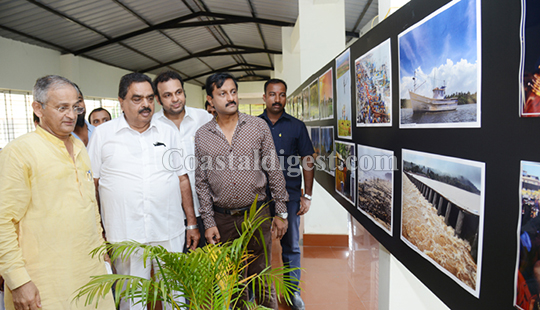
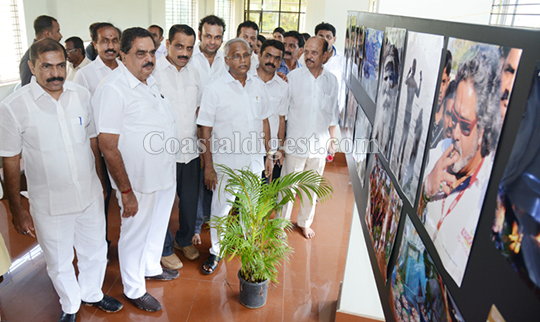
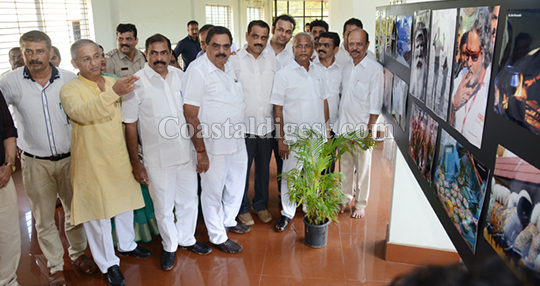
Photographs taken by photo journalists from different newspapers were exhibited. The Dakshina Kannada District Working Journalists Association organised the programme to mark the 173th anniversary of the start of first Kannada newspaper Mangaluru Samachar' by Herman Mogling of Basel Mission.

juorno 3

juorno 6

juorno 7

juorno 8

juorno 10

juorno 11

juorno 13

juorno 14

JournoN 1

JournoN 2

JournoN 3

JournoN 4

JournoN 5

JournoN 6

JournoN 7

JournoN 8

JournoN 9

JournoN 10

juorno 2

Comments

Add new comment

  • Coastaldigest.com reserves the right to delete or block any comments.
  • Coastaldigset.com is not responsible for its readers’ comments.
  • Comments that are abusive, incendiary or irrelevant are strictly prohibited.
  • Please use a genuine email ID and provide your name to avoid reject.
News Network
December 7,2025

SHRIMP.jpg

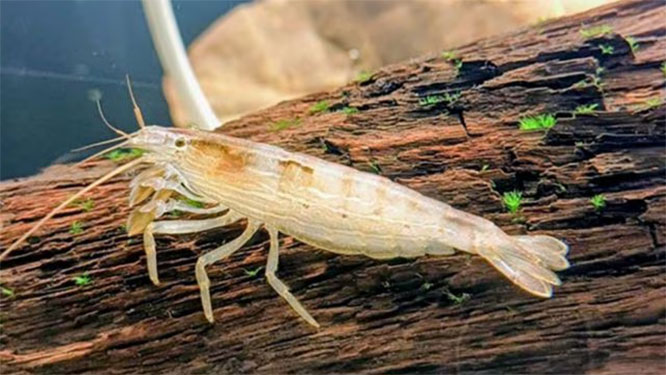
Mangaluru, Dec 7: A rare bamboo shrimp has been rediscovered on mainland India more than 70 years after it was last reported, confirming for the first time the presence of Atyopsis spinipes in the country. The find was made by researchers from the Centre for Climate Change Studies at Sathyabama Institute of Science and Technology, Chennai, during surveys in Karnataka and Odisha.

The team — shrimp expert Dr S Prakash, PhD scholar K Kunjulakshmi, and Mangaluru-based researcher Maclean Antony Santos — combined field surveys, ecological assessments and DNA analysis to identify the elusive species. Their findings, published in Zootaxa, resolve decades of taxonomic confusion stemming from a 1951 report that misidentified the species as Atyopsis moluccensis without strong evidence.

The shrimp has now been confirmed at two locations: the Mulki–Pavanje estuary near Mangaluru and the Kuakhai River in Bhubaneswar. Historical specimens from the Andaman Islands, previously labelled as A. moluccensis, were also found to be misidentified and actually belong to A. spinipes.

The rediscovery began after an aquarium hobbyist in Odisha spotted a shrimp in 2022, prompting systematic surveys across Udupi, Karwar and Mangaluru. Four female specimens were collected in Mulki and one in Odisha, all genetically matching.

Researchers warn the species may exist in very small, vulnerable populations as freshwater habitats face increasing pressure from pollution, sand mining and infrastructure development. All verified specimens have been deposited with the Zoological Survey of India for future reference.

Comments

Add new comment

  • Coastaldigest.com reserves the right to delete or block any comments.
  • Coastaldigset.com is not responsible for its readers’ comments.
  • Comments that are abusive, incendiary or irrelevant are strictly prohibited.
  • Please use a genuine email ID and provide your name to avoid reject.