Neotra vs Traditional Slab Materials: What’s Best for Your Home?

Business Desk
August 27, 2025

fruit.jpg

Selecting the right surface material is one of the most critical decisions when building or renovating a home. From kitchens to bathrooms and every space in between, your choice influences durability, hygiene, aesthetics, and ease of maintenance. For decades, the conversation has revolved around traditional materials such as quartz, marble, and granite. While these materials have long been the benchmark for elegance and strength, evolving lifestyle demands such as higher hygiene standards, longer-lasting durability, and effortless maintenance have highlighted their limitations. This is where a new contender steps in. 

Meet Neotra: a next-generation engineered surface designed to combine the timeless beauty of natural stone with cutting-edge performance. In this comparison, we’ll explore why Neotra for kitchen countertops and other applications is rapidly becoming the smarter alternative to traditional slab materials.

What Are Traditional Slab Materials?

Before looking at why Neotra is revolutionising the market space, let’s first review what traditional options offer and where they fall short.

●    Quartz: Engineered stone made from natural quartz crystals mixed with resin and pigments. Known for being non-porous and relatively durable, it remains a popular choice for countertops and vanities.

●    Marble: A natural stone known for its elegance and classic veining. However, it is highly porous and easily stained, requiring extra care.

●    Granite: Another natural stone, granite is durable and heat-resistant but requires sealing to prevent stains.

●    Ceramic or Tile Slabs: Cost-effective and easy to customise, but prone to chipping and grout line issues.

While these traditional materials each have their strengths, they all carry drawbacks—whether in hygiene, durability, or maintenance. That’s why Neotra offers a smarter, more advanced solution that addresses these gaps without compromise.

Where Does Neotra Stand as a Surface Material?

Neotra is a next-generation engineered surface designed for the demands of modern living. It delivers the elegance of natural stone combined with state-of-the-art performance features such as superior hygiene, scratch resistance, and effortless maintenance. In short, Neotra represents the perfect union of beauty and technology.

Now, let’s examine how Neotra compares to quartz, marble, granite, and other traditional options across key performance factors.

1. Hygiene and Safety

One of the top priorities in modern homes, especially post-2020, is hygiene. Surfaces need to be safe for food preparation, resistant to bacteria, and easy to keep clean.

●    Quartz: Non-porous, which helps resist bacteria, but offers no active antimicrobial protection. Requires regular cleaning with non-abrasive products.

●    Marble/Granite: Both are porous and can absorb liquids, leading to bacterial growth if not sealed properly. Marble is particularly vulnerable to acids and staining.

●    Neotra: Engineered with advanced antibacterial, antiviral, antifungal, and anti-algae properties, Neotra actively inhibits microbial growth. Its non-porous, liquid-repellent structure ensures that spills do not seep in, delivering superior hygiene for every home.

2. Durability and Scratch Resistance

Your home’s surfaces should be able to take a beating, withstand cutting, sliding pots, and everyday impact, while staying beautiful.

●    Quartz: Durable, but can scratch with sharp knives or heavy use. Heat can also cause discolouration.

●    Marble: Prone to scratching, especially with sharp or heavy kitchenware. A soft stone that chips easily.

●    Granite: Strong and scratch-resistant, but not immune to wear over time.

    Neotra: With patented Neo Senso and Neo-Forte technology by premium Brands like Neotrastones, Neotra combines a soft-touch feel with remarkable scratch and abrasion resistance. Scoring 8+ on the Mohs hardness scale, it endures years of heavy use without losing its flawless look.

3. Heat and Fire Resistance

Kitchen surfaces, in particular, need to withstand sudden temperature changes and direct heat.
    Quartz: Contains resin, which can scorch or discolour under high heat.

●    Marble/Granite: Natural stone can withstand moderate heat but may crack with sudden temperature changes.

●    Neotra: Fully heat-resistant and fire-resistant, you can safely place hot pots, pans, or trays directly on the surface without fear of damage.

4. Maintenance and Cleaning

Modern homeowners want surfaces that are easy to clean and don’t require constant upkeep.

●    Quartz: Low maintenance but sensitive to harsh chemicals and abrasive cleaners.

●    Marble: Requires sealing and frequent polishing. Stains easily and is sensitive to acids like lemon juice and vinegar.

●    Granite: Requires periodic sealing. It can get dull over time.

●    Neotra: Resistant to detergents, cleaning agents, and chemicals. No sealing or polishing needed. A simple wipe with a soft cloth is enough to keep it clean.

5. Aesthetic Appeal

Looks matter, especially in spaces like kitchens, bathrooms, and dining areas where design meets functionality.

●    Quartz: Offers a wide variety of colours and patterns but often lacks the richness of natural textures.

●    Marble: Undeniably beautiful but inconsistent in patterning and vulnerable to fading.

●    Granite: Strong visual appeal with natural variation.

●    Neotra: Combines the elegance of natural stone with modern colour palettes and seamless finishes. Available in a wide range of tones, textures, and matte or glossy finishes that are fade-resistant and timeless.

6. Food-Safe Certification

Food safety is essential for kitchens, especially those with kids or elderly family members.

●    Quartz: Generally safe, but not all slabs are food-contact certified.

●    Marble: Not recommended for direct food contact due to porosity and chemical reactivity.

●    Granite: Can be food-safe when sealed properly, but sealing must be maintained.

●    Neotra: Fully safe for direct food contact with certification. Its non-toxic surface is ideal for meal prep, baking, and daily use.

7. Environmental and Health Considerations

In an era of eco-conscious living, more people are asking: Is my surface safe for my health and the planet?

●    Quartz: Uses resins that may emit VOCs (volatile organic compounds) if not properly manufactured.

●    Marble/Granite: Natural but mined, which may not be environmentally sustainable.

●    Neotra: Free from formaldehyde, harmful particles, and toxic emissions. A clean, green material that aligns with modern sustainability goals.

8. Versatility of Application

Can your surface be used in more places than just the kitchen?

●    Quartz/Marble: Commonly used for countertops, but limitations exist when it comes to outdoor or high-traffic commercial applications.

●    Neotra: Ideal for kitchen countertops, bathroom vanities, wall cladding, utility areas, tabletops, and even outdoor kitchens, thanks to its frost and UV resistance.

Final Verdict: Neotra vs Quartz Slabs and Traditional Stones

If you want a future-ready home that prioritises durability, hygiene, and effortless style, Neotra stands out as the superior choice. Our comparison of Neotra vs quartz and other traditional materials shows how it excels where older options fall short.

For those who refuse to compromise whether on aesthetics, performance, or sustainability Neotra delivers it all.  

Comments

Add new comment

  • Coastaldigest.com reserves the right to delete or block any comments.
  • Coastaldigset.com is not responsible for its readers’ comments.
  • Comments that are abusive, incendiary or irrelevant are strictly prohibited.
  • Please use a genuine email ID and provide your name to avoid reject.
News Network
November 21,2025

Bengaluru, Nov 21: The Karnataka government is facing pressure to overhaul its employment system after a high-level Cabinet sub-committee recommended the complete phase-out of job outsourcing in government offices, boards, and corporations by March 2028. The move is aimed at tackling a systemic issue that has led to the potential violation of constitutional reservation policies and the exploitation of workers.

The Call for Systemic Change

With over three lakh vacant posts currently being filled through private agencies on an outsource, insource, or daily wage basis, the sub-committee highlighted a significant lapse. "As a result, reservations are not being followed as per the Constitution and state laws. It’s an urgent need to take serious steps to change the system. It has been recommended to completely stop the system of outsourcing by March 2028," the panel stated in a document.

The practice of outsourcing involves private companies hiring workers to perform duties for a government agency. Critics argue this model results in lesser salaries, a lack of social security benefits (otherwise available to permanent government employees), and a failure to adhere to the provisions of Articles 14 and 15 of the Constitution, which guarantee equality before the law and prohibit discrimination.

The 'Bidar Model' as a Stop-Gap Solution

To regulate the current mode of employment and reduce worker exploitation until the 2028 deadline, the government plans to establish workers’ services multi-purpose cooperative societies across all districts, following the successful "Bidar Model."

The Bidar District Services of Labour Multi-purpose Cooperative Society Ltd., which operates under the District Commissioner, is cited as a successful example of providing a measure of social security to outsourced staff. Labour Department officials argue this society ensures workers receive their due wages and statutory facilities like ESI (Employees' State Insurance) and PF (Provident Fund), in exchange for a 1% service fee collected from the employees.

legislative push and Priority Insourcing

The recommendations, led by the sub-committee headed by Law and Parliamentary Affairs Minister H K Patil, are set to be discussed at the next Cabinet meeting. The committee has proposed the introduction of the Karnataka Outsourced Employees (Regulation, Placement and Welfare) Bill 2025.

In a move addressing immediate concerns, Labour Minister Santosh Lad, a member of the sub-committee, has reportedly assured that steps will be taken over the next 2-3 years to insource workers in "life-threatening services" on a priority basis. This includes essential personnel like pourakarmikas (sanitation workers), drivers, electrical staff in the Energy Department, and Health Department staff handling contagious diseases. The transition aims to grant these workers the long-term security and benefits they currently lack under the outsourcing system. 

Comments

Add new comment

  • Coastaldigest.com reserves the right to delete or block any comments.
  • Coastaldigset.com is not responsible for its readers’ comments.
  • Comments that are abusive, incendiary or irrelevant are strictly prohibited.
  • Please use a genuine email ID and provide your name to avoid reject.
Media Release
November 24,2025

novel2.jpg

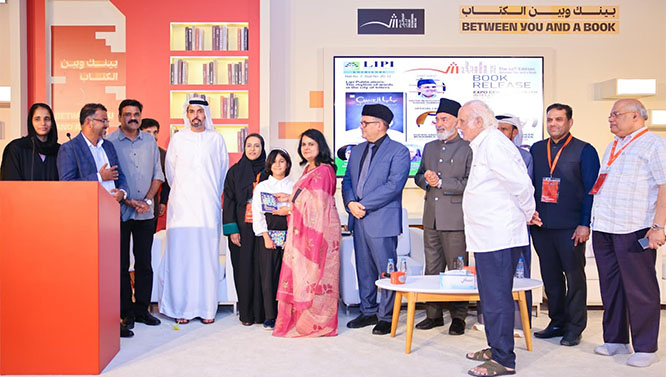
Sharjah, UAE: Ayisha Basheer Esra, a talented young writer hailing from Aramboor in Dakshina Kannada’s Sullia taluk, marked a significant milestone in her burgeoning literary career with the launch of her debut novel, The Betrayal of the Kingdom, at the Sharjah International Book Fair. The prestigious event, recognized as the world’s largest book fair, provided a fitting stage for the unveiling of Esra’s work.

The official release ceremony was conducted by Sheikh Abdullah bin Mohammed Al Qasimi, Director of the Religious Affairs Office of the Sharjah Government and a distinguished member of the royal family, underscoring the significance of Esra’s achievement. Mrs. Lini Shivaprasad, Principal of GEMS Millennium School, Sharjah, had the honor of receiving the first copy of the novel.

The event was graced by the presence of numerous distinguished guests, reflecting the widespread recognition of Esra’s literary talent and the anticipation surrounding her debut novel. Among the notable attendees were Syed Panakkad Munawwarali Shihab Tangal, Dr. Mariam Al Shenasi, the UAE’s renowned writer and Head of Dar Al Yasmin Publications, Dr. K. K. N. Kurup, Retired Vice Chancellor of Calicut University and Historian, Sharjah Businessman Shamsuddin Bin Mohideen, Nizar Talangara, President of the Sharjah Indian Association, V. T Salim, Director of Silver Home Real Estate, Munir Al Wafa, MD of Lipi Publication Akbar, and other esteemed individuals.

At the remarkably young age of eight, Esra has already established herself as a prolific writer, authoring and publishing collections of short stories in addition to her newly released full-length novel. Her dedication to writing and her exceptional talent have positioned her as one of the youngest authors to achieve such literary success. 

Esra is the daughter of Basheer and Haseena, residents of Aramboor, Sullia, and currently a student at Sharjah’s GEMS Millennium School. Her early accomplishments serve as an inspiration to aspiring young writers and a testament to the power of nurturing creativity from a young age.

novel1.jpg

Comments

Add new comment

  • Coastaldigest.com reserves the right to delete or block any comments.
  • Coastaldigset.com is not responsible for its readers’ comments.
  • Comments that are abusive, incendiary or irrelevant are strictly prohibited.
  • Please use a genuine email ID and provide your name to avoid reject.
News Network
November 26,2025

Mangaluru, Nov 26: Mangaluru East police have registered a case following a sophisticated online fraud where a 57-year-old local resident was allegedly cheated out of ₹13.4 lakh after being targeted on Facebook.

The scam began in February when the complainant, while browsing Facebook reels, was contacted by a woman identifying herself as "Lillian Mary George" from London. After establishing a chat relationship, the woman claimed she would visit India in November and bring a significant sum of money.

The trap was sprung on November 15, when the victim received a call from a woman named "Sonali Gupta," who claimed Lillian had arrived at Mumbai International Airport but was detained by customs. The fraudsters convinced the man that Lillian was carrying £25,000 (about ₹26 lakh) in traveller’s cheques and 1 kg of gold (valued at around ₹30 lakh).

Under the pretense of clearing these items, the victim was asked to make numerous online transfers between November 15 and 18 for various bogus charges, including:

•    "Pounds exchange registration"
•    "Customs declaration issues"
•    "Discount charges"
•    "Money-laundering charges"

Believing the fictitious story, the complainant transferred the cumulative sum of ₹13.4 lakh to various bank accounts provided by the fraudsters. He realised he was cheated when the culprits later promised a refund within two days but stopped answering his calls. The Mangaluru East police are now investigating the case, which highlights the continuing threat of transnational cyber fraud using social engineering and promises of fictitious wealth.

Comments

Add new comment

  • Coastaldigest.com reserves the right to delete or block any comments.
  • Coastaldigset.com is not responsible for its readers’ comments.
  • Comments that are abusive, incendiary or irrelevant are strictly prohibited.
  • Please use a genuine email ID and provide your name to avoid reject.