Nipah: People in coastal Karnataka urged to take precautions, not panic | Here’s a list of Dos and Don’ts

coastaldigest.com news network
May 23, 2018

Mangaluru/Udupi, May 23: Officials in Dakshina Kannada and Udupi districts of coastal Karnataka have urged the people to take maximum precautionary measures and not panic over Nipah virus that has claimed at least a dozen lives in neighbouring Kerala.

The twin districts have been put on high alert after two suspected case of Nipah were surfaced in Mangaluru yesterday. All private hospitals have been asked to notify such cases.

Dakshina Kannada District Health and Family Welfare Officer M Ramakrishna Rao, said that the people suffering from chronic diseases and immunity problems are susceptible to the infection.

The doctor advised people to drink boiled water and wash their hands properly. After exposure to the virus it would take three to 18 days to develop symptoms such as cold, cough, fever, convulsion and nausea, he said.

Meanwhile, Udupi Deputy Commissioner Priyanka Mary Francis, who on Tuesday chaired a meeting over the prevention of Nipah virus at the District Offices Complex, said that people should strictly avoid eating fruits bitten by birds and which had fallen below trees. People should eat fruits only after cleaning them properly and removing their peels. They should wash their hands and keep them clean, she said.

She directed the Health Department to give information about the virus to all anganwadi workers and junior health workers. Pamphlets about the precautions should be distributed to the general public. All the doctors should be told about the Standard Operating Procedure through the IMA, Ms. Francis said.

The symptoms of Nipah fever include fever, head ache, fainting and nausea. In a few cases, symptoms could also include choking, stomach pain, vomiting, fatigue and blurred vision.

The experts have issued a guideline of Do’s and Don’ts for preventing the spread of Nipah virus fever.

The Dos are:

• Isolate infected livestock, such as pigs, horses, dogs and cats as they act as the intermediate host

• Suspected human cases should be isolated

• Clothes, utensils of suspected cases and items typically used in the toilet or bathroom to be cleaned separately and maintained hygienically

• Avoid hand shake and wash hands properly after contacting infected people

• Wear mask and gloves while tending to patients

• Wash, peel and/or cook all fruits thoroughly before eating

• Visit the nearest health centre for any flu-like illness

The Don’ts are:

• Do not eat fruits that may have been bitten by birds and animals

• Do not drink toddy/neera collected from areas where bats are found in large numbers

• Precautionary measures should be taken when visiting infected areas

• Avoid contact with sick persons’ body secretions (saliva, sweat, urine, etc.)

• Relatives should try to refrain from hugging or kissing their dead.

Also Read: From Malaysia to Kerala: All you need to know about the deadly Nipah virus

Comments

Rahul
 - 
Wednesday, 23 May 2018

Actually media sensationalising. Sitution is under control. Centre certified that

Danish
 - 
Wednesday, 23 May 2018

Thank you CD for the information

Add new comment

  • Coastaldigest.com reserves the right to delete or block any comments.
  • Coastaldigset.com is not responsible for its readers’ comments.
  • Comments that are abusive, incendiary or irrelevant are strictly prohibited.
  • Please use a genuine email ID and provide your name to avoid reject.
News Network
December 7,2025

SHRIMP.jpg

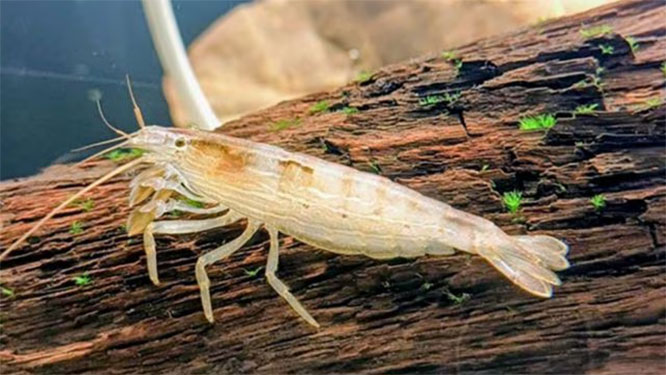
Mangaluru, Dec 7: A rare bamboo shrimp has been rediscovered on mainland India more than 70 years after it was last reported, confirming for the first time the presence of Atyopsis spinipes in the country. The find was made by researchers from the Centre for Climate Change Studies at Sathyabama Institute of Science and Technology, Chennai, during surveys in Karnataka and Odisha.

The team — shrimp expert Dr S Prakash, PhD scholar K Kunjulakshmi, and Mangaluru-based researcher Maclean Antony Santos — combined field surveys, ecological assessments and DNA analysis to identify the elusive species. Their findings, published in Zootaxa, resolve decades of taxonomic confusion stemming from a 1951 report that misidentified the species as Atyopsis moluccensis without strong evidence.

The shrimp has now been confirmed at two locations: the Mulki–Pavanje estuary near Mangaluru and the Kuakhai River in Bhubaneswar. Historical specimens from the Andaman Islands, previously labelled as A. moluccensis, were also found to be misidentified and actually belong to A. spinipes.

The rediscovery began after an aquarium hobbyist in Odisha spotted a shrimp in 2022, prompting systematic surveys across Udupi, Karwar and Mangaluru. Four female specimens were collected in Mulki and one in Odisha, all genetically matching.

Researchers warn the species may exist in very small, vulnerable populations as freshwater habitats face increasing pressure from pollution, sand mining and infrastructure development. All verified specimens have been deposited with the Zoological Survey of India for future reference.

Comments

Add new comment

  • Coastaldigest.com reserves the right to delete or block any comments.
  • Coastaldigset.com is not responsible for its readers’ comments.
  • Comments that are abusive, incendiary or irrelevant are strictly prohibited.
  • Please use a genuine email ID and provide your name to avoid reject.
News Network
December 19,2025

Mangaluru: In a decisive move to tackle the city’s deteriorating sanitation infrastructure, the Mangaluru City Corporation (MCC) has announced a massive ₹1,200 crore action plan to overhaul its underground drainage (UGD) network.

The initiative, spearheaded by Deputy Commissioner and MCC Administrator Darshan HV, aims to bridge "missing links" in the current system that have left residents grappling with overflowing sewage and environmental hazards.

The Breaking Point

The announcement follows a high-intensity phone-in session on Thursday, where the DC was flooded with grievances from frustrated citizens. Residents, including Savithri from Yekkur, described a harrowing reality: raw sewage from apartments leaking into stormwater drains, creating a "permanent stink" and turning residential zones into mosquito breeding grounds.

"We are facing immense difficulties due to the stench and the health risks. Local officials have remained silent until now," one resident reported during the session.

The Strategy: A Six-Year Vision

DC Darshan HV confirmed that the proposed plan is not a temporary patch but a comprehensive six-year roadmap designed to accommodate Mangaluru’s projected population growth. Key highlights of the plan include:

•    Infrastructure Expansion: Laying additional pipelines to connect older neighborhoods to the main grid.

•    STP Crackdown: Stricter enforcement of Sewage Treatment Plant (STP) regulations. While new apartments are required to have functional STPs, many older buildings lack them entirely, and several newer units are reportedly non-functional.

•    Budgetary Push: The plan has already been discussed with the district in-charge minister and the Secretary of the Urban Development Department. It is slated for formal presentation in the upcoming state budget.

Comments

Add new comment

  • Coastaldigest.com reserves the right to delete or block any comments.
  • Coastaldigset.com is not responsible for its readers’ comments.
  • Comments that are abusive, incendiary or irrelevant are strictly prohibited.
  • Please use a genuine email ID and provide your name to avoid reject.
News Network
December 7,2025

Mangaluru, Dec 7: A 34-year-old fruit and vegetable trader in Mangaluru has reportedly lost ₹33.1 lakh after falling victim to an online investment scam run through a fake mobile app.

Police said the scam began in September, when the victim received a link on Facebook. Clicking it connected him to a WhatsApp number, where an unidentified person introduced a high-return investment scheme and instructed him to download an app.

To build trust, the fraudster asked him to invest ₹30,000 on September 24. The trader soon received ₹34,000 as “profit,” convincing him the scheme was genuine. Over the next two months, he transferred money in multiple instalments via Google Pay and IMPS to different scanner codes and bank accounts shared by the scammers. Between September 24 and December 3, he ended up sending a total of ₹33.1 lakh.

When he later requested a refund of his investment and promised returns, the scammers demanded additional payments, claiming he needed to pay a “service tax” first. Even after he paid a small amount, no money was returned, and the scammers continued pressuring him for more.

A case has been registered at the CEN Crime Police Station.

Comments

Add new comment

  • Coastaldigest.com reserves the right to delete or block any comments.
  • Coastaldigset.com is not responsible for its readers’ comments.
  • Comments that are abusive, incendiary or irrelevant are strictly prohibited.
  • Please use a genuine email ID and provide your name to avoid reject.