'Over 27-cr people in India moved out of poverty between 2005 and 2016'

Agencies
September 21, 2018

United Nations, Sept 21: Over 270 million people in India moved out of poverty in the decade since 2005-06 and the poverty rate in the country nearly halved over the 10-year period, a promising sign that poverty is being tackled globally, according to latest estimates released Thursday.

The 2018 global Multidimensional Poverty Index (MPI) released here by the United Nations Development Programme (UNDP) and the Oxford Poverty and Human Development Initiative (OPHI) said that about 1.3 billion people live in multidimensional poverty globally.

This is almost a quarter of the population of the 104 countries for which the 2018 MPI is calculated. Of these 1.3 billion, almost half - 46 percent - are thought to be living in severe poverty and are deprived in at least half of the dimensions covered in the MPI, it said.

While there is much that needs to be done to tackle poverty globally, there are "promising signs that such poverty can be - and is being - tackled."

The Index noted that in India, 271 million people moved out of poverty between 2005/06 and 2015/16. The poverty rate in the country has nearly halved, falling from 55 percent to 28 percent over the ten-year period.

India is the first country for which progress over time has been estimated.

"Although the level of poverty particularly in children is staggering so is the progress that can be made in tackling it. In India alone some 271 million have escaped multidimensional poverty in just ten years," UNDP Administrator Achim Steiner said.

"The Multidimensional Poverty Index gives insights that are vital for understanding the many ways in which people experience poverty, and it provides a new perspective on the scale and nature of global poverty while reminding us that eliminating it in all its forms is far from impossible," he said.

Although similar comparisons over time have not yet been calculated for other countries, the latest information from UNDP's Human Development Index shows significant development progress in all regions, including many Sub-Saharan African countries.

Between 2006 and 2017, the life expectancy increased over seven years in Sub-Saharan Africa and by almost four years in South Asia, and enrollment rates in primary education are up to 100 per cent.

This bodes well for improvements in multidimensional poverty.

The estimates further showed that half of all people living in poverty are younger than 18 years old. The new figures show that in 104 primarily low and middle-income countries, 662 million children are considered multidimensionally poor.

In 35 countries half of all children are poor. The MPI looks beyond income to understand how people experience poverty in multiple and simultaneous ways.

It identifies how people are being left behind across three key dimensions: health, education and living standards, lacking such things as clean water, sanitation, adequate nutrition or primary education.

Those who are deprived in at least of a third of the MPI's components are defined as multidimensionally poor.

The 2018 figures, which are now closely aligned with the Sustainable Development Goals, cover almost three-quarters of the world's population.

Multidimensional poverty is found in all developing regions of the world, but it is particularly acute and significant in Sub-Saharan Africa and South Asia.

In Sub-Saharan Africa, about 560 million people (58 percent of the population) are living in multidimensional poverty, 342 million (61 percent of those living in multidimensional poverty) of them severely so.

While in South Asia 546 million people (31 percent of the population) are multidimensionally poor, 200 million of them (37 percent) severely so.

Figures for the other regions are less severe and range from 19 percent of people in the Arab States living in multidimensional poverty, to two per cent of those living in countries covered by the dataset in Europe and Central Asia. Within countries there is also considerable disparities. The 2018 MPI is available for 1,101 subnational regions showing within-country variations in multidimensional poverty levels for 87 countries.

The latest data also reveals the vast majority 1.1 billion of the multidimensional poor live in rural areas around the world, where poverty rates, at 36 percent, are four times higher than among those living in urban areas.

"The Multidimensional Poverty Index is a powerful tool for examining global poverty and communicating useful facts. Not only does it allow us to understand how different countries are faring in their fight against poverty, but it helps us to better understand who the poor are, where they are and the many different ways in which they experience poverty,” OPHI Director Sabina Alkire said.

Traditional poverty measures – often calculated by numbers of people who earn less than USD 1.90 a day – shed light on how little people earn but not on whether or how they experience poverty in their day-to-day lives. The MPI provides a complementary picture of poverty and how it impacts people across the world.

While the MPI's core data look at those who are poor, and the subset who are severely poor, the numbers also look at those very close to becoming poor. These people, while not quite multidimensionally poor, are living precariously and struggling to remain above the poverty line.

Comments

Add new comment

  • Coastaldigest.com reserves the right to delete or block any comments.
  • Coastaldigset.com is not responsible for its readers’ comments.
  • Comments that are abusive, incendiary or irrelevant are strictly prohibited.
  • Please use a genuine email ID and provide your name to avoid reject.
News Network
December 16,2025

SMR1.jpg

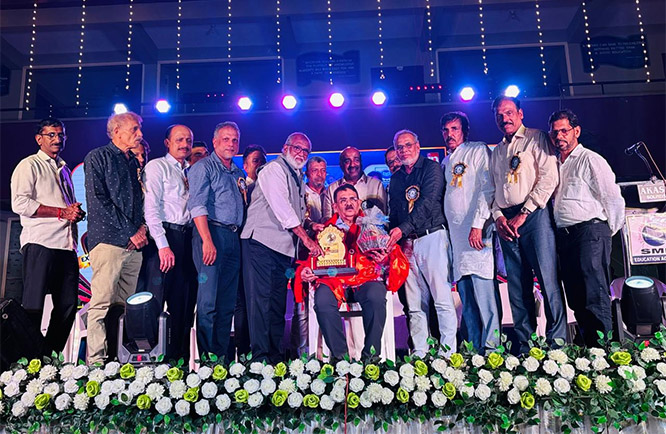
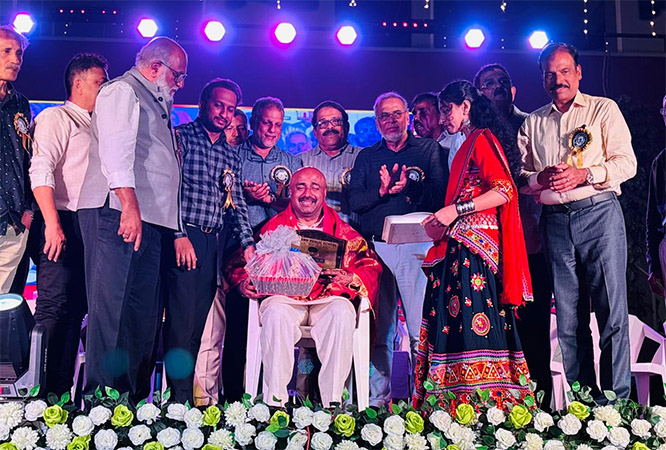
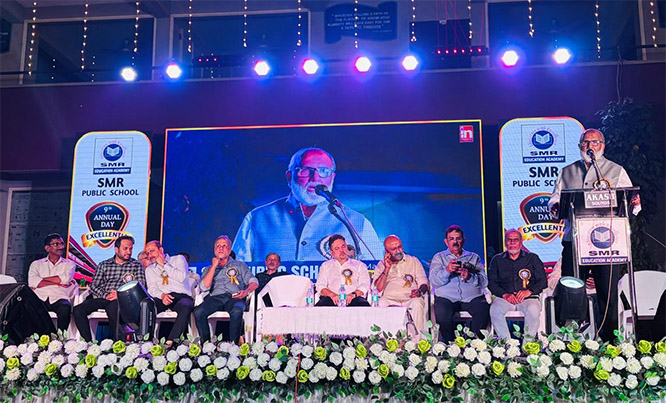
Melkar (Bantwal): The 9th Annual Day celebration of SMR Public School, titled “EXCELLENTIA”, was held on December 15 with great enthusiasm and dignity, marking a significant milestone in the institution’s journey towards academic excellence and holistic development.

The programme was inaugurated by Dr. U. T. Iftikar Ali. The chief guests were Dr. Akhtar Hussain, Mr. P. Moosabba Beary, Mr. Zakaria Jokattre, and Dr. T. M. Abdul Rahuf—whose inspiring addresses motivated the students and appreciated the school’s contributions to education.

Mr. Abdul Nasir, Mr. Ibrahim Gadiyar, Mr. Razak Golthamajal, Mr. Sali Koya, Mr. Arshad Hussain, Mr. Ismail Balanoor, Mr. Feroz Bawa, Mr. Sahul Hameed, Mr. Abubakkar, Mr. Hameed K. Mani, Mr. Abdul Majeed (Principal, Melkar Women’s College), and Mr. Abdul Lathief (Former Principal, Melkar Women’s College) were the guests of honour.

The Annual Report was presented by the Headmistress, Ms. Fathimathul Zaheera, highlighting the school’s achievements and progress during the academic year. The Presidential Address was delivered by the Chairman of SMR Public School, Dr. Haji S. M. Rasheed, who emphasised the vital role of education in shaping students’ futures and stressed the importance of discipline, dedication, and consistent effort in achieving 100 per cent academic results.

Secretary of SMR Public School, Mr. Rifath Ahmed, and PTA President, Mr. Sandeep Kumar, were also present on the occasion.

The Annual Day celebration showcased the collective efforts of students and teachers and reaffirmed the school’s commitment to quality education and all-round development. The programme concluded with a vote of thanks, expressing gratitude to all dignitaries, parents, and well-wishers for their support. The 9th Annual Day—EXCELLENTIA—was a memorable and successful event, leaving a lasting impression on everyone present. 

SMR3.jpg

SMR2.jpg

Comments

Add new comment

  • Coastaldigest.com reserves the right to delete or block any comments.
  • Coastaldigset.com is not responsible for its readers’ comments.
  • Comments that are abusive, incendiary or irrelevant are strictly prohibited.
  • Please use a genuine email ID and provide your name to avoid reject.
News Network
December 7,2025

SHRIMP.jpg

Mangaluru, Dec 7: A rare bamboo shrimp has been rediscovered on mainland India more than 70 years after it was last reported, confirming for the first time the presence of Atyopsis spinipes in the country. The find was made by researchers from the Centre for Climate Change Studies at Sathyabama Institute of Science and Technology, Chennai, during surveys in Karnataka and Odisha.

The team — shrimp expert Dr S Prakash, PhD scholar K Kunjulakshmi, and Mangaluru-based researcher Maclean Antony Santos — combined field surveys, ecological assessments and DNA analysis to identify the elusive species. Their findings, published in Zootaxa, resolve decades of taxonomic confusion stemming from a 1951 report that misidentified the species as Atyopsis moluccensis without strong evidence.

The shrimp has now been confirmed at two locations: the Mulki–Pavanje estuary near Mangaluru and the Kuakhai River in Bhubaneswar. Historical specimens from the Andaman Islands, previously labelled as A. moluccensis, were also found to be misidentified and actually belong to A. spinipes.

The rediscovery began after an aquarium hobbyist in Odisha spotted a shrimp in 2022, prompting systematic surveys across Udupi, Karwar and Mangaluru. Four female specimens were collected in Mulki and one in Odisha, all genetically matching.

Researchers warn the species may exist in very small, vulnerable populations as freshwater habitats face increasing pressure from pollution, sand mining and infrastructure development. All verified specimens have been deposited with the Zoological Survey of India for future reference.

Comments

Add new comment

  • Coastaldigest.com reserves the right to delete or block any comments.
  • Coastaldigset.com is not responsible for its readers’ comments.
  • Comments that are abusive, incendiary or irrelevant are strictly prohibited.
  • Please use a genuine email ID and provide your name to avoid reject.
News Network
December 19,2025

Mangaluru: In a decisive move to tackle the city’s deteriorating sanitation infrastructure, the Mangaluru City Corporation (MCC) has announced a massive ₹1,200 crore action plan to overhaul its underground drainage (UGD) network.

The initiative, spearheaded by Deputy Commissioner and MCC Administrator Darshan HV, aims to bridge "missing links" in the current system that have left residents grappling with overflowing sewage and environmental hazards.

The Breaking Point

The announcement follows a high-intensity phone-in session on Thursday, where the DC was flooded with grievances from frustrated citizens. Residents, including Savithri from Yekkur, described a harrowing reality: raw sewage from apartments leaking into stormwater drains, creating a "permanent stink" and turning residential zones into mosquito breeding grounds.

"We are facing immense difficulties due to the stench and the health risks. Local officials have remained silent until now," one resident reported during the session.

The Strategy: A Six-Year Vision

DC Darshan HV confirmed that the proposed plan is not a temporary patch but a comprehensive six-year roadmap designed to accommodate Mangaluru’s projected population growth. Key highlights of the plan include:

•    Infrastructure Expansion: Laying additional pipelines to connect older neighborhoods to the main grid.

•    STP Crackdown: Stricter enforcement of Sewage Treatment Plant (STP) regulations. While new apartments are required to have functional STPs, many older buildings lack them entirely, and several newer units are reportedly non-functional.

•    Budgetary Push: The plan has already been discussed with the district in-charge minister and the Secretary of the Urban Development Department. It is slated for formal presentation in the upcoming state budget.

Comments

Add new comment

  • Coastaldigest.com reserves the right to delete or block any comments.
  • Coastaldigset.com is not responsible for its readers’ comments.
  • Comments that are abusive, incendiary or irrelevant are strictly prohibited.
  • Please use a genuine email ID and provide your name to avoid reject.