Swallowing chicken could make you immune to antibiotics!

July 31, 2014

New Delhi, Jul 31: Each time you eat chicken, you could also be consuming a cocktail of antibiotics. A lab study released by Centre for Science and Environment (CSE) found antibiotic residues in 40% of chicken samples bought from outlets in Delhi and NCR.
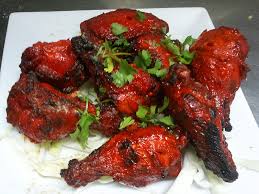
chiken
While the amount of antibiotics found in each sample was not very high, experts said regular consumers of such meat could be in danger of developing antibiotic resistance. In other words, eating chicken with drug traces over a period of time could make you immune to important antibiotics prescribed to treat common illnesses.

The study said it had evidence of large scale and reckless use of antibiotics by poultry owners, which can also lead to antibiotic-resistant bacterial strains in the chicken itself.

CSE said it conducted the study after being alerted by doctors, including Bangalore-based cardiac surgeon Devi Shetty, about a rising trend of antibiotic resistance among patients.

CSE said 22.9% of the 70 samples it collected contained residues of one antibiotic while 17.1% had more than one. One sample purchased from Gurgaon was found to have a cocktail of as many as three antibiotics.

The CSE report, released on Wednesday, said poultry owners routinely pumped antibiotics into chicken during their short life of about 35 to 42 days, to promote growth so that they look bigger and also to treat or prevent infections. India has no law to regulate antibiotic use in the poultry sector.
CSE's research team tested chicken samples at its Pollution Monitoring Laboratory. Three tissues in each sample were tested — muscle, kidney and liver. Residues of five of the six antibiotics were found in all three tissues of the samples in the range of 3.37 to 131.75 micrograms per kg.

According to Dr Shetty, after a researcher conducted a study on antibiotic resistance at his hospital, they found about 10% of the patients to be resistant to common antibiotics.

"These are people who probably haven't taken antibiotics before. They are villagers. We started thinking it could be caused from the food they are eating. That is why I approached CSE to do a study and now the data says it all," he said on a live video chat from Bangalore during the presentation of the findings.

Dr Shetty also said that the likelihood of becoming antibiotic resistant after eating chicken depends on how often we eat chicken. "If you are eating poultry chicken on a daily basis then you could be at a higher risk. That is why I asked my family to get only village reared chicken not the poultry ones," he said.

Dr Randeep Guleria, head pulmonary medicine at AIIMS said he wasn't surprised that antibiotics were entering the food chain through poultry.

"The findings aren't surprising. It's a big concern and in the last few years after the NDM 1 superbug scare, the medical community has been raising concern about indiscriminate use of antibiotics in poultry and agriculture," Dr Guleria said.

Said Chandra Bhushan, CSE's deputy director general, "Our study is only the tip of the iceberg. There are many more antibiotics that are rampantly used that the lab has not tested," Bhushan said.

When contacted by TOI, Union health minister Harsh Vardhan said he would react to the findings only after reading the entire lab report.

CSE also conducted a review of 13 research studies on antibiotic resistance (ABR) in India since 2002 and found that ABR levels were very high for ciprofloxacin and doxycycline, both used for illnesses such as diarrhoea, pneumonia, urinary tract infections and others. High level residues of the same antibiotics were found in chicken samples tested by CSE. The problem according to CSE is compounded by the fact that antibiotics that are essential for humans are now being used in the poultry industry.

"In India there is growing evidence that resistance to fluoroquinolones such as ciprofloxacin is rapidly increasing. Treating fatal diseases like sepsis, pneumonia and tuberculosis (TB) with fluoroquinolones is becoming tough because microbes that cause these diseases are increasingly becoming resistant to fluoroquinolones," a CSE statement said.
What is even more shocking is that poultry farmers seem to have no qualms about accepting that they use high levels of antibiotics and that these antibiotics are widely available, bought easily without any prescription.

A CSE researcher made investigative videos of a farm in Haryana where the poultry staff are seen briefing him about the use of antibiotics. Another researcher bought bags of antibiotics from Karnal and even from Bhagirath Palace in Delhi.

Shopkeepers said the antibiotics are imported from China. The chicken samples for the study were collected from randomly selected shops, both small and big and also some branded outlets. Since these outlets were randomly selected, the trend is likely to be similar in most parts of the country, researchers asserted.

CSE has made a set of recommendations to deal with the problem. It has called for a ban on use of antibiotics as growth promoters and for mass disease prevention. Antibiotics critical for humans should not be allowed in the poultry industry and antibiotics should not be used as a feed additive, it said and asked for government regulation of the poultry feed industry.

Interestingly, the ongoing Indo-US dialogue has the import of free chicken legs on its agenda. Considering that US has only voluntary standards for antibiotic usage in poultry and that 80% of antibiotics there are given to farm animals, CSE head Sunita Narain said India should be cautious. "The government should think about allowing import of chicken legs from a country with such poor regulations," she said.

Comments

Add new comment

  • Coastaldigest.com reserves the right to delete or block any comments.
  • Coastaldigset.com is not responsible for its readers’ comments.
  • Comments that are abusive, incendiary or irrelevant are strictly prohibited.
  • Please use a genuine email ID and provide your name to avoid reject.
News Network
December 19,2025

Mangaluru: Public transport in Mangaluru is set for a state-led transformation as the government moves to deploy 100 new electric govt buses to replace unreliable private services. The initiative aims to provide a dependable alternative to private operators who have been frequently "cutting trips," leaving thousands of commuters stranded.

The announcement was made by Deputy Commissioner and MCC Administrator Darshan HV during a public phone-in session. The move specifically targets routes where private bus service has become erratic, ensuring that citizens no longer have to rely on a fluctuating private sector for their daily commute.

Restoring the Govt Presence

The transport crisis was brought to the forefront by Ramayya, a resident of Bajal, who highlighted a growing trend of private buses skipping morning and night trips. With the previous KSRTC (govt) services discontinued, residents have been left without a fallback option.

To fix this, the DC confirmed that the PM-eBus Sewa Scheme will bring 100 government-owned electric buses to the city:

•    Phased Deployment: The first 50 of the new 100 government buses are scheduled to arrive by March 2026.

•    State Infrastructure: Two new government depots, including one at Mudipu, are being prepared for operations.

•    Recruitment: The state has already begun training a new batch of government bus drivers to ensure the fleet is operational the moment it arrives.

Comments

Add new comment

  • Coastaldigest.com reserves the right to delete or block any comments.
  • Coastaldigset.com is not responsible for its readers’ comments.
  • Comments that are abusive, incendiary or irrelevant are strictly prohibited.
  • Please use a genuine email ID and provide your name to avoid reject.
News Network
December 19,2025

Mangaluru: In a decisive move to tackle the city’s deteriorating sanitation infrastructure, the Mangaluru City Corporation (MCC) has announced a massive ₹1,200 crore action plan to overhaul its underground drainage (UGD) network.

The initiative, spearheaded by Deputy Commissioner and MCC Administrator Darshan HV, aims to bridge "missing links" in the current system that have left residents grappling with overflowing sewage and environmental hazards.

The Breaking Point

The announcement follows a high-intensity phone-in session on Thursday, where the DC was flooded with grievances from frustrated citizens. Residents, including Savithri from Yekkur, described a harrowing reality: raw sewage from apartments leaking into stormwater drains, creating a "permanent stink" and turning residential zones into mosquito breeding grounds.

"We are facing immense difficulties due to the stench and the health risks. Local officials have remained silent until now," one resident reported during the session.

The Strategy: A Six-Year Vision

DC Darshan HV confirmed that the proposed plan is not a temporary patch but a comprehensive six-year roadmap designed to accommodate Mangaluru’s projected population growth. Key highlights of the plan include:

•    Infrastructure Expansion: Laying additional pipelines to connect older neighborhoods to the main grid.

•    STP Crackdown: Stricter enforcement of Sewage Treatment Plant (STP) regulations. While new apartments are required to have functional STPs, many older buildings lack them entirely, and several newer units are reportedly non-functional.

•    Budgetary Push: The plan has already been discussed with the district in-charge minister and the Secretary of the Urban Development Department. It is slated for formal presentation in the upcoming state budget.

Comments

Add new comment

  • Coastaldigest.com reserves the right to delete or block any comments.
  • Coastaldigset.com is not responsible for its readers’ comments.
  • Comments that are abusive, incendiary or irrelevant are strictly prohibited.
  • Please use a genuine email ID and provide your name to avoid reject.
News Network
December 17,2025

melkar1.jpg

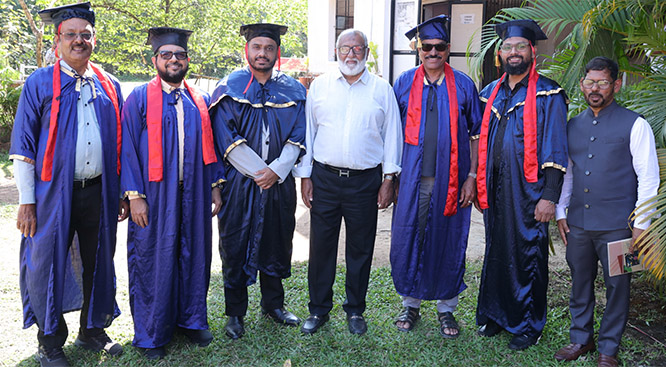
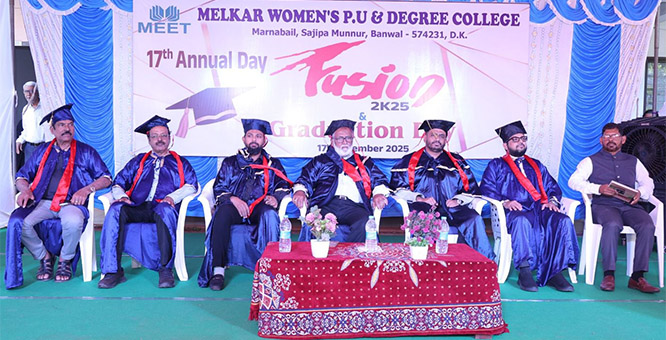
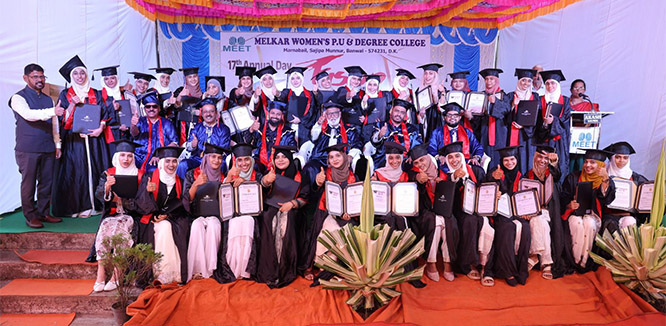
Melkar, Dec 17: The 17th Annual Day and Graduation Ceremony of Melkar Women’s PU and Degree College, themed “Fusion-2K25,” was celebrated with dignity and enthusiasm, marking a significant milestone in the institution’s academic journey. The programme reflected the college’s steadfast commitment to academic excellence, character building, and the holistic development of students.

The event was inaugurated by Mr. Asif Mohammed, whose presence greatly enriched the occasion. The celebration was further graced by the chief guests Mr. P. B. Ahmed Mudassir and Mr. Nissar Fakeer Mohammed, along with the distinguished guests of honour Mr. B. A. Nazeer and Mr. Ibrahim Gadiyar. In their inspiring addresses, the guests encouraged the graduating students and appreciated the dedicated efforts of the management, faculty, and students.

The annual report was presented by the Principal, Mr. Abdul Majeed S, highlighting the institution’s academic progress, notable achievements, and extracurricular accomplishments during the academic year.

The presidential address was delivered by the esteemed Chairman of Melkar Women’s PU and Degree College, Dr. Haji S. M. Rasheed, who emphasized the vital role of education in empowering women and shaping responsible citizens. He also stressed the importance of discipline, dedication, and perseverance in achieving success.

Cultural programmes and academic recognitions formed an integral part of the celebration, showcasing the talents and achievements of the students. The graduation ceremony was a proud moment for the outgoing students as they were formally conferred degrees and wished success in their future endeavours.

Ms. Mashmooma Fathima served as the Master of Ceremonies. The welcome address was delivered by Ms. Fathima Nida, and the programme concluded with a vote of thanks proposed by Ms. Ayisha Suhana.

The event successfully achieved its objectives and was highly appreciated by the guests and attendees.

melkar3.jpg

melkar2.jpg

Comments

Add new comment

  • Coastaldigest.com reserves the right to delete or block any comments.
  • Coastaldigset.com is not responsible for its readers’ comments.
  • Comments that are abusive, incendiary or irrelevant are strictly prohibited.
  • Please use a genuine email ID and provide your name to avoid reject.