New Zealanders reach out to Muslims in wake of worst terror attack

Agencies
March 16, 2019

Christchurch, Mat 16: New Zealand's stricken residents reached out to Muslims in their neighborhoods and around the country on Saturday (March 16), with a fierce determination to show kindness to a community in pain as a 28-year-old white supremacist stood silently before a judge, accused in mass shootings at two mosques that left 49 people dead.

Brenton Harrison Tarrant appeared in court amid strict security, shackled and wearing all-white prison garb, and showed no emotion when the judge read him one murder charge. The judge said "it was reasonable to assume" more such charges would follow. Tarrant, who posted an anti-immigrant manifesto online and apparently used a helmet-mounted camera to broadcast live video of the slaughter in the city of Christchurch, appeared to make a hand sign, similar to an OK sign, that is sometimes associated with white nationalists.

The massacre during Friday prayers prompted a heartfelt response from Prime Minister Jacinda Ardern, who pronounced it "one of New Zealand's darkest days" and said the shooter, an Australian native, had chosen to strike in New Zealand "because we represent diversity, kindness, compassion."

Her fellow countrymen seemed to want to prove her right by volunteering acts of kindness. Some offered rides to the grocery store or volunteered to walk with their Muslim neighbors if they felt unsafe.

In online forums, people discussed Muslim food restrictions as they prepared to drop off meals for those affected.

"Love always wins over hate. Lots of love for our Muslim brothers" read a handwritten card on a wall of flowers in a historic part of the city that stretched a full block.

Still, Muslims were advised to stay away from mosques while the nation's security alert remained at the second-highest level a day after the deadliest shooting in modern New Zealand history.

Ardern said 39 survivors remained hospitalized on Saturday with 11 critically wounded. But updates were slow to come, and many families were still waiting for news of their missing loved ones.

Outside one of the two mosques, 32-year-old Ash Mohammed pushed through police barricades in hopes of finding out what happened to his father and two brothers, whose cellphones rang unanswered. An officer stopped him.

"We just want to know if they are dead or alive," Mohammed told the officer.

Hungry for any news, families and friends of the victims gathered at the city's Hagley College, near the hospital.

They included Asif Shaikh, 44, who said he was among more than 100 people at the Al Noor mosque when the attacker came in. He said he survived by played dead, but was desperate to know what happened to his friends who were there with him.

"It's been 36 hours, I haven't heard anything about them," he said.

Nearby, Akhtar Khokhur leaned on the shoulders of her friend and cried as she held up her cellphone with an image of her husband.

"I still don't know where he is," she said.

Khokhur, 58, and husband Mehaboobbhai Khokhur, 65, had traveled from India to spend time with their son Imran, their first visit in the eight years since he moved to New Zealand. The couple was due to fly out Sunday.

Imran had dropped off his father, an electrical engineer, at the Al Noor mosque on Friday and was looking for a parking space when the shooting began. They have not heard from him since.

The gunman had posted a jumbled, 74-page manifesto on social media in which he identified himself as an Australian and white supremacist who was out to avenge attacks in Europe perpetrated by Muslims.

He livestreamed 17 minutes of the rampage at Al Noor mosque, where, armed with at least two assault rifles and a shotgun, he sprayed worshippers with bullets, killing at least 41 people. More people were killed in an attack on a second mosque a short time later.

Facebook, Twitter and Google scrambled to take down the gunman's video, which was widely available on social media for hours after the bloodbath.

The second attack took place at the Linwood mosque about 5 kilometers (3 miles) away.

The video showed the killer was carrying a shotgun and two fully automatic military assault rifles, with an extra magazine taped to one of the weapons so that he could reload quickly. He also had more assault weapons in the trunk of his car, along with what appeared to be explosives.

Two other armed suspects were taken into custody Friday while police tried to determine what role, if any, they played in the cold-blooded attack that stunned New Zealand, a country so peaceful that police officers rarely carry guns.

Tarrant's relatives in the Australian town of Grafton, in New South Wales, contacted police after learning of the shooting and were helping with the investigation, local authorities said. Tarrant has spent little time in Australia in the past four years and only had minor traffic infractions on his record.

Police Commissioner Mike Bush confirmed Tarrant was involved in both shootings but stopped short of saying he was the sole gunman.

During the Saturday morning hearing, a man who was not in court was charged with using writings to incite hatred against a race or ethnicity, but it was not clear if his case was related to the mosque attacks.

"We appear to primarily be dealing with one primary perpetrator, but we want to make sure that we don't take anything for granted in ensuring New Zealanders' safety," Ardern said.

New Zealand, with a population of 5 million, has relatively loose gun laws and an estimated 1.5 million firearms, or roughly one for every three people. But it has one of the lowest gun homicide rates in the world. In 2015, it had just eight.

Ardern said Tarrant was a licensed gun owner who bought the five guns used in the crimes legally.

"I can tell you one thing right now, our gun laws will change," Ardern said.

She did not offer too much detail, but said a ban on semi-automatic weapons would be looked at. Neighboring Australia has virtually banned semi-automatic rifles from private ownership since a lone gunman killed 35 people with assault rifles in 1996.

Before Friday's attack, New Zealand's deadliest shooting in modern history took place in 1990 in the small town of Aramoana, where a gunman killed 13 people following a dispute with a neighbor.

Comments

Add new comment

  • Coastaldigest.com reserves the right to delete or block any comments.
  • Coastaldigset.com is not responsible for its readers’ comments.
  • Comments that are abusive, incendiary or irrelevant are strictly prohibited.
  • Please use a genuine email ID and provide your name to avoid reject.
News Network
February 3,2026

Bengaluru: Following reports of fresh Nipah virus (NiV) cases in West Bengal and heightened vigilance across parts of Southeast Asia, the Karnataka Health Department has placed the state on high alert and activated emergency preparedness protocols.

Health officials said enhanced surveillance measures have been initiated after two healthcare workers in Barasat, West Bengal, tested positive for the virus earlier this month. While no cases have been reported in Karnataka so far, authorities said the state’s past exposure to Nipah outbreaks and high inter-state mobility warranted preventive action.

Officials have directed district health teams to intensify monitoring, particularly at hospitals and points of entry, and to ensure early detection and isolation of suspected cases.

High Mortality Virus with Multiple Transmission Routes

Nipah virus is a zoonotic disease that can spread from animals to humans and has a reported fatality rate ranging between 60 and 75 per cent. Fruit bats, also known as flying foxes, are the natural reservoirs of the virus and can transmit it by contaminating food sources with saliva or urine.

Known modes of transmission include:

•    Contaminated food: Consumption of fruits partially eaten by bats or raw date-palm sap
•    Animal contact: Exposure to infected pigs or other animals
•    Human-to-human transmission: Close contact with body fluids of infected persons, particularly in healthcare settings

Symptoms and Disease Progression

The incubation period typically ranges from 4 to 14 days, though delayed onset has also been reported. Early symptoms often resemble common viral infections, making prompt clinical suspicion critical.

•    Initial symptoms: Fever, headache, body aches, fatigue, sore throat
•    Progressive symptoms: Drowsiness, disorientation, altered mental state
•    Severe stage: Seizures, neck stiffness and acute encephalitis, which can rapidly progress to coma

Public Health Advisory

The Health Department has issued precautionary guidelines urging the public to adopt risk-avoidance practices to prevent any local spillover.

Do’s
•    Wash fruits thoroughly before consumption
•    Drink boiled and cooled water
•    Use protective equipment while handling livestock
•    Maintain strict hand hygiene

Don’ts
•    Avoid fruits found on the ground or showing bite marks
•    Do not consume beverages made from raw tree sap, including toddy
•    Avoid areas with dense bat populations
•    Do not handle sick or dead animals

Preparedness Measures

Officials confirmed that isolation wards are being readied in major government hospitals and that medical staff are being sensitised to identify early warning signs.

“There is no cause for panic, but there is a need for heightened vigilance,” a senior health official said, adding that there is currently no approved vaccine or specific antiviral treatment for Nipah, and care remains largely supportive.

Comments

Add new comment

  • Coastaldigest.com reserves the right to delete or block any comments.
  • Coastaldigset.com is not responsible for its readers’ comments.
  • Comments that are abusive, incendiary or irrelevant are strictly prohibited.
  • Please use a genuine email ID and provide your name to avoid reject.
News Network
February 3,2026

Kanchur2.jpg

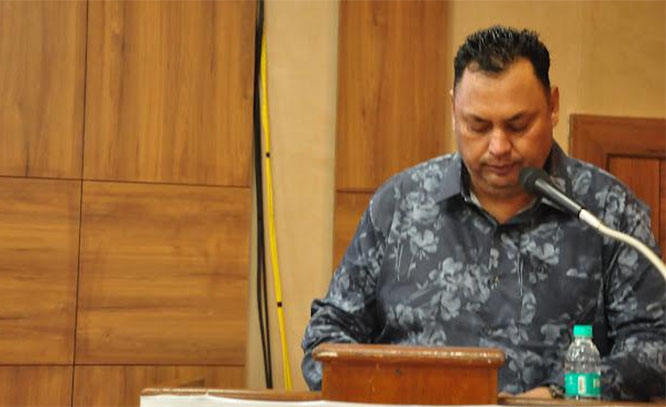
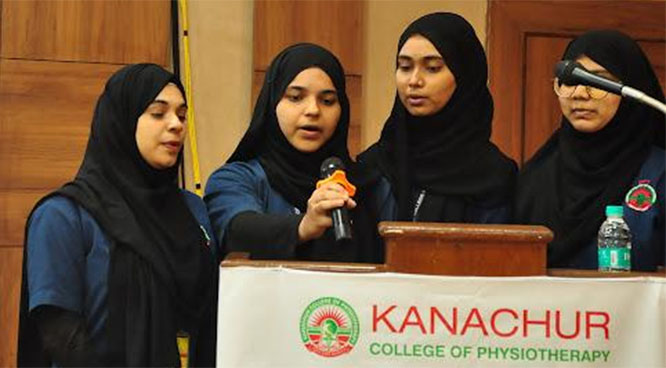
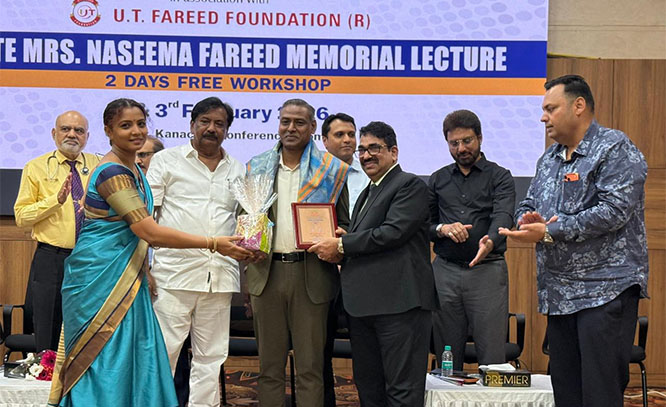
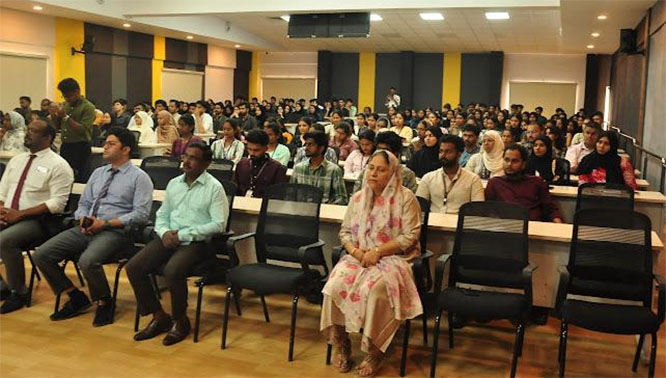
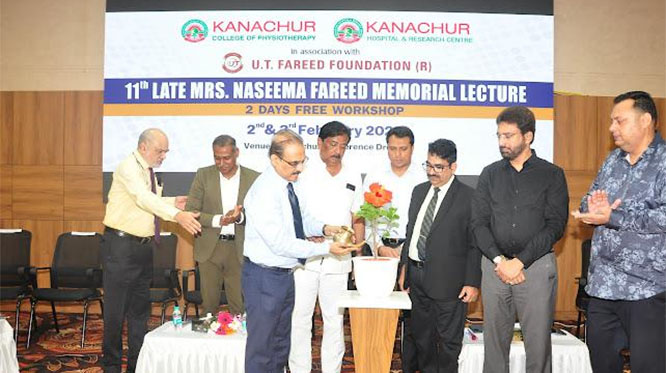
Mangaluru, Feb 3: Kanachur College of Physiotherapy and Kanachur Hospital & Research Centre, in association with U.T. Fareed Foundation (R), organised the 11th Late Mrs. Naseema Fareed Memorial Lecture on Tuesday.

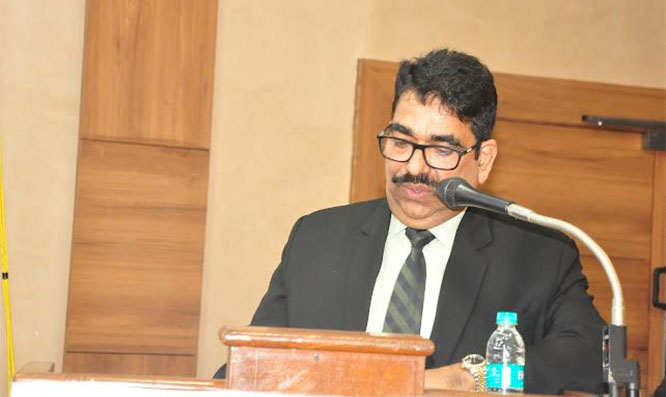
The programme was inaugurated by Dr. Subramanyam K, Head of the Department and Professor, Department of Cardiology, Srinivas Institute of Medical Sciences & Research Centre, Mangaluru. In his inaugural address, Dr. Subramanyam delivered an insightful talk highlighting the vital role of physiotherapy in modern medical care, particularly in cardiac rehabilitation, patient recovery, and improving overall quality of life through a multidisciplinary healthcare approach.

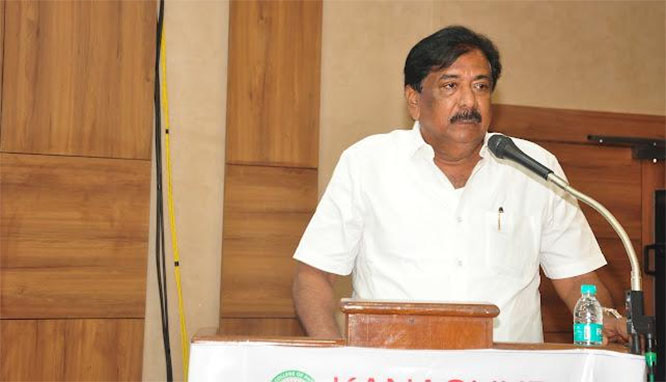
The presidential address was delivered by Dr. Haji U.K. Monu, Chairman, KIET. The keynote address was presented by Dr. Mohammed Ismail Hejamady, who spoke on the evolving scope and significance of physiotherapy.

The event was held in the presence of Mr. Abdul Rahiman, Director, Kanachur Institute of Medical Sciences, Mangaluru; Dr. Vaishali Sreejith, Senate Member, Rajiv Gandhi University of Health Sciences, Bengaluru; Dr. Sudhan S.G., Professor and Principal, Krupanidhi College of Physiotherapy, Bengaluru; Dr. Shanavaz Manipady, Dean, Kanachur Institute of Medical Sciences, Mangaluru; and Dr. Venkat Rai Prabhu, Member, Kanachur Health Science Advisory Council, Kanachur Hospital & Research Centre.

Dr. Mohammad Suhail, Dean, Kanachur College of Physiotherapy, welcomed the guests and delegates.

As part of the programme, a two-day free workshop was organised on the following topics:

•    Art of Practice in Cardiopulmonary Conditions by Dr. Sudhan S.G., Principal, Krupanidhi College of Physiotherapy

•    The Gift of Life – Organ Donation by Dr. Rohan Monis, Chief Administrative Medical Officer

•    Chest X-ray Interpretation by Dr. Hemanth, Department of Radiology, KIMS

•    Pulmonary Rehabilitation by Dr. Vijaya Kumar, Department of Respiratory Medicine, KIMS

Organisers noted that the memorial lecture series has been conducted continuously for the 11th year, benefiting interns and postgraduate students from various colleges across Mangaluru. A total of 130 delegates attended the workshop.

Dr. Reshma, Vice Principal, Kanachur College of Physiotherapy, Mangaluru, delivered the vote of thanks.

Kanchur7.jpg

Kanchur6.jpg

Kanchur5.jpg

Kanchur4.jpg

Kanchur3.jpg

Kanchur1.jpg

Comments

Add new comment

  • Coastaldigest.com reserves the right to delete or block any comments.
  • Coastaldigset.com is not responsible for its readers’ comments.
  • Comments that are abusive, incendiary or irrelevant are strictly prohibited.
  • Please use a genuine email ID and provide your name to avoid reject.
News Network
January 20,2026

iran.jpg

Iranian security and intelligence forces have captured more than 470 individuals in three provinces, identified as key figures behind the recent wave of violent unrest and terrorist activities linked to foreign-backed networks.

The Intelligence Ministry's provincial office in Khorasan Razavi announced on Monday the arrest of 192 armed terrorists, identified as the main agents behind recent riots in the region. 

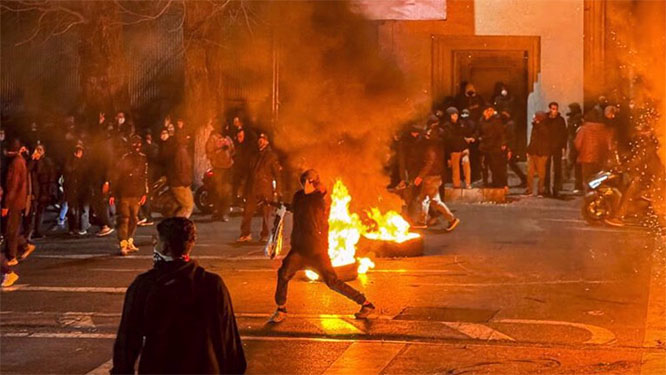
According to an official statement, the detainees were involved in the killing of several security personnel and civilians, setting fire to mosques, public service facilities, and buses, as well as attacks on military and law enforcement centers.

The seized items from the group include several bulletproof vests, Kalashnikov rifles, hunting weapons, Winchester rifles, and various cold weapons such as daggers, swords, brass knuckles, tactical knives, crossbows, and chains.

Evidence indicates that some of the individuals were tied to hostile movements and terrorist organizations, with links overseas. Others were identified as members of violent criminal gangs, actively taking part in the unrest alongside their associates.

Simultaneously, in the western province of Lorestan, the IRGC announced the arrest of 134 individuals as the main leaders and influential field agents of a US-Israeli terrorist network.

The IRGC statement stated that these individuals formed terrorist cells during the recent unrest, committing "Daesh-like" acts.

They wounded security forces with firearms and cold weapons, and burned and destroyed public and private properties, including mosques, shops, banks, and private and public vehicles.

In the northwestern province of Zanjan, the police reported detaining 150 people identified as principal leaders and agents behind recent riots.

Authorities noted that these individuals were responsible for destroying public and private property and intentionally setting fire to vehicles in the province's squares.

Their crimes include shedding the blood of innocent people, destroying public and private property, attempting to enter military sites, disrupting public order, and spreading terror among citizens.

A variety of cold weapons were reportedly seized from the detainees.

What began late last month as peaceful protests over economic hardship across Iran turned violent after public statements by US and Israeli regime figures encouraged vandalism and disorder.

During the unrest, foreign-backed mercenaries rampaged through cities, killing security forces and civilians and damaging public property.

Comments

Add new comment

  • Coastaldigest.com reserves the right to delete or block any comments.
  • Coastaldigset.com is not responsible for its readers’ comments.
  • Comments that are abusive, incendiary or irrelevant are strictly prohibited.
  • Please use a genuine email ID and provide your name to avoid reject.