



Riyadh, Jul 15: The Kingdom is well prepared to handle any infectious disease during the Haj season, according to a senior official at the World Health Organization (WHO).
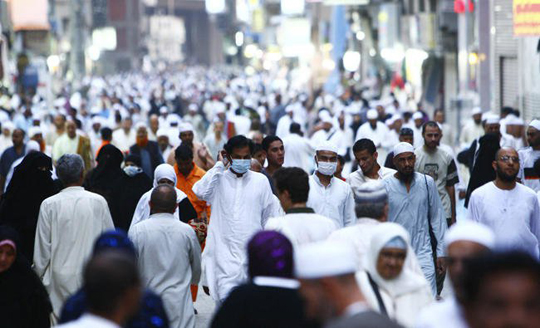
The Haj pilgrimage draws 2-4 million Muslims every year, including 1.5-2 million foreigners, raising the risk of diseases such as dengue, yellow fever, the Zika virus, meningococcal disease and cholera.
Dominique Legros, a WHO cholera expert, told a regular UN briefing that Saudi Arabia receives pilgrims from endemic countries, and it manages to prevent outbreaks by ensuring appropriate living and hygiene conditions. “They are well prepared in my view.”
Meanwhile, the Kingdom announced that vaccination against meningitis is mandatory for all local and international Haj pilgrims, while flu shots are recommended for their own safety.
According to a Health Ministry official, the Foreign Ministry has issued a circular to all Saudi missions abroad to follow health requirements of the Kingdom when issuing Haj visas to pilgrims.
He said health requirements for this year focus on several diseases such as the Zika virus, dengue, Middle East respiratory syndrome-coronavirus (MERS), yellow fever, cholera, meningitis and polio. He said that vaccinations should be taken at least 10 days before pilgrims arrive in the Kingdom.
He said vaccinations against meningitis are valid for three years. If infected, pilgrims coming from affected areas can cause an outbreak during the Haj season, he added.
Comments
Add new comment