



New Delhi, Nov 25: Delhi Metro lost over three lakh commuters a day after a steep fare hike came into effect on October 10, an RTI query has revealed
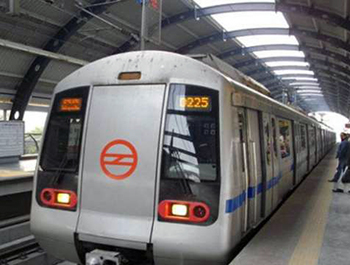
The metro's daily average ridership came down to 24.2 lakh in October from 27.4 lakh in September, translating to a fall of around 11 per cent
The Blue Line, considered the metro's busiest, lost over 30 lakh commuters, according to data shared by the Delhi Metro Rail Corporation (DMRC) in response to an RTI query by a PTI correspondent
The 50-km corridor connects Dwarka to Noida. The metro currently has a 218-km network across Delhi-NCR
The fall, in terms of absolute numbers, was over 19 lakh on the Yellow Line, another busy corridor which connects Gurgaon to north Delhi's Samaypur Badli, DMRC said
Ridership on the Violet Line, which connects ITO to Faridabad, plunged by 11.9 lakh in October. The number of riders on the Red Line, from Dilshad Garden to Rithala, came down by 7.5 lakh
Ridership has come down several notches from the numbers observed in recent years, bucking a trend of rise on the back of the launch of newer sections
In fact, in October 2016, the metro's daily average ridership was 27.2 lakh, despite a comparatively shorter operational route
DMRC effected the fare hike on October 10, leading to a rise of around Rs 10 for nearly every distance slab. This came barely five months of another hike of up to 100 per cent
The revised fare structure is: up to 2 km -- Rs 10, 2 to 5 km -- Rs 20, 5 to 12 km -- Rs 30, 12 to 21 km -- Rs 40, 21 to 32 km -- Rs 50 and for journeys beyond 32 km -- Rs 60
Till May, the metro transported around 28 lakh passengers daily. After the first phase of the hike in May, the metro lost nearly 1.5 lakh passengers per day in June as ridership dropped to 25.7 lakh
However, ridership picked up from around July
In July and August this year, Delhi Metro witnessed daily average ridership of 26.6 lakh and 27 lakh respectively
Last year, in July, August and September, the metro's daily average ridership figures were 26.9 lakh, 28.5 lakh and 28.4 lakh, respectively, reflecting a trajectory of sustained growth
DMRC -- which had maintained the fare hike was essential to maintain financial as well as operational health -- said in a statement that the drop in ridership is not solely because of increase in fares
Reacting to the report, it said the month of October had holidays owing to festivals such as Diwali, Chhath Pooja and Bhai Duj
"In the month of October there were 5 Sundays in comparison to 4 in September and ridership remains less on holidays than on weekdays. This monthly variation in ridership is dependent on multiple factors like seasons, vacations, holidays, festivals etc," it said
The Arvind Kejriwal-led AAP government had mounted stiff opposition to the hike, leading to a confrontation with the Centre
"That many passengers have taken to other means of transport, thus increasing pollution and congestion on roads
Metro fare hike has not benefited anyone," Kejriwal tweeted on Friday
"Delhi Metro admits in its RTI response to PTI that its ridership decreased by 11% following a steep fare hike in October. Result of misplaced priorities by an unaccountable Board!" Kejriwal's media advisor Nagendar Sharma added
Asked to comment on the drop in number of passengers, Union minister Vijay Goel said efforts would be made to increase the number of passengers
"If need be I will raise the issue of fare hike at the Centre," he said
His colleague, Union Minister of Housing and Urban Affairs Hardeep Singh Puri, had said earlier that the Centre was in no position to disregard the recommendations of a Fare Fixation Committee which had drawn up the revised fare list
Delhi Congress chief Ajay Maken also weighed in with his view and said both the Kejriwal government and the Centre were responsible for the fall in ridership
"The Delhi chief secretary was a part of the fare fixation panel. Kejriwal government gave DMRC chief Mangu Singh an extension of four years. The panel's report had come on September 2016. Was the Kejriwal government sleeping all this while?" he said on Twitter.

Comments
Add new comment