



Miami, Jun 4: World leaders convene at UN headquarters next week for the first major bid to solve the toughest problems facing our oceans, from coral bleaching to plastic pollution, overfishing and rising seas due to climate change.
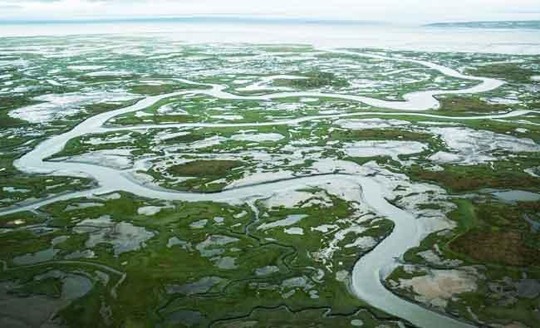
The Ocean Conference in New York June 5-9 attempts to rally nations big and small to make meaningful changes to preserve what is arguably the Earth's most important resource, experts say.
US President Donald Trump's recent decision to withdraw from the Paris climate accord is expected to be a hot topic at the talks, which no high-ranking US officials are expected to attend.
But despite Trump's decision Thursday to end US participation in the Paris deal, which drew worldwide condemnation, experts at the Pew Charitable Trust said the United States has been a part of crafting a broad “call to action,” and is expected to sign it.
“We are committed to halting and reversing the decline in the health and productivity of our ocean,” says the three-page document, which also expresses alarm at the impact of climate change on the ocean.
The call to action is expected to be signed and released some point during the week-long conference, which will bring government officials, ocean advocates and some heads of state to New York.
The US pullout from Paris means other nations will lead the way at the UN talks, particularly small island nations that have the most to lose.
“How can you worry about someone who is not in the room?” said Ambassador Ronny Jumeau, permanent representative to the United Nations for Seychelles.
“Look at who is here, who is sitting in the front row, and say, 'Now what are we going to do about this?'“
The world just marked its three hottest years in modern times. And the oceans have absorbed about one third of the carbon dioxide released by human activities, protecting the planet from the full brunt of climate change.
Melting glaciers and sea ice at the poles threatens swell sea level to the point of washing away entire islands and populated coastlines — home to 37 percent of the planet's population — in the coming decades.
Just 20 inches (half meter) of sea level rise could displace 1.2 million people from islands in the Caribbean Sea, Indian and Pacific Oceans.
Recent studies have shown the troubling extent of plastic pollution, even in the most remote parts of the world.
An uninhabited island in the south Pacific, Henderson Island, thousands of miles from civilization was recently shown to be piling up more than 3,500 pieces of plastic per day.
Even year, more than eight million ton of plastic washes into the oceans, costing at least $8 billion in damage to marine ecosystems and killing an estimated one million sea birds, 100,000 sea mammals and untold numbers of fish.
And famous coral reefs, such as Australia's Great Barrier Reef, are suffering from hot temperatures like never before in modern times, with mass bleaching and die-offs continuing unabated for the past two years.
“Small island states cannot afford to be dismayed or feel down or depressed about any of this,” said Jumeau during a UN press conference.
“We are reaching out to all the friends of the oceans that you can think of to meet the challenges that we face.”
Previous global meetings on problems facing the oceans have taken place, but the World Wildlife Fund's John Tanzer described this one as “historic” because the talks are under the auspices of the United Nations for the first time.
“The reality is that oceans have been in steep decline for at least the last 50 or 60 years,” Tanzer, global oceans lead at WWF, told AFP.
“Here we are in 2017, and it is impossible to talk of anywhere in the world's oceans as being pristine,” he said.
Specifically, nations will talk about how to meet the 2015 UN-adopted Sustainable Development Goal 14, to “conserve and sustainably use the oceans, seas, and marine resources.”
Targets include protecting at least 10 percent of coastal and marine environments by 2020, reducing ocean pollution and strengthening ways to fight illegal, unreported, and unregulated fishing.
A recent report found that illegal fishing in the Pacific has reached a “staggering” value of up to $740 million a year, with much of the problem blamed on fleets from the US, Asia and Europe which under-report their catches.
Individual nations and advocacy groups are already announcing voluntary steps they will take to conserve oceans and protect marine life.
Those pledges will be updated throughout the conference, and can be seen online at https://oceanconference.un.org/commitments.


Comments
Add new comment