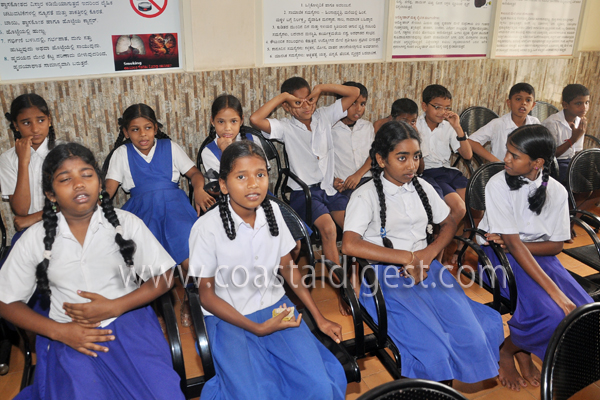
Food poisoning: students discharged from hospital; food suppliers warned

[email protected] (CD Network, Photos by Savitha B R )
February 9, 2012

joseph1_copy


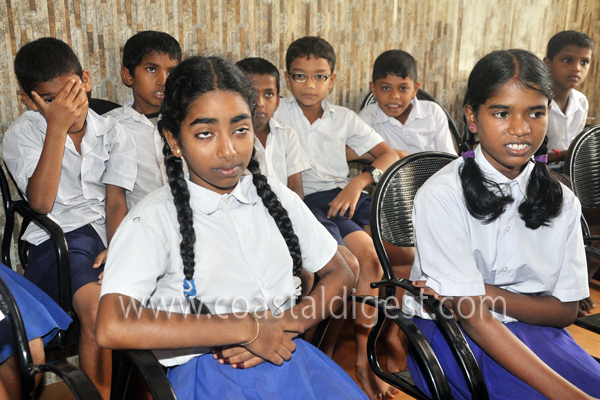
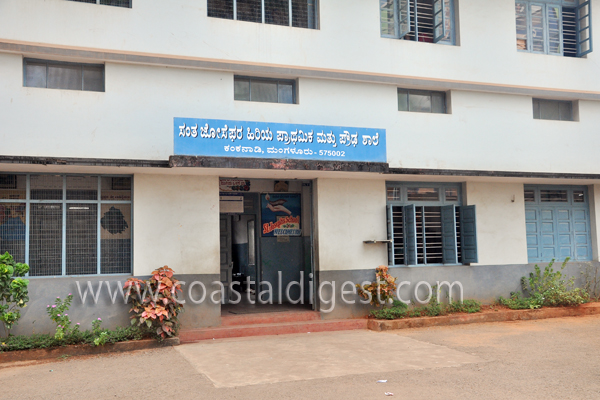
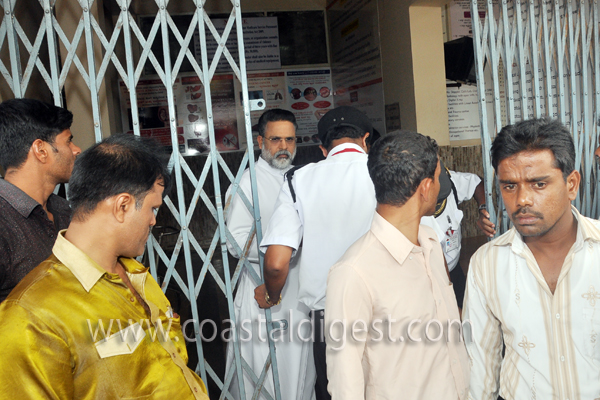
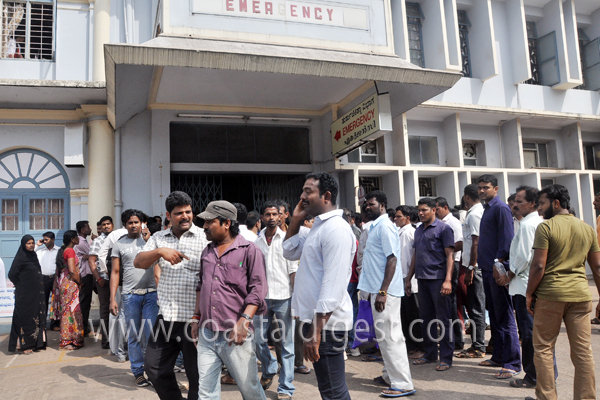
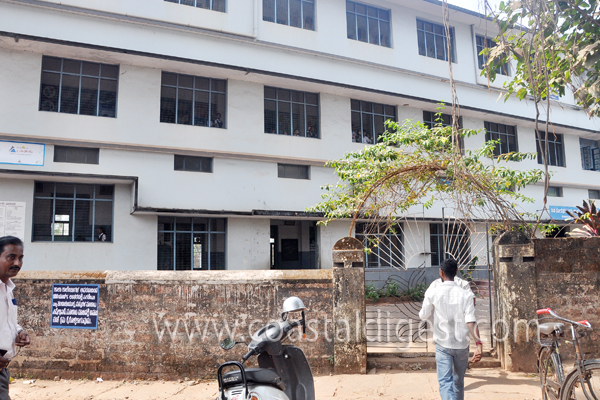
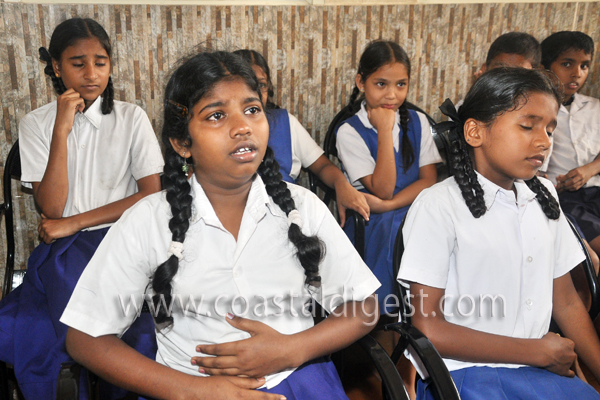
Mangalore, February 9: Over two dozens of students of St Joseph Higher Primary School at Kankanady fell ill soon after consuming the mid-day meals on Thursday afternoon.

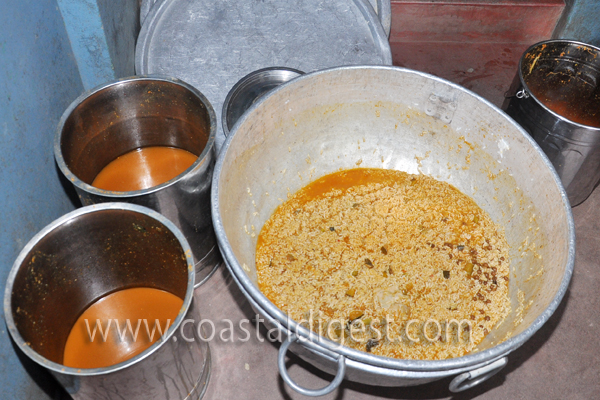
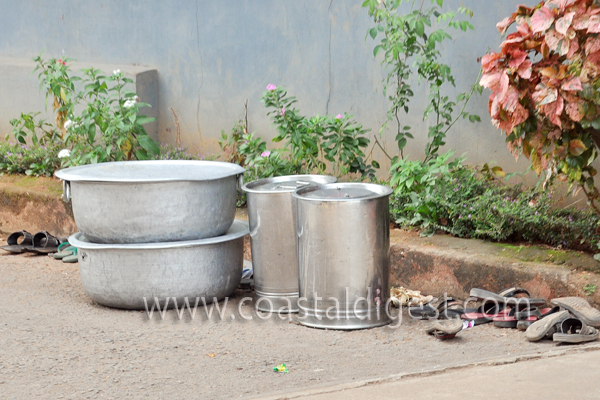
The students complained of stomach-ache and vomiting after having lunch, supplied by 'Seva Meals' caterer from Jeppu. They were rushed to a nearby private hospital by the localites, when the school management allegedly turned an indifferent eye towards the ailing kids. The condition of four students was worse.

However, after the receiving treatment all the students were discharged by evening, confirmed the hospital and school sources.

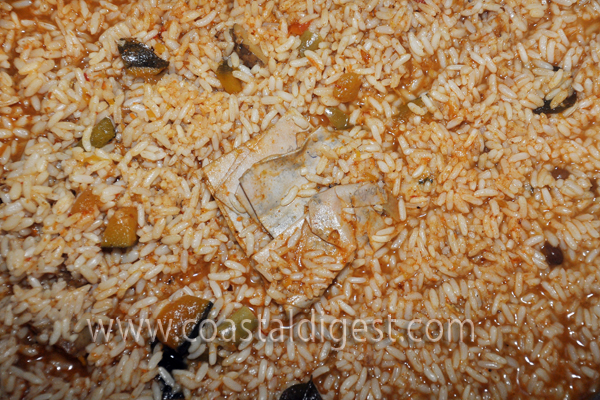
According to Ayesha, a Class VII student, some of her classmates complained of stomach ache and vomited an hour after they had lunch. “We had rice and rasam around 12:30 pm my classmates began feeling sick around 1pm,” she said and added “I did not consume meals as it was smelling bad”

Ashraf, a flower vendor, who has a small shop next to the school, said that around 1:45 pm, he heard children crying from inside the school. “We came to know that the children were suffering from stomach pain, vomiting and dysentery. Even though I and my friends requested the school authorities to take them to hospital, they responded negatively saying doctors would come to school. Finally we ourselves shifted children to the hospital by auto rickshaw”, he said.

Sr. Lilies, Vice President of Bethany Education Society, which manages the aided School, said that only one container of rice had problem and children who consumed food from that particular container fell ill.

Meanwhile, Zilla Panchayath Chief Executive Officer KN Vijay Prakash said Seva Meals, the caterer from Jeppu supplying food to the school, had been given a warning following the incident.

The caterer had been supplying noon meals to 27 schools in and around Mangalore. Mr. Prakash said that the Education Department officials had been asked to collect and test the samples of food supplied to the 27 schools.

“If such incident recurs, the contract will be terminated” he added.
joseph2

joseph3

joseph4

joseph5

joseph6

joseph7

joseph8

joseph9

joseph10

joseph11

joseph12


Comments

Add new comment

  • Coastaldigest.com reserves the right to delete or block any comments.
  • Coastaldigset.com is not responsible for its readers’ comments.
  • Comments that are abusive, incendiary or irrelevant are strictly prohibited.
  • Please use a genuine email ID and provide your name to avoid reject.
News Network
February 3,2026

Bengaluru: Following reports of fresh Nipah virus (NiV) cases in West Bengal and heightened vigilance across parts of Southeast Asia, the Karnataka Health Department has placed the state on high alert and activated emergency preparedness protocols.

Health officials said enhanced surveillance measures have been initiated after two healthcare workers in Barasat, West Bengal, tested positive for the virus earlier this month. While no cases have been reported in Karnataka so far, authorities said the state’s past exposure to Nipah outbreaks and high inter-state mobility warranted preventive action.

Officials have directed district health teams to intensify monitoring, particularly at hospitals and points of entry, and to ensure early detection and isolation of suspected cases.

High Mortality Virus with Multiple Transmission Routes

Nipah virus is a zoonotic disease that can spread from animals to humans and has a reported fatality rate ranging between 60 and 75 per cent. Fruit bats, also known as flying foxes, are the natural reservoirs of the virus and can transmit it by contaminating food sources with saliva or urine.

Known modes of transmission include:

•    Contaminated food: Consumption of fruits partially eaten by bats or raw date-palm sap
•    Animal contact: Exposure to infected pigs or other animals
•    Human-to-human transmission: Close contact with body fluids of infected persons, particularly in healthcare settings

Symptoms and Disease Progression

The incubation period typically ranges from 4 to 14 days, though delayed onset has also been reported. Early symptoms often resemble common viral infections, making prompt clinical suspicion critical.

•    Initial symptoms: Fever, headache, body aches, fatigue, sore throat
•    Progressive symptoms: Drowsiness, disorientation, altered mental state
•    Severe stage: Seizures, neck stiffness and acute encephalitis, which can rapidly progress to coma

Public Health Advisory

The Health Department has issued precautionary guidelines urging the public to adopt risk-avoidance practices to prevent any local spillover.

Do’s
•    Wash fruits thoroughly before consumption
•    Drink boiled and cooled water
•    Use protective equipment while handling livestock
•    Maintain strict hand hygiene

Don’ts
•    Avoid fruits found on the ground or showing bite marks
•    Do not consume beverages made from raw tree sap, including toddy
•    Avoid areas with dense bat populations
•    Do not handle sick or dead animals

Preparedness Measures

Officials confirmed that isolation wards are being readied in major government hospitals and that medical staff are being sensitised to identify early warning signs.

“There is no cause for panic, but there is a need for heightened vigilance,” a senior health official said, adding that there is currently no approved vaccine or specific antiviral treatment for Nipah, and care remains largely supportive.

Comments

Add new comment

  • Coastaldigest.com reserves the right to delete or block any comments.
  • Coastaldigset.com is not responsible for its readers’ comments.
  • Comments that are abusive, incendiary or irrelevant are strictly prohibited.
  • Please use a genuine email ID and provide your name to avoid reject.