



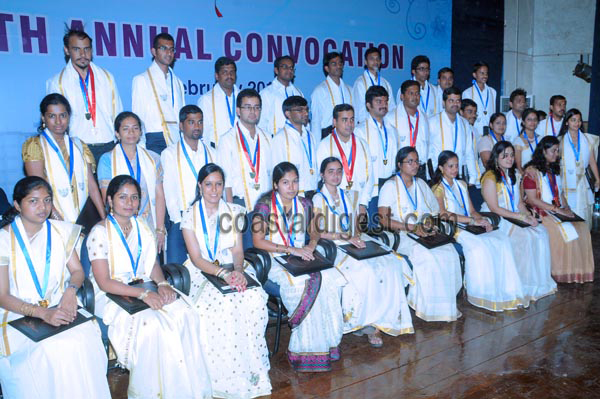
Mangalore, February 25: Indian science and technology development relevant to the inclusive growth of the country such that they generate a greater and immediate impact on the lives of the people at large, according to senior nuclear scientist, Padmashri Dr Srikumar Banerjee.
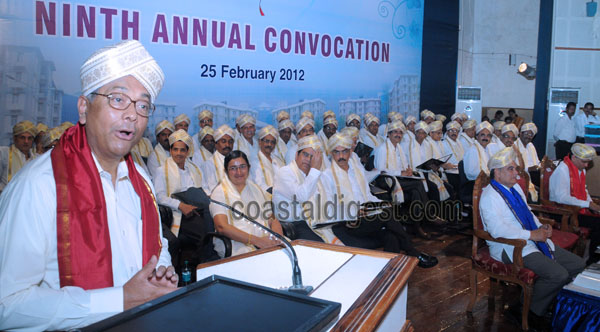
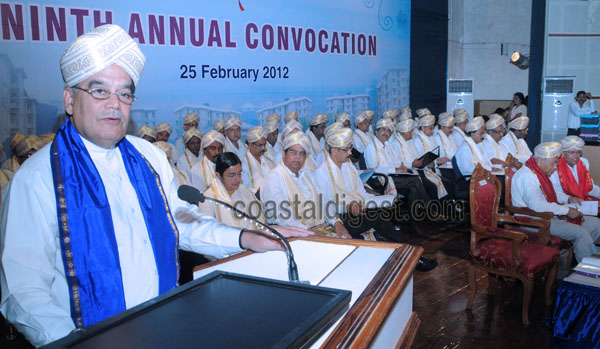
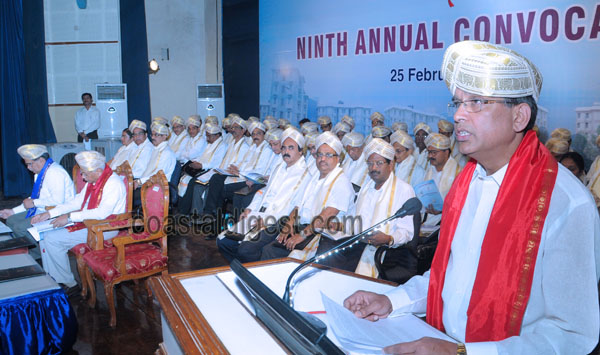
Delivering convocation address at the ninth annual convocation of National Insitute of Technology-Karnataka at Suratkal near here on Saturday, he called upon the students to consider this as a challenge in their lives.
Dr Banerjee, who is the current Chairman of Atomic Energy Commission and Secretary to the Department of Atomic Energy of Government of India, said this challenge involves large scale innovations in every sphere of science and technology.
“The challenge is to transform from 'Made in India' economy to 'Designed in India' economy. This is what the country is expecting from all of you”, he said.
He said in the globalized phase, the scientific research must connect to the society, both intellectually and economically. Research must be seen as an important instrument of economic growth. It is important for a researcher to think that research is not his sole prerogative, but he must include people as an important stake holder in the process of scientific research.
“If it is a question of 'career' then there are opportunities abound in the 'globalized' economy, and a career in science and technology is not as attractive. This is where we need a new thought, a new thought that will convert this country into a real powerhouse of innovations. Key to this is 'inclusiveness' in our approach to science and technology”, he said.
He said that the the Prototype Fast Breeder Reactor of 500 MWe capacity is currently under construction at Kapakkam. The third stage will be based on the thorium-233U cycle. Timely implementation of this stage is very crucial for meeting the increasing carbon-free energy demands in the country, he said.
Dr Banerjee stressed that the entire thorium utilization programme would eventually require several new technology inputs.
“Many of these technologies have to be developed for the early implementation of the thorium fuel cycle as India is. With sustained efforts over the past several years, India has developed sufficient experience, which has led to operation of a research reactor KAMINI based on 233U fuel at Kalpakkam and design of an Advanced Heavy Water Reactor (AHWR) with the objective of developing several enabling technologies required for thorium based systems at BARC”, he explained.
Thus the Indian Nuclear Programme has the potential to provide long term energy security to the country for several centuries to come, he added.
Dr Banerjee also assured that India's nuclear energy programme was safe and there was no chance of Fukushima' happening in this country. “I must also add here that the 'Fukushima' incidence has not slowed down the global nuclear energy programme”, he stated.
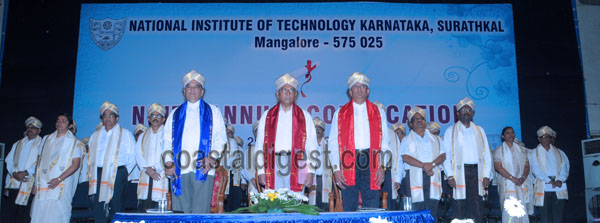
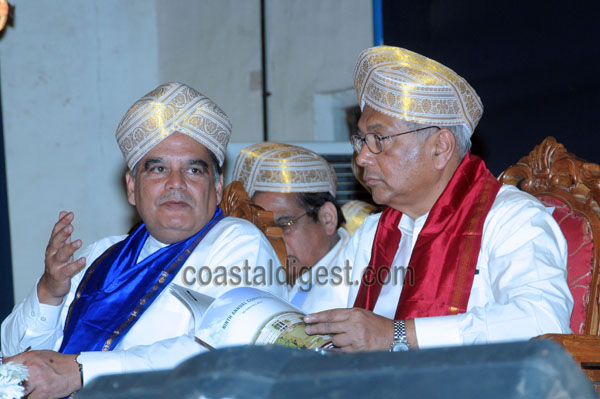
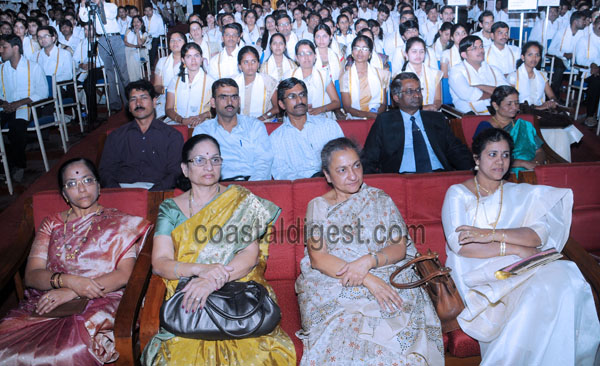
Sushil Chandra Tripathi, Chairman of the Board of Governors of NITK presided over the ceremony. Prof Sandeep Sancheti, Director of NITK welcomed the gathering and delivered introductory address.
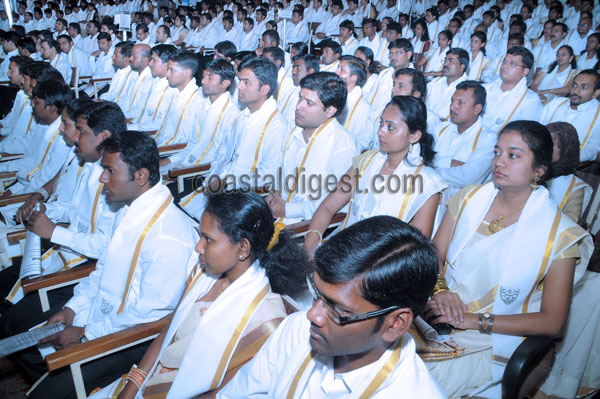
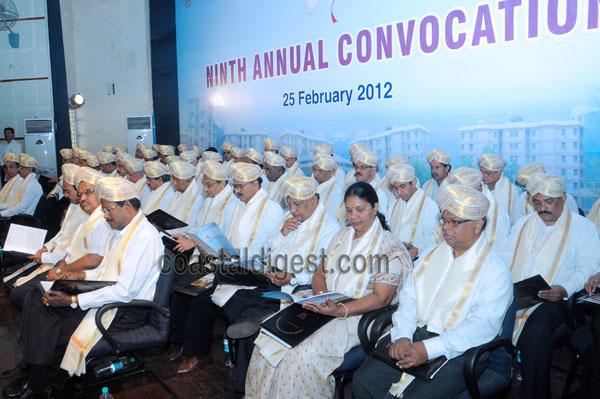
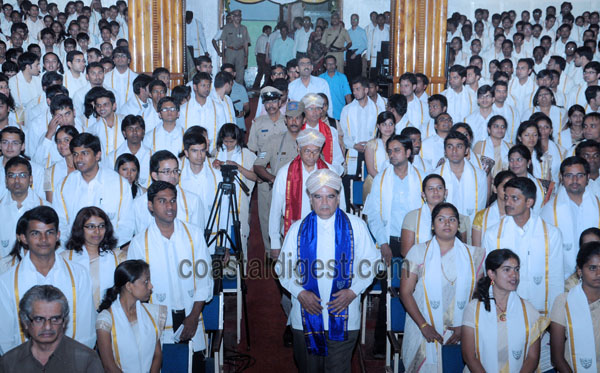
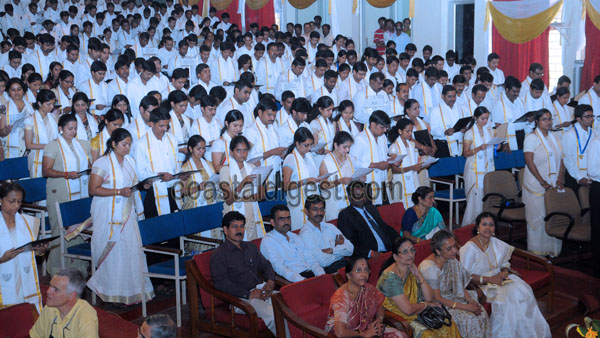
Members of the board of governors, members of the senate, faculty, staff and parents were also present during the convocation.
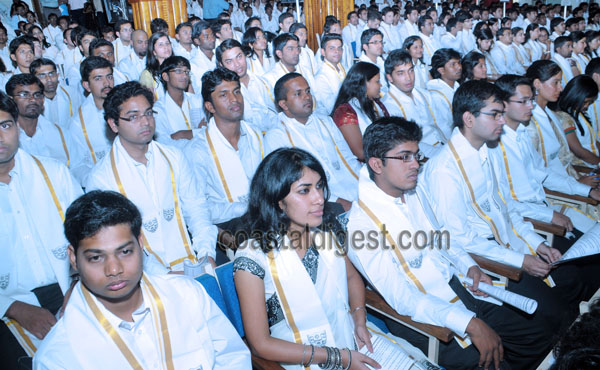
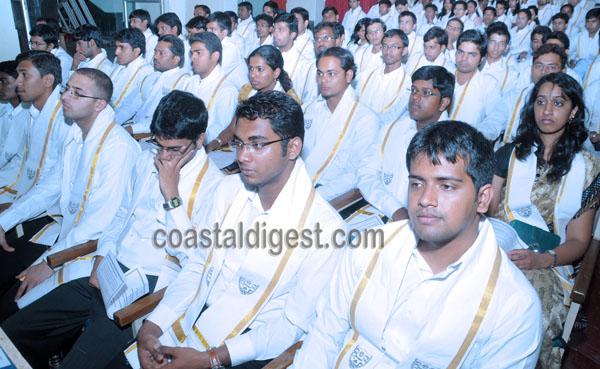
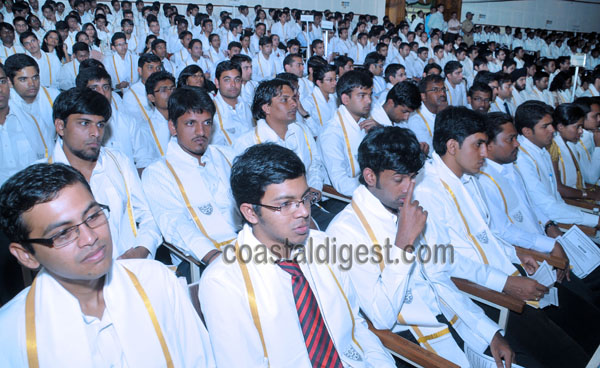
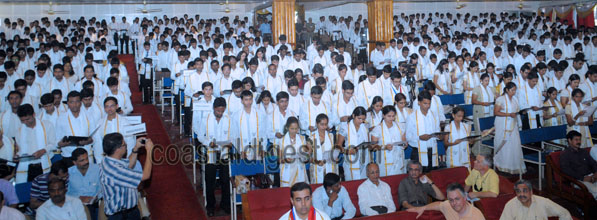
This year NITK has crossed the three figure mark in number of students passing out. It now has 1132 students passing out during 2010-11. The peak Indian salary for students passing out is Rs 16 lakh and international salary is Rs 64 lakhs.
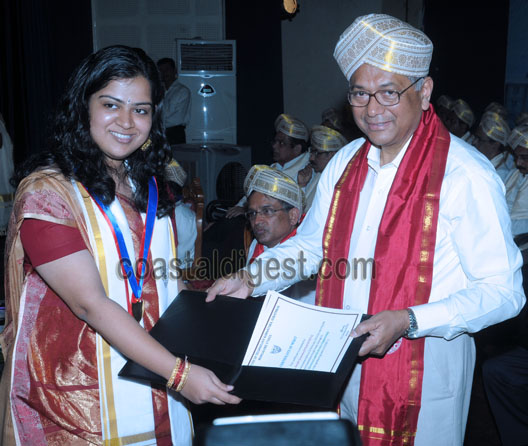
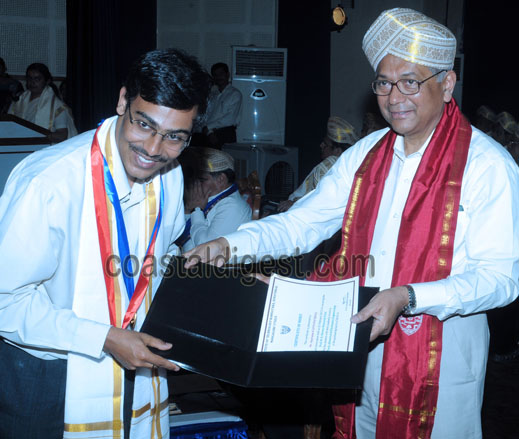
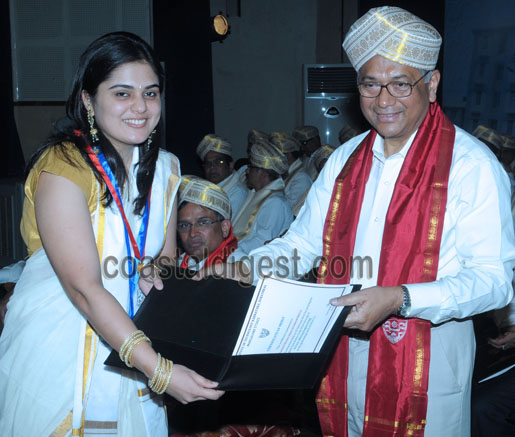
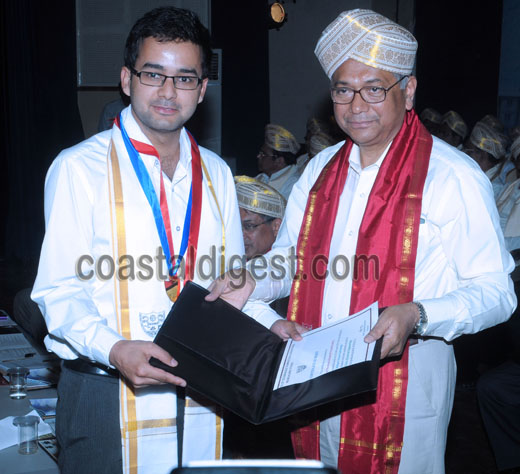
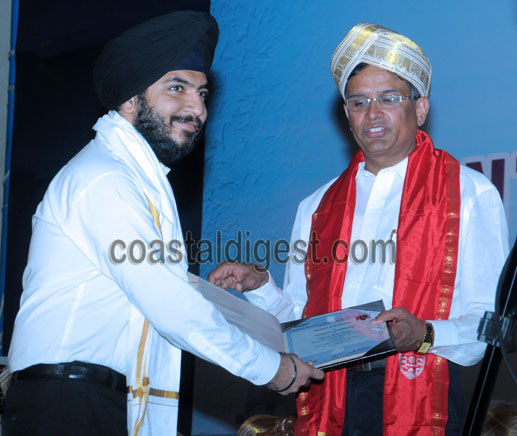
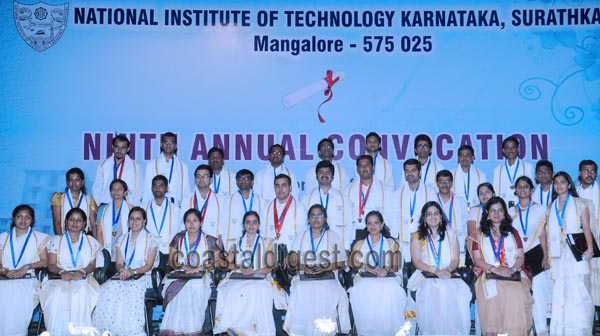
As many as 509 students have graduated with B Tech degrees and 455 with Mtech, 70 with MCA, 40 with MBA, 42 with MSc and 16 students obtained PhD degrees. 37 students were awarded medals for outstanding academic performance.


Comments
Add new comment