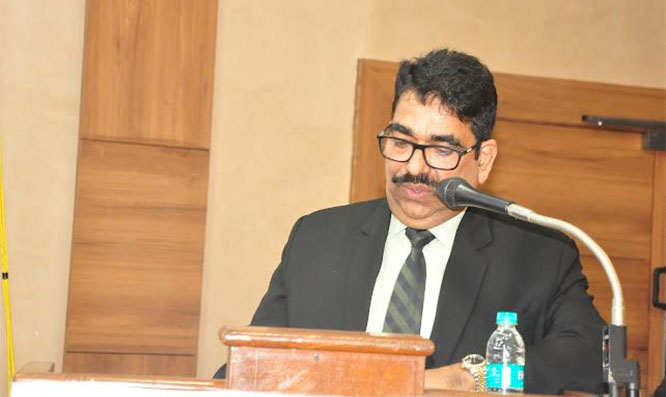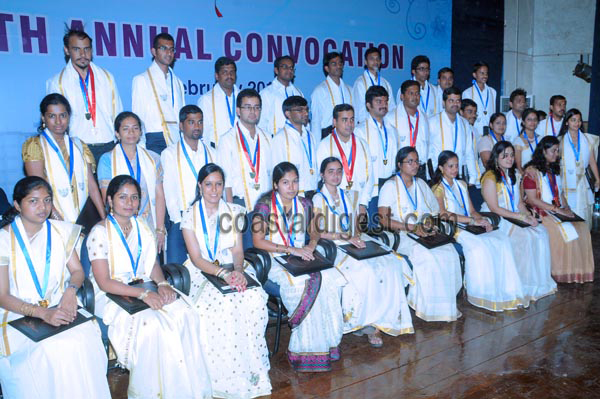
Transform economy from 'Made in India' to 'Designed in India': Dr Banerjee at NITK convocation

[email protected] (CD Network, Photos by Ahmed Anwar )
February 25, 2012

NITK_Feb25

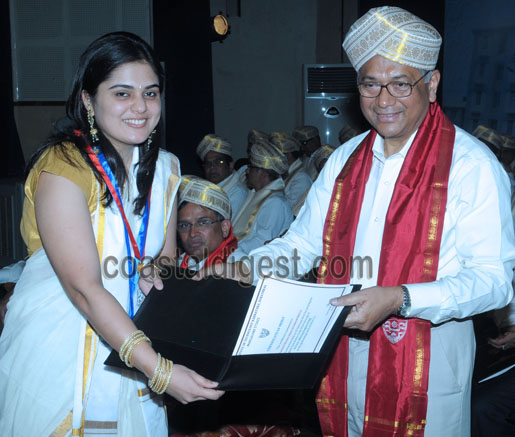
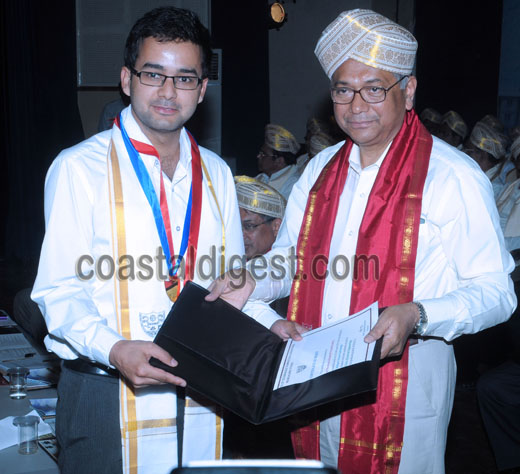
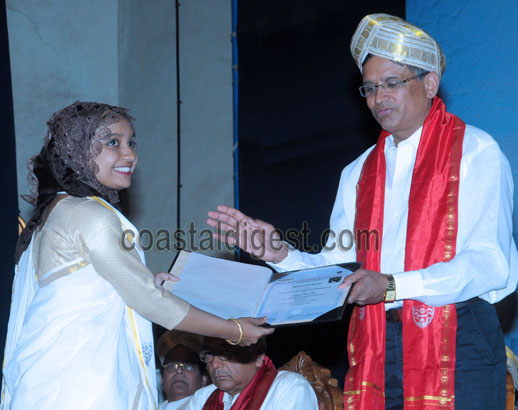
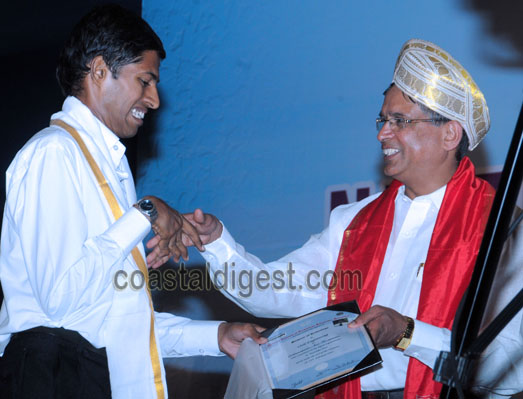
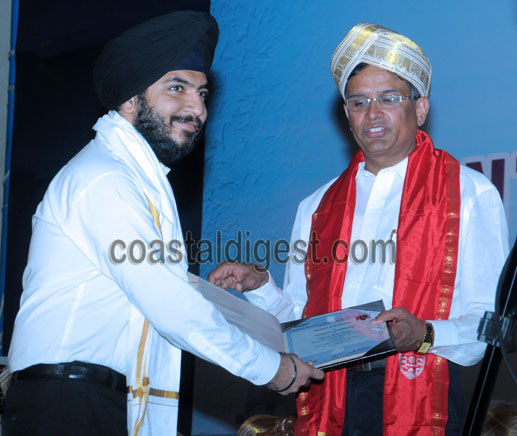
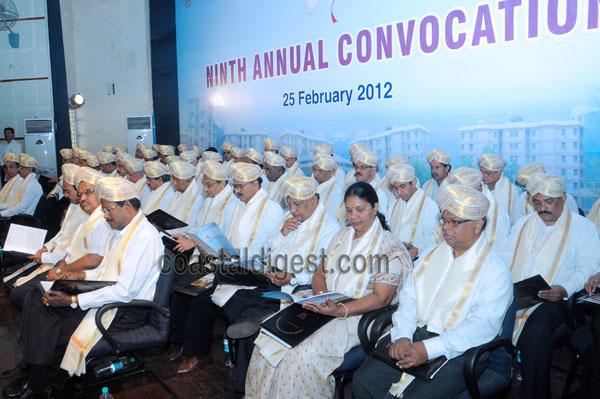
Mangalore, February 25: Indian science and technology development relevant to the inclusive growth of the country such that they generate a greater and immediate impact on the lives of the people at large, according to senior nuclear scientist, Padmashri Dr Srikumar Banerjee.

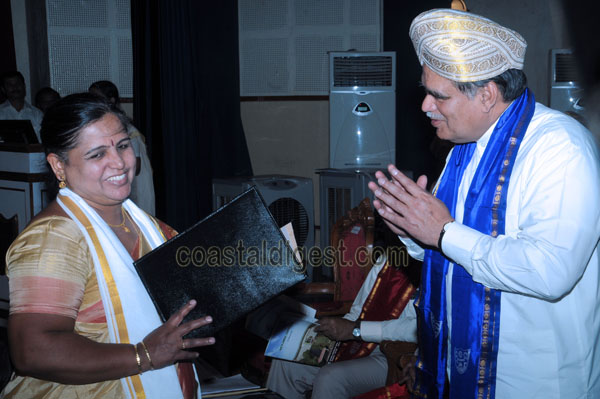
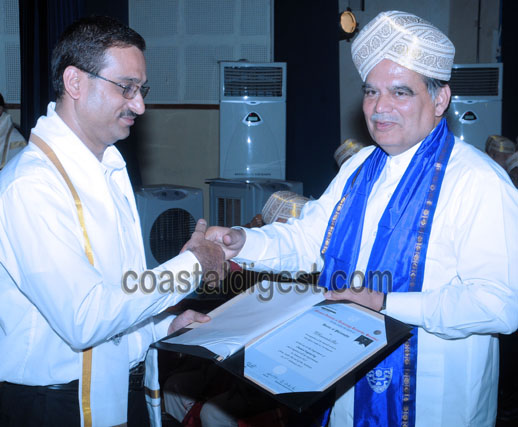
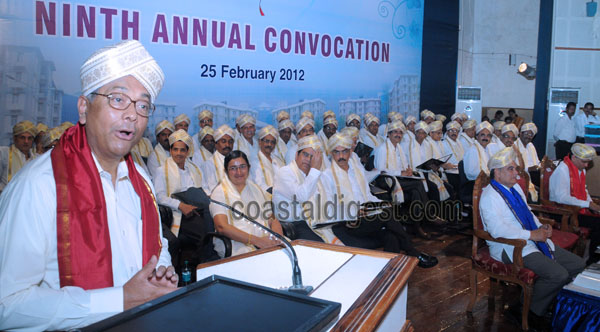
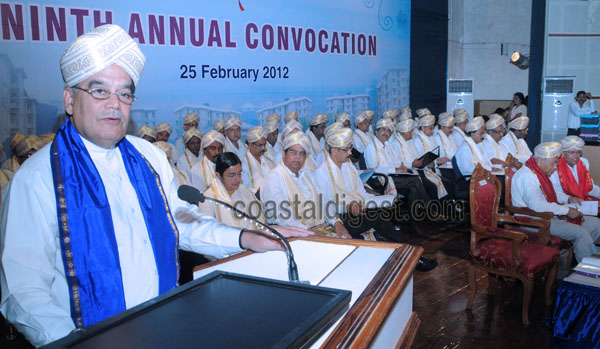
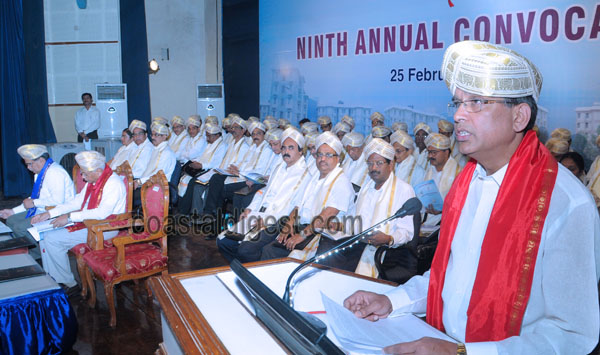
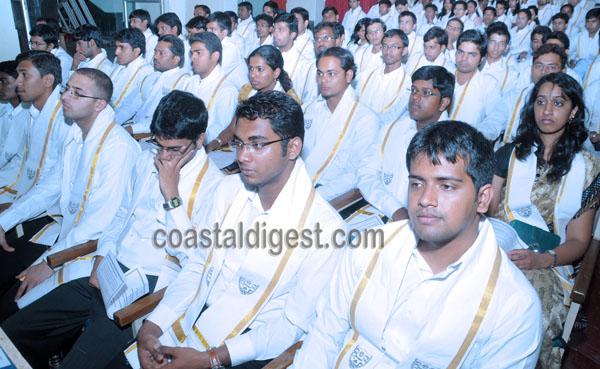
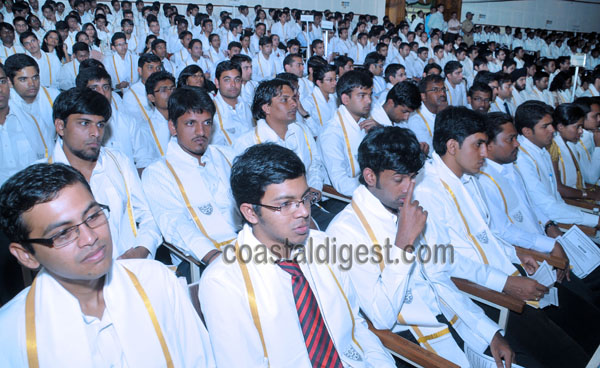
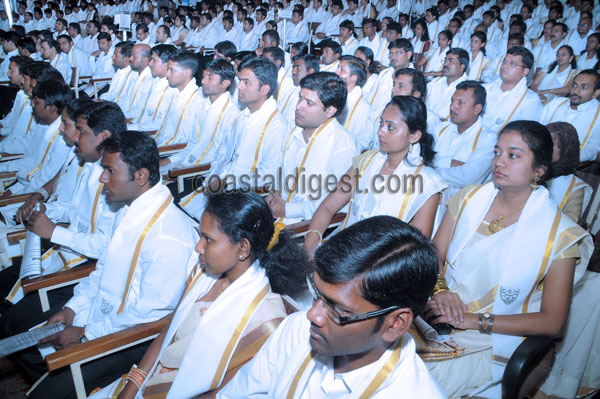
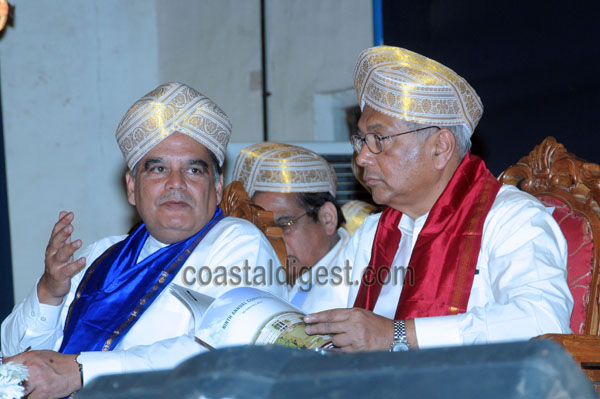
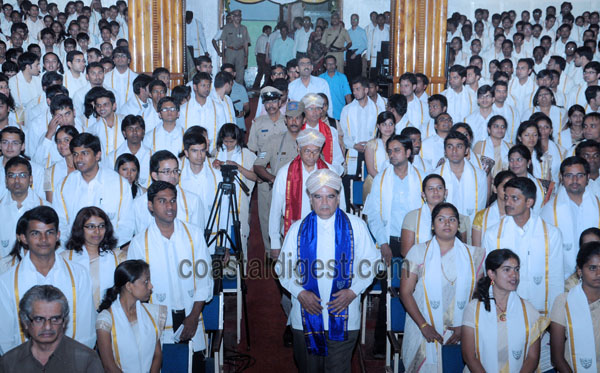
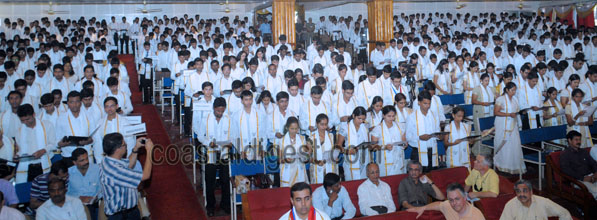
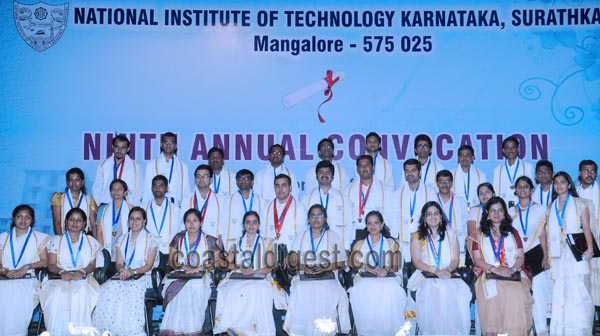
Delivering convocation address at the ninth annual convocation of National Insitute of Technology-Karnataka at Suratkal near here on Saturday, he called upon the students to consider this as a challenge in their lives.

Dr Banerjee, who is the current Chairman of Atomic Energy Commission and Secretary to the Department of Atomic Energy of Government of India, said this challenge involves large scale innovations in every sphere of science and technology.

“The challenge is to transform from 'Made in India' economy to 'Designed in India' economy. This is what the country is expecting from all of you”, he said.

He said in the globalized phase, the scientific research must connect to the society, both intellectually and economically. Research must be seen as an important instrument of economic growth. It is important for a researcher to think that research is not his sole prerogative, but he must include people as an important stake holder in the process of scientific research.

“If it is a question of 'career' then there are opportunities abound in the 'globalized' economy, and a career in science and technology is not as attractive. This is where we need a new thought, a new thought that will convert this country into a real powerhouse of innovations. Key to this is 'inclusiveness' in our approach to science and technology”, he said.

He said that the the Prototype Fast Breeder Reactor of 500 MWe capacity is currently under construction at Kapakkam. The third stage will be based on the thorium-233U cycle. Timely implementation of this stage is very crucial for meeting the increasing carbon-free energy demands in the country, he said.

Dr Banerjee stressed that the entire thorium utilization programme would eventually require several new technology inputs.

“Many of these technologies have to be developed for the early implementation of the thorium fuel cycle as India is. With sustained efforts over the past several years, India has developed sufficient experience, which has led to operation of a research reactor KAMINI based on 233U fuel at Kalpakkam and design of an Advanced Heavy Water Reactor (AHWR) with the objective of developing several enabling technologies required for thorium based systems at BARC”, he explained.

Thus the Indian Nuclear Programme has the potential to provide long term energy security to the country for several centuries to come, he added.

Dr Banerjee also assured that India's nuclear energy programme was safe and there was no chance of Fukushima' happening in this country. “I must also add here that the 'Fukushima' incidence has not slowed down the global nuclear energy programme”, he stated.

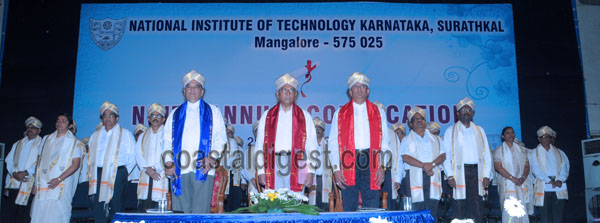
Sushil Chandra Tripathi, Chairman of the Board of Governors of NITK presided over the ceremony. Prof Sandeep Sancheti, Director of NITK welcomed the gathering and delivered introductory address.

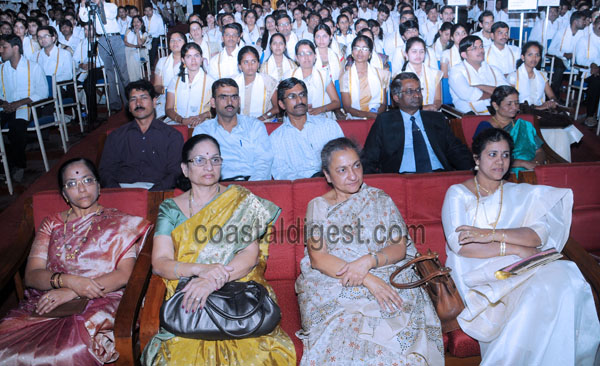
Members of the board of governors, members of the senate, faculty, staff and parents were also present during the convocation.

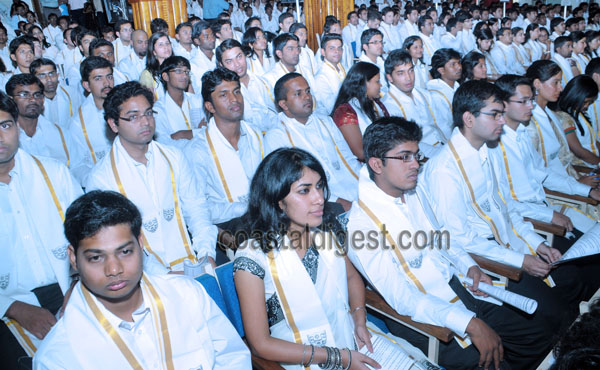
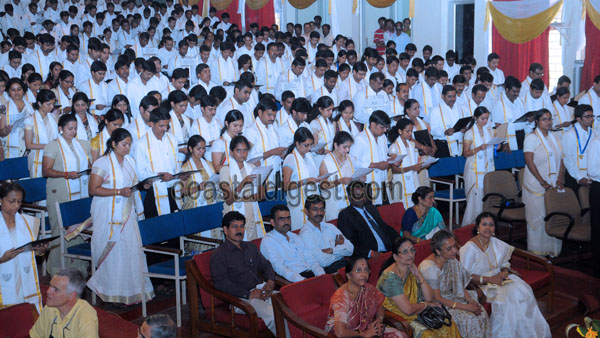
This year NITK has crossed the three figure mark in number of students passing out. It now has 1132 students passing out during 2010-11. The peak Indian salary for students passing out is Rs 16 lakh and international salary is Rs 64 lakhs.

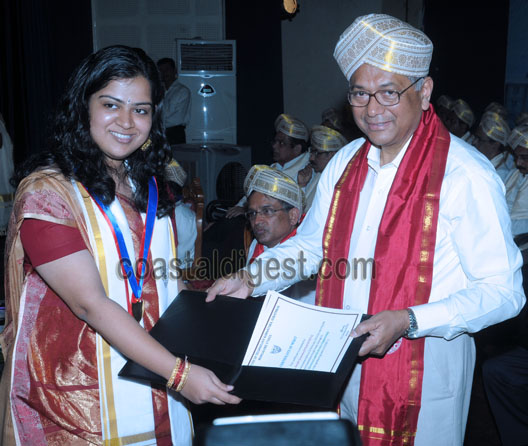
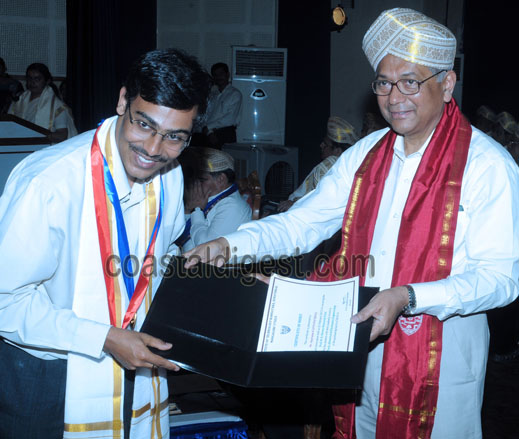
As many as 509 students have graduated with B Tech degrees and 455 with Mtech, 70 with MCA, 40 with MBA, 42 with MSc and 16 students obtained PhD degrees. 37 students were awarded medals for outstanding academic performance.
NITK_1

NITK_2

NITK_3

NITK_4

NITK_5

NITK_6

NITK_7

NITK_8

NITK_9

NITK_10

NITK_11

NITK_12

NITK_13

NITK_14

NITK_15

NITK_16

NITK_17

NITK_18

NITK_19

NITK_20

NITK_21

NITK_22

NITK_23

NITK_24

Comments

Add new comment

  • Coastaldigest.com reserves the right to delete or block any comments.
  • Coastaldigset.com is not responsible for its readers’ comments.
  • Comments that are abusive, incendiary or irrelevant are strictly prohibited.
  • Please use a genuine email ID and provide your name to avoid reject.
News Network
February 3,2026

Bengaluru: Following reports of fresh Nipah virus (NiV) cases in West Bengal and heightened vigilance across parts of Southeast Asia, the Karnataka Health Department has placed the state on high alert and activated emergency preparedness protocols.

Health officials said enhanced surveillance measures have been initiated after two healthcare workers in Barasat, West Bengal, tested positive for the virus earlier this month. While no cases have been reported in Karnataka so far, authorities said the state’s past exposure to Nipah outbreaks and high inter-state mobility warranted preventive action.

Officials have directed district health teams to intensify monitoring, particularly at hospitals and points of entry, and to ensure early detection and isolation of suspected cases.

High Mortality Virus with Multiple Transmission Routes

Nipah virus is a zoonotic disease that can spread from animals to humans and has a reported fatality rate ranging between 60 and 75 per cent. Fruit bats, also known as flying foxes, are the natural reservoirs of the virus and can transmit it by contaminating food sources with saliva or urine.

Known modes of transmission include:

•    Contaminated food: Consumption of fruits partially eaten by bats or raw date-palm sap
•    Animal contact: Exposure to infected pigs or other animals
•    Human-to-human transmission: Close contact with body fluids of infected persons, particularly in healthcare settings

Symptoms and Disease Progression

The incubation period typically ranges from 4 to 14 days, though delayed onset has also been reported. Early symptoms often resemble common viral infections, making prompt clinical suspicion critical.

•    Initial symptoms: Fever, headache, body aches, fatigue, sore throat
•    Progressive symptoms: Drowsiness, disorientation, altered mental state
•    Severe stage: Seizures, neck stiffness and acute encephalitis, which can rapidly progress to coma

Public Health Advisory

The Health Department has issued precautionary guidelines urging the public to adopt risk-avoidance practices to prevent any local spillover.

Do’s
•    Wash fruits thoroughly before consumption
•    Drink boiled and cooled water
•    Use protective equipment while handling livestock
•    Maintain strict hand hygiene

Don’ts
•    Avoid fruits found on the ground or showing bite marks
•    Do not consume beverages made from raw tree sap, including toddy
•    Avoid areas with dense bat populations
•    Do not handle sick or dead animals

Preparedness Measures

Officials confirmed that isolation wards are being readied in major government hospitals and that medical staff are being sensitised to identify early warning signs.

“There is no cause for panic, but there is a need for heightened vigilance,” a senior health official said, adding that there is currently no approved vaccine or specific antiviral treatment for Nipah, and care remains largely supportive.

Comments

Add new comment

  • Coastaldigest.com reserves the right to delete or block any comments.
  • Coastaldigset.com is not responsible for its readers’ comments.
  • Comments that are abusive, incendiary or irrelevant are strictly prohibited.
  • Please use a genuine email ID and provide your name to avoid reject.
News Network
February 1,2026

Bengaluru: Karnataka Deputy Chief Minister D K Shivakumar on Sunday criticised the Union Budget presented by Finance Minister Nirmala Sitharaman, claiming it offered no tangible benefit to the state.

Though he said he was yet to study the budget in detail, Shivakumar asserted that Karnataka had gained little from it. “There is no benefit for our state from the central budget. I was observing it. They have now named a programme after Mahatma Gandhi, after repealing the MGNREGA Act that was named after him,” he said.

Speaking to reporters here, the Deputy Chief Minister demanded the restoration of MGNREGA, and made it clear that the newly enacted rural employment scheme — VB-G RAM G — which proposes a 60:40 fund-sharing formula between the Centre and the states, would not be implemented in Karnataka.

“I don’t see any major share for our state in this budget,” he added.

Shivakumar, who also holds charge of Bengaluru development, said there were high expectations for the city from the Union Budget. “The Prime Minister calls Bengaluru a ‘global city’, but what has the Centre done for it?” he asked.

He also drew attention to the problems faced by sugar factories, particularly those in the cooperative sector, alleging a lack of timely decisions and support from the central government.

Noting that the Centre has the authority to fix the minimum support price (MSP) for agricultural produce, Shivakumar said the Union government must take concrete steps to protect farmers’ interests.

Comments

Add new comment

  • Coastaldigest.com reserves the right to delete or block any comments.
  • Coastaldigset.com is not responsible for its readers’ comments.
  • Comments that are abusive, incendiary or irrelevant are strictly prohibited.
  • Please use a genuine email ID and provide your name to avoid reject.
News Network
February 3,2026

Kanchur2.jpg

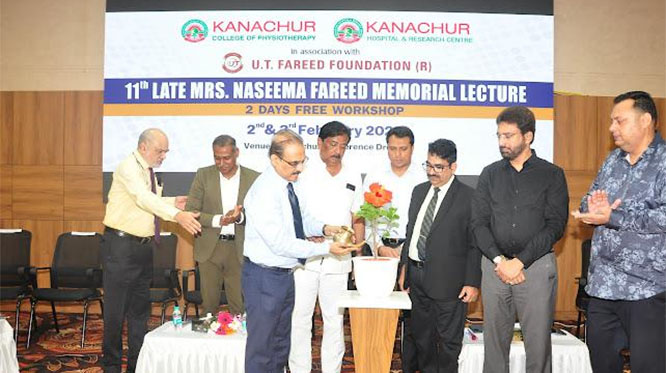
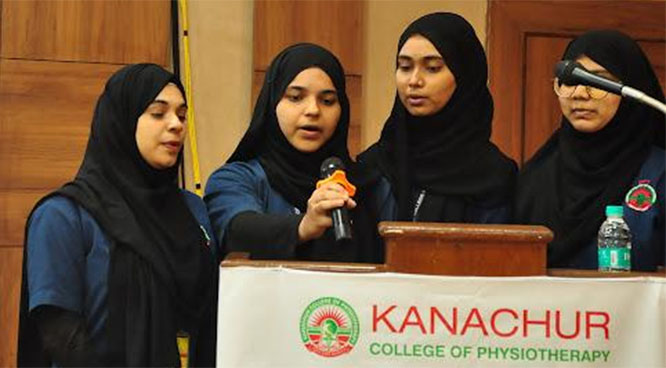
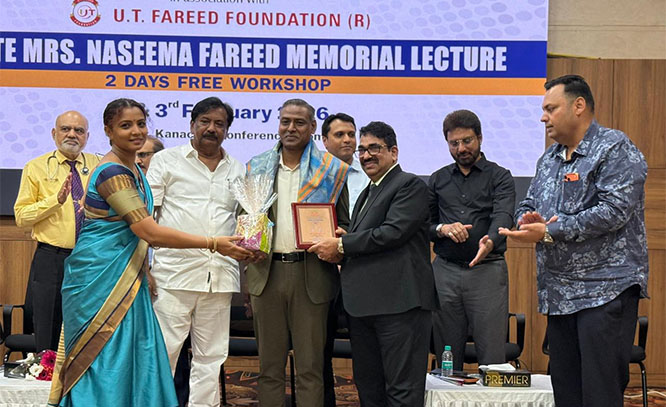
Mangaluru, Feb 3: Kanachur College of Physiotherapy and Kanachur Hospital & Research Centre, in association with U.T. Fareed Foundation (R), organised the 11th Late Mrs. Naseema Fareed Memorial Lecture on Tuesday.

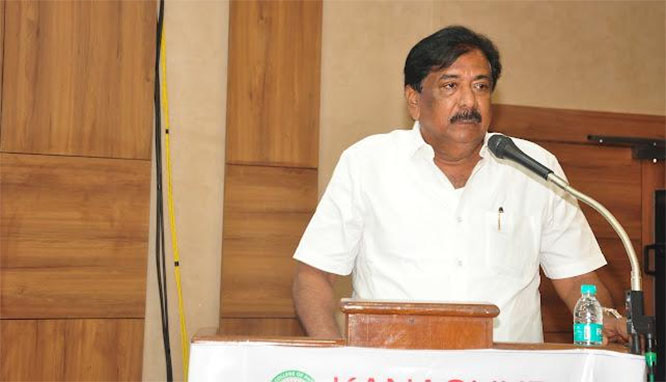
The programme was inaugurated by Dr. Subramanyam K, Head of the Department and Professor, Department of Cardiology, Srinivas Institute of Medical Sciences & Research Centre, Mangaluru. In his inaugural address, Dr. Subramanyam delivered an insightful talk highlighting the vital role of physiotherapy in modern medical care, particularly in cardiac rehabilitation, patient recovery, and improving overall quality of life through a multidisciplinary healthcare approach.

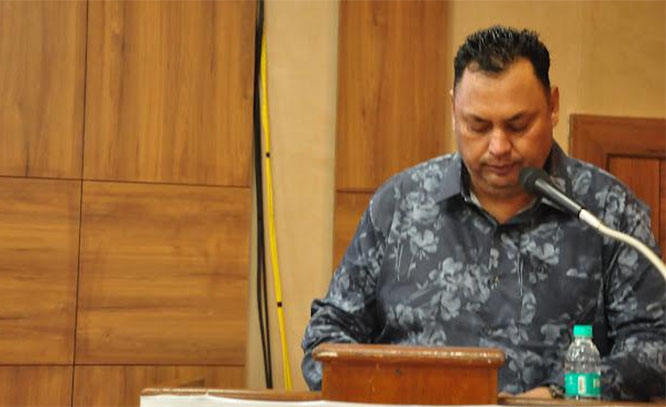
The presidential address was delivered by Dr. Haji U.K. Monu, Chairman, KIET. The keynote address was presented by Dr. Mohammed Ismail Hejamady, who spoke on the evolving scope and significance of physiotherapy.

The event was held in the presence of Mr. Abdul Rahiman, Director, Kanachur Institute of Medical Sciences, Mangaluru; Dr. Vaishali Sreejith, Senate Member, Rajiv Gandhi University of Health Sciences, Bengaluru; Dr. Sudhan S.G., Professor and Principal, Krupanidhi College of Physiotherapy, Bengaluru; Dr. Shanavaz Manipady, Dean, Kanachur Institute of Medical Sciences, Mangaluru; and Dr. Venkat Rai Prabhu, Member, Kanachur Health Science Advisory Council, Kanachur Hospital & Research Centre.

Dr. Mohammad Suhail, Dean, Kanachur College of Physiotherapy, welcomed the guests and delegates.

As part of the programme, a two-day free workshop was organised on the following topics:

•    Art of Practice in Cardiopulmonary Conditions by Dr. Sudhan S.G., Principal, Krupanidhi College of Physiotherapy

•    The Gift of Life – Organ Donation by Dr. Rohan Monis, Chief Administrative Medical Officer

•    Chest X-ray Interpretation by Dr. Hemanth, Department of Radiology, KIMS

•    Pulmonary Rehabilitation by Dr. Vijaya Kumar, Department of Respiratory Medicine, KIMS

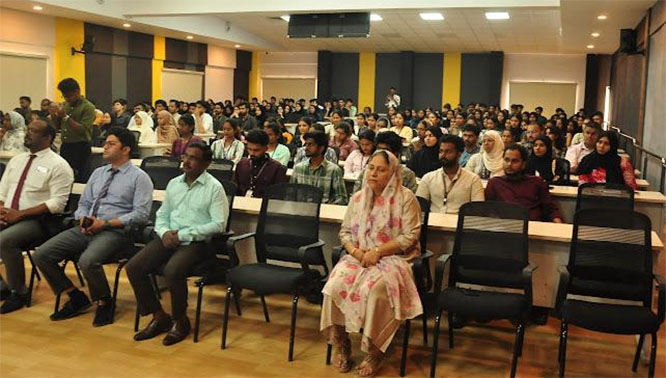
Organisers noted that the memorial lecture series has been conducted continuously for the 11th year, benefiting interns and postgraduate students from various colleges across Mangaluru. A total of 130 delegates attended the workshop.

Dr. Reshma, Vice Principal, Kanachur College of Physiotherapy, Mangaluru, delivered the vote of thanks.

Kanchur7.jpg

Kanchur6.jpg

Kanchur5.jpg

Kanchur4.jpg

Kanchur3.jpg

Kanchur1.jpg

Comments

Add new comment

  • Coastaldigest.com reserves the right to delete or block any comments.
  • Coastaldigset.com is not responsible for its readers’ comments.
  • Comments that are abusive, incendiary or irrelevant are strictly prohibited.
  • Please use a genuine email ID and provide your name to avoid reject.