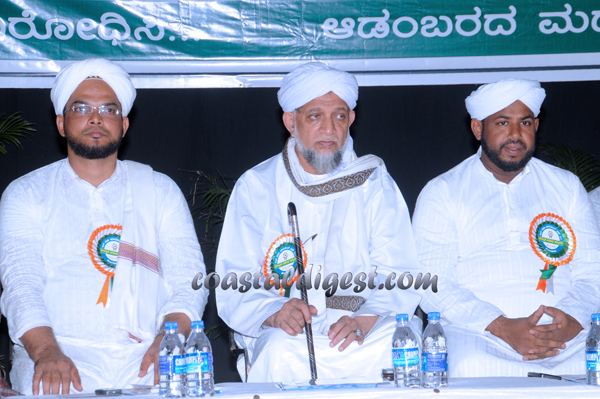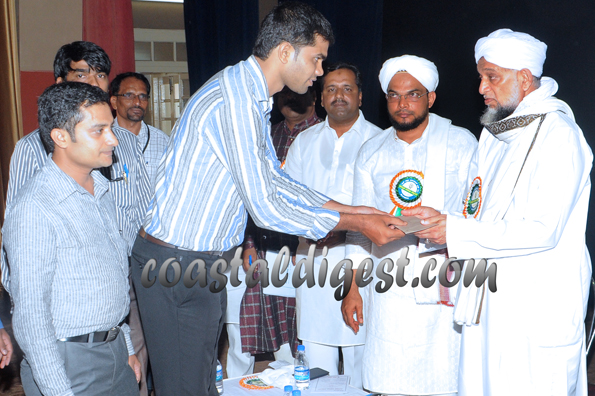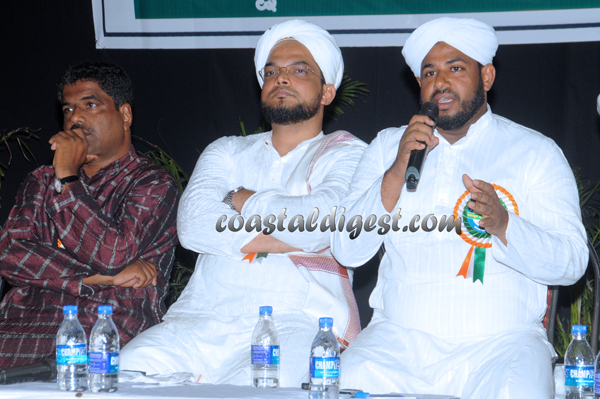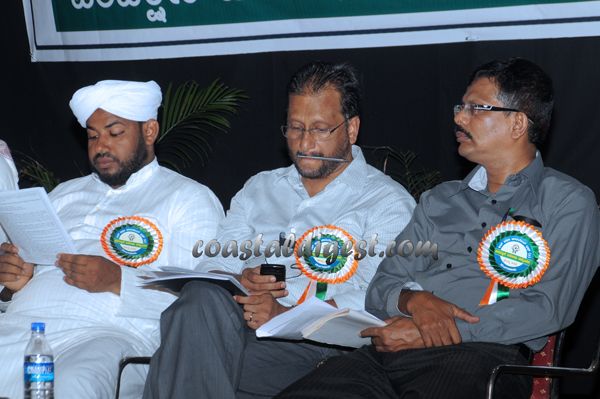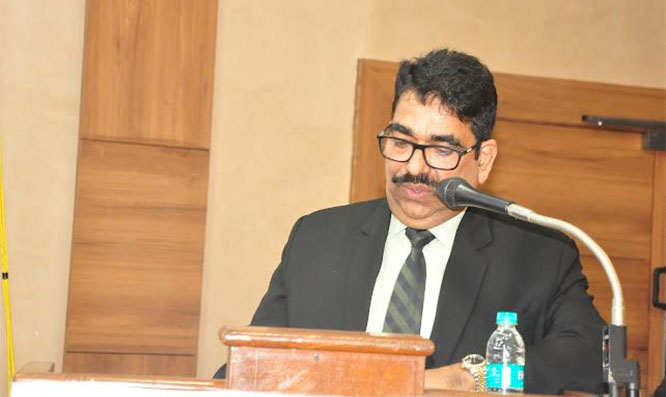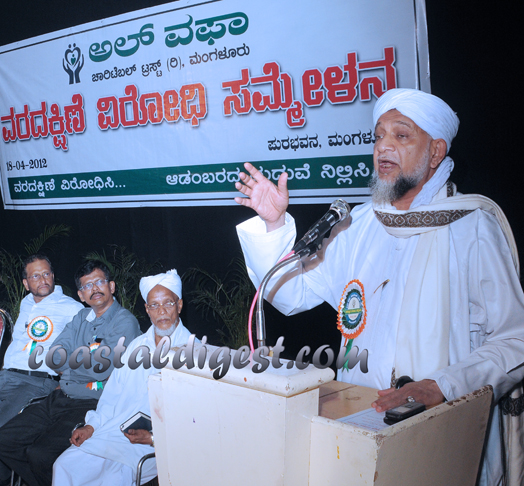
Mangalore Qazi asks Muslim youth to take a pledge against dowry

coastaldigest.com news network
April 18, 2012

wafa1

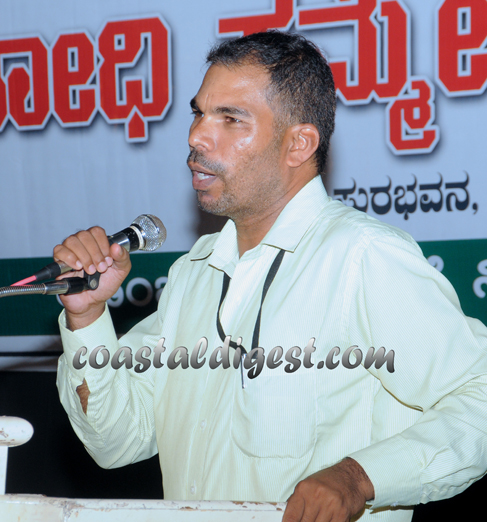
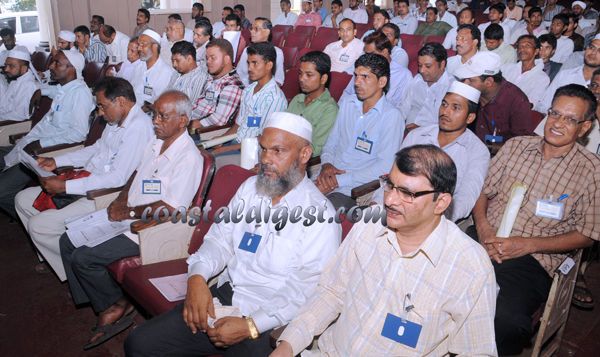
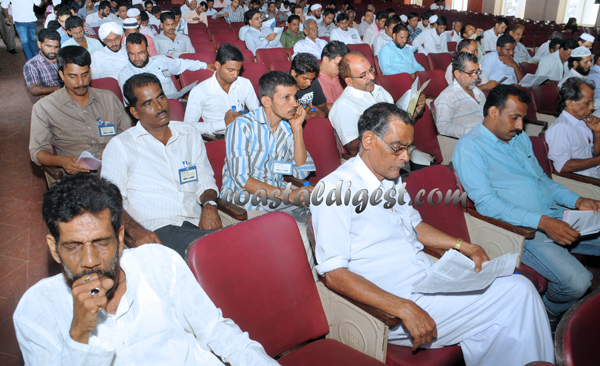
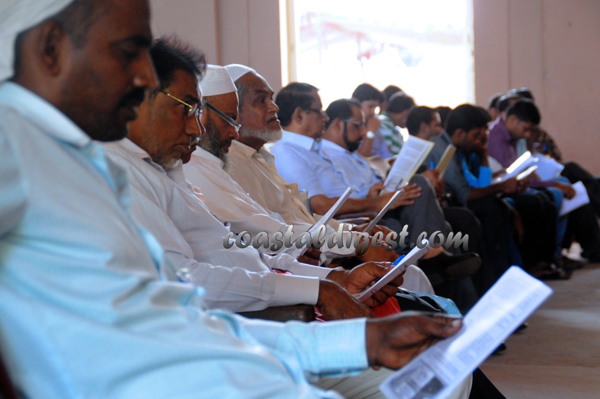
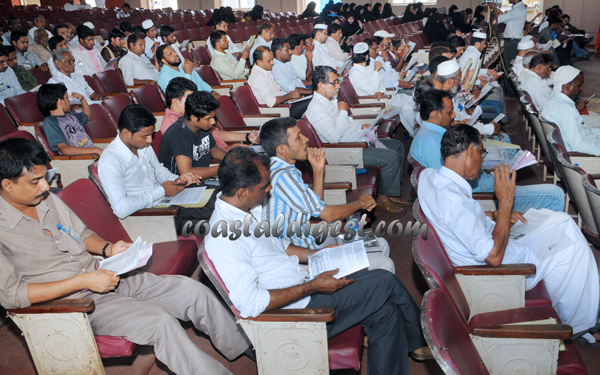
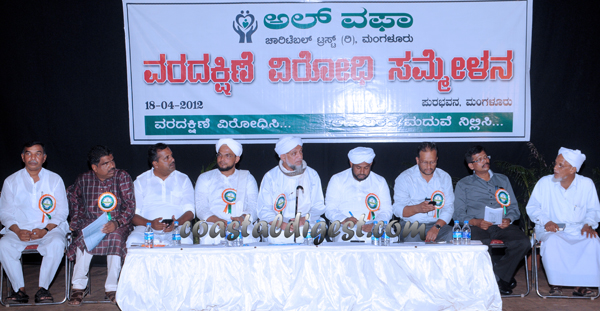
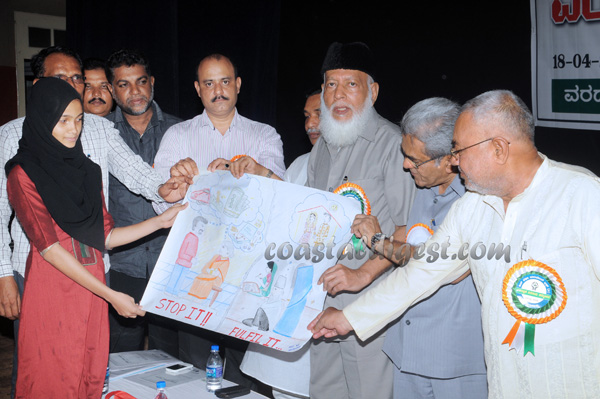
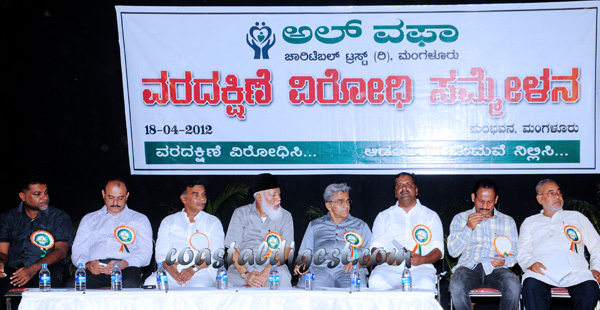
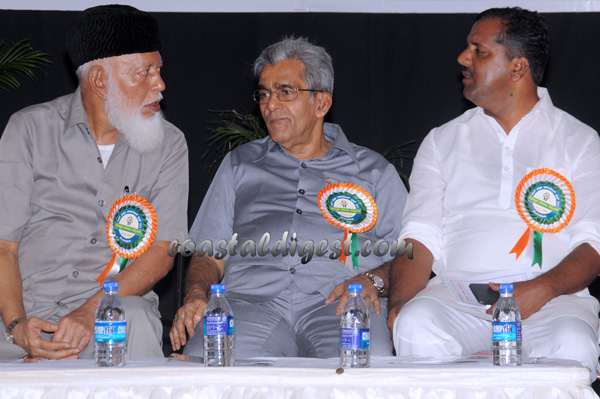
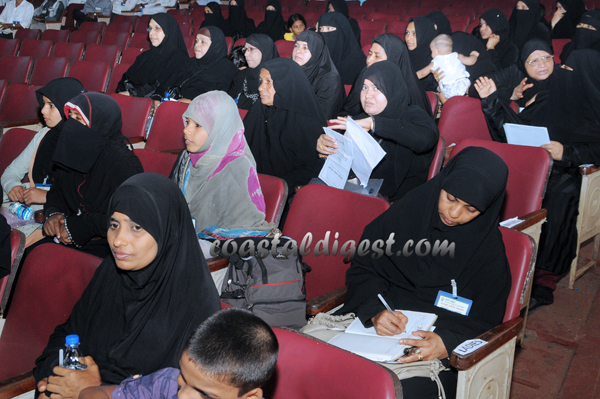
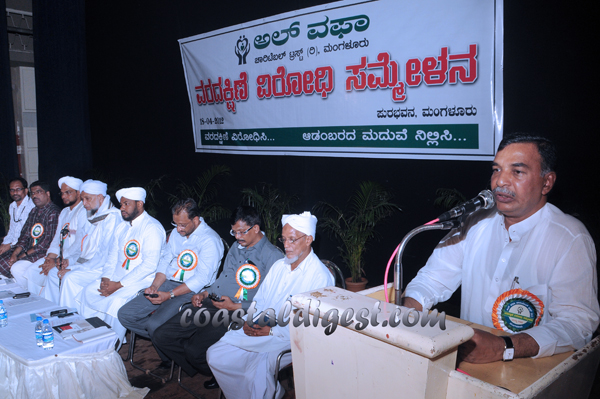
Mangalore, April 18: Terming dowry as a 'curse' and an 'epidemic' afflicting the community, Mangalore Qazi Twaqa Ahmed Musliyar on Wednesday urged affluent sections of the community to take a pledge in the public that they will shun dowry and desist from extravagant marriage celebrations.

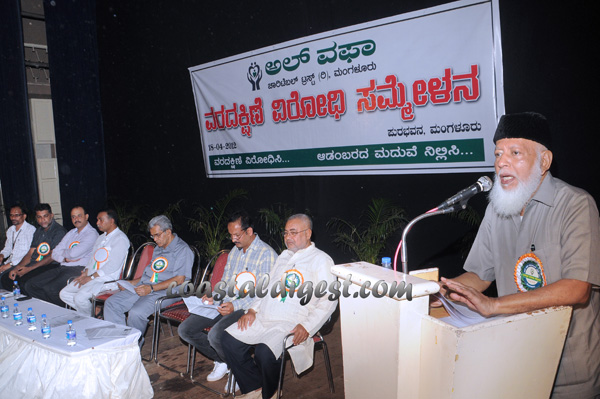
Speaking after inaugurating the 'Varadakshine Virodhi Sammelana' here at Town Hall under the aegis of Wafa Charitable Trust, Mangalore, the Qazi insisted that the problem cannot be solved by mere speeches and sermons by the Qateebs and the scholars.

“The problem can be solved only through change of heart. We have to change the mindset of the people. Today, every parent thinks about conducting his or her son/dauther's wedding in a grand manner. But, according to Islam, marriage can be solemnized in the presence of just two witnesses. As per Islamic traditions, marriage is a very simple and easy process. But unfortunately, we have converted this into a huge problem,” the Qazi said.

Quoting verses from Quran and the traditions of the prophet, Twaqa Ahmed Musliyar, exhorted the community members to come forward and enroll names of their son/daughter in a registrar stating that they would not take dowry and would conduct the marriage in a simple way.

“This can be one way of solving the problem. We should also ask youth of marriageable age to come forward and declare that they would desist dowry and follow austerity during their wedding,” he said and declared that 'mass marriages' are not the permanent solution to the deep-rooted problem of dowry.

Explaining how dowry has become a menace for Muslim community both in India and abroad, the Qazi said, many parents are not able to marry off their daughters even though they have crossed the marriageable age as they are not able to meet the requirements of the groom and his parents. “The problem acquires a different dimension in the Arabian countries. In several middle-east countries, youths are not able to get married because of the demand for huge money from the parents of the girl. Although, Islam makes it mandatory for the groom to give 'mehr' before marriage, the bride and her parents are making things difficult for the young males, by putting forth unreasonable demands. In several gulf countries, the government had to intervene to help out economically backward men in their bid to get married. The banks are also offering loans to prospective bridegrooms,” he said.

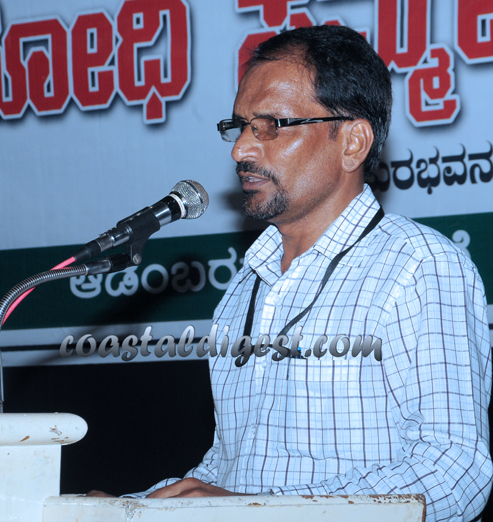
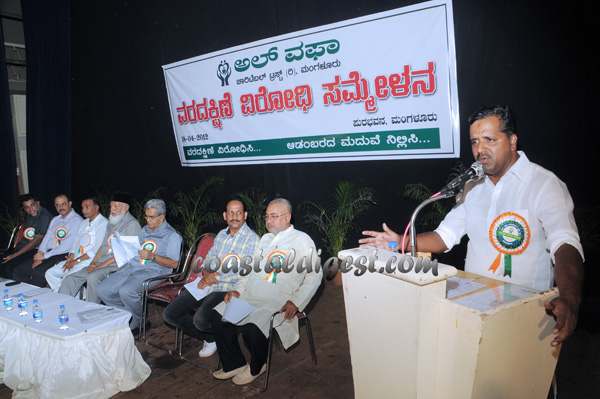
Umar U.H., general secretary, Al Wafa Charitable Trust, who presented a paper titled 'How can we build a dowry-free society', insisted that dowry was an anathema in Islam, and was not found during the Prophet Mohammed's period or the period of Khilaphat in Islam.

“Islam has clearly laid down that a man should give mehr during the wedding to his wife and this has to be fixed prior to the marriage. Unfortunately, we see it being transformed into a mere ritual today,” he said.

Dealing on the ill-effects of dowry, he said, the demands for dowry could also lead to a spurt in inter-caste marriages. “Families are becoming pauper by selling off their home and other properties just to get their daughters married. Those who do not have any property to sell borrow money from banks or financial institutions and entangle themselves in the trap of loan. A good number of marriages are today breaking down because dowry continues to play a predominant role even after marriage and the feelings of trust and love get sidelined. Many Muslim women are undergoing harassment and abuse because of dowry. The dowry menace is also leading to polygamous marriages with the greedy men going for new alliances after getting a taste of the ill-gotten money,” he said.

On the issue of extravagance and lavishness during the wedding, he highlighted the need to creare awareness in the community about simple marriages. He also flayed spending lavishly for the invitation and urged the people to bring it to the notice of the people at the time of accepting the invitation.

However, he insisted, that it was not wrong on the part of the well-off families to hold their weddings according to their prestige. “When two well-off families get ready to celebrate their marriage, they would invariably have to invite more number of people in conformity with their prestige, requirements of their field and profession. They will also have to go for spacious auditoriums accordingly. They will have to provide good food for the invitees. Such marriages cannot be called as extravagant marriages. However, if someone just for the sake of prestige borrows money during marriage, that can be termed as squandering of wealth,” he observed.

He urged the youth to register their protest against dowry and extravagant marriage functions. “Dowry is not just a problem of the poor. It has also taken the rich in its fold. It is a bad custom. We can form a dowry-free society if there is fear of God in the minds of the people along with the fear of having to face a protest,” Mr. Umar observed.

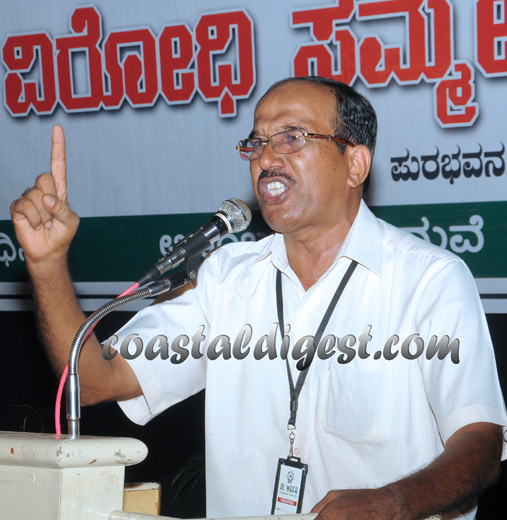
Responding to the paper, Abdul Raheem Teekay, founder president of the Kendra Beary Sahitya Parishat, Mangalore, said it would be a futile exercise if we did not get to the bottom of the issue when discussing issues like dowry. He also said that it was necessary to deconstruct the popular myths while finding a solution to the problem of dowry. “It is easy to blame the Ulemas and the rich for the menace. But we should also try to understand how such customs become socially inevitable for a young boy who with his limited earning has to invite his family and friends for his wedding reception,” he said.

NKM Shafi Saadi, president, Karnataka Wakf Board, Mysore Region, said dowry was an unislamic and evil custom, which is rampant all over the State. However, reacting to the pleas for declaring it as haram (forbidden), he said scholars do not have the jurisdiction to issue such a fatwa. “It has to be based on the teachings of Quran and Hadith,” he observed.

B.A. Mohammed Haneef, Working president of Akhila Bharata Beary Parishat, Mangalore, took objections to the veiled defence of 'extravagant wedding celebrations' in the paper presented by Umer. “This was uncalled for. I am also disappointed by the speech of the Qazi, who still thinks change of heart is the solution. He should admit that scholars and religious leaders have a huge role to play in the eradication of the menace,” he said.


Mohammed Badruddin, president of Al Wafa Charitable Trust, delivered a welcome speech. He said as many as 30 marriages of poor couples had been solemnised by the organisation last year. S.B. Yusuf Musliyar, Khateeb of Kanjalkodi Jumma Masjid, recited verses from Holy Quran. Abdul Razak Ananthady compered the programme.


alwafa1

Al_wafa_3

Al_wafa_4

Al_wafa_5

Al_wafa_6

Al_wafa_7

Al_wafa_8

Al_wafa_9

Al_wafa_10

Al_wafa_12

Al_wafa_13

Al_wafa_14

Al_wafa_15

Al_wafa_16

Al_wafa_2

AL_WafaSEC_1

AL_WafaSEC_2

AL_WafaSEC_3

AL_WafaSEC_4

AL_WafaSEC_5

AL_WafaSEC_6

AL_WafaSEC_7


Comments

Add new comment

  • Coastaldigest.com reserves the right to delete or block any comments.
  • Coastaldigset.com is not responsible for its readers’ comments.
  • Comments that are abusive, incendiary or irrelevant are strictly prohibited.
  • Please use a genuine email ID and provide your name to avoid reject.
News Network
February 5,2026

In an era where digital distractions are the primary rival to academic excellence, the Karnataka Education Department is taking the fight directly to the living room. As the SSLC (Class 10) annual examinations loom, officials have launched a localized "digital strike" to ensure students aren't losing their competitive edge to scrolling or soap operas.

The 7-to-9 Lockdown

The department has issued a formal directive urging—and in some cases, enforcing via home visits—a total blackout of mobile phones and television sets between 7:00 PM and 9:00 PM. This two-hour window is being designated as "sacred study time" across the state until the examinations conclude on April 2.

Key Pillars of the Initiative:

•    Doorstep Advocacy: Teachers are transitioning from classrooms to living rooms, meeting parents to explain the psychological benefits of a distraction-free environment.

•    Parental Accountability: The campaign shifts the burden of discipline from the student to the household, asking parents to lead by example and switch off their own devices.

•    The Timeline: The focus remains sharp on the upcoming exam block, scheduled from March 18 to April 2.

"The objective is simple: uninterrupted focus. We are reclaiming the evening hours for the students, ensuring their environment is as prepared as their minds," stated a senior department official.

Student vs. Reality

While the student community has largely welcomed the "forced focus"—with many admitting they lack the willpower to ignore notifications—the move has sparked a debate on enforceability. Without a "TV Police," the success of this initiative rests entirely on the shoulders of parents and the persuasive power of visiting educators.

Comments

Add new comment

  • Coastaldigest.com reserves the right to delete or block any comments.
  • Coastaldigset.com is not responsible for its readers’ comments.
  • Comments that are abusive, incendiary or irrelevant are strictly prohibited.
  • Please use a genuine email ID and provide your name to avoid reject.
News Network
February 3,2026

Kanchur2.jpg

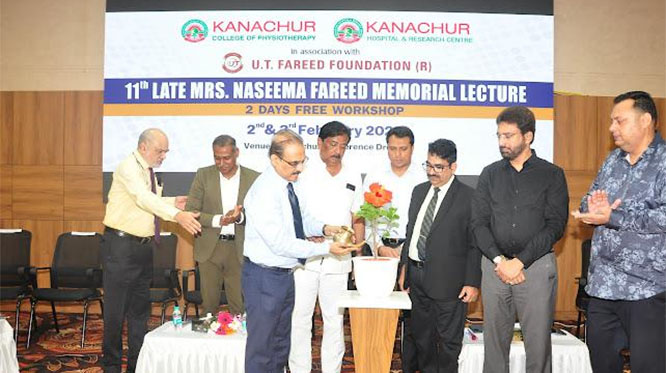
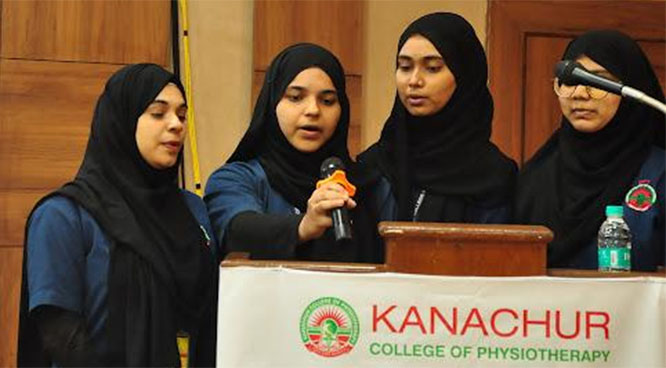
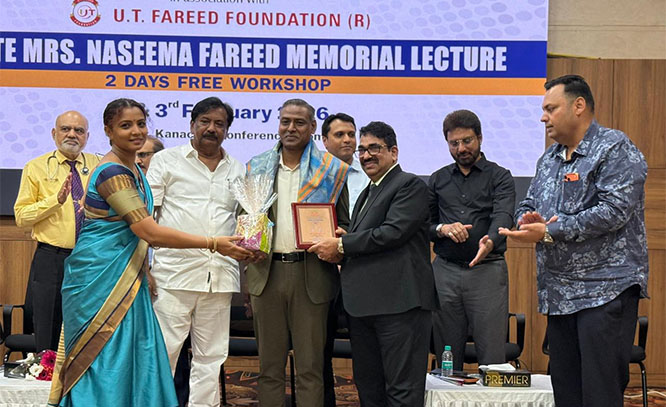
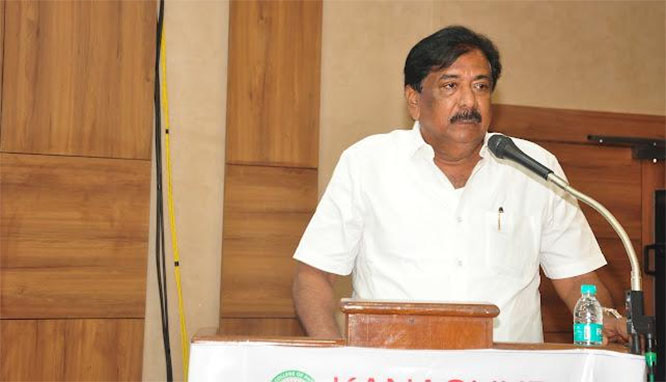
Mangaluru, Feb 3: Kanachur College of Physiotherapy and Kanachur Hospital & Research Centre, in association with U.T. Fareed Foundation (R), organised the 11th Late Mrs. Naseema Fareed Memorial Lecture on Tuesday.

The programme was inaugurated by Dr. Subramanyam K, Head of the Department and Professor, Department of Cardiology, Srinivas Institute of Medical Sciences & Research Centre, Mangaluru. In his inaugural address, Dr. Subramanyam delivered an insightful talk highlighting the vital role of physiotherapy in modern medical care, particularly in cardiac rehabilitation, patient recovery, and improving overall quality of life through a multidisciplinary healthcare approach.

The presidential address was delivered by Dr. Haji U.K. Monu, Chairman, KIET. The keynote address was presented by Dr. Mohammed Ismail Hejamady, who spoke on the evolving scope and significance of physiotherapy.

The event was held in the presence of Mr. Abdul Rahiman, Director, Kanachur Institute of Medical Sciences, Mangaluru; Dr. Vaishali Sreejith, Senate Member, Rajiv Gandhi University of Health Sciences, Bengaluru; Dr. Sudhan S.G., Professor and Principal, Krupanidhi College of Physiotherapy, Bengaluru; Dr. Shanavaz Manipady, Dean, Kanachur Institute of Medical Sciences, Mangaluru; and Dr. Venkat Rai Prabhu, Member, Kanachur Health Science Advisory Council, Kanachur Hospital & Research Centre.

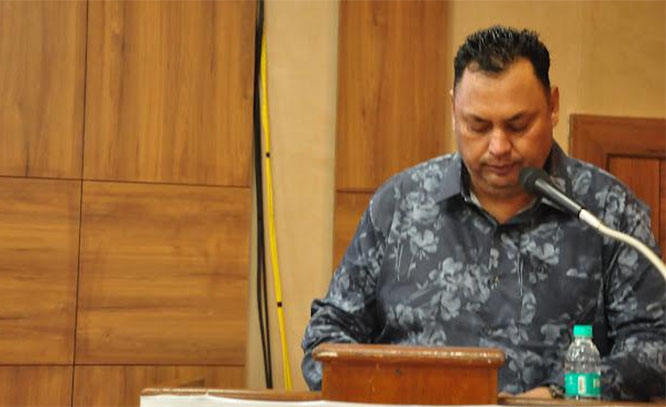
Dr. Mohammad Suhail, Dean, Kanachur College of Physiotherapy, welcomed the guests and delegates.

As part of the programme, a two-day free workshop was organised on the following topics:

•    Art of Practice in Cardiopulmonary Conditions by Dr. Sudhan S.G., Principal, Krupanidhi College of Physiotherapy

•    The Gift of Life – Organ Donation by Dr. Rohan Monis, Chief Administrative Medical Officer

•    Chest X-ray Interpretation by Dr. Hemanth, Department of Radiology, KIMS

•    Pulmonary Rehabilitation by Dr. Vijaya Kumar, Department of Respiratory Medicine, KIMS

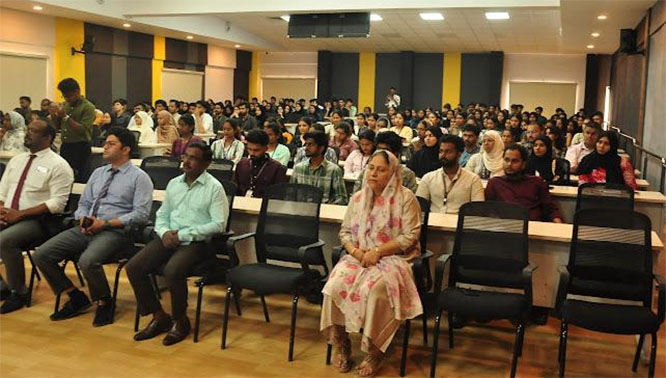
Organisers noted that the memorial lecture series has been conducted continuously for the 11th year, benefiting interns and postgraduate students from various colleges across Mangaluru. A total of 130 delegates attended the workshop.

Dr. Reshma, Vice Principal, Kanachur College of Physiotherapy, Mangaluru, delivered the vote of thanks.

Kanchur7.jpg

Kanchur6.jpg

Kanchur5.jpg

Kanchur4.jpg

Kanchur3.jpg

Kanchur1.jpg

Comments

Add new comment

  • Coastaldigest.com reserves the right to delete or block any comments.
  • Coastaldigset.com is not responsible for its readers’ comments.
  • Comments that are abusive, incendiary or irrelevant are strictly prohibited.
  • Please use a genuine email ID and provide your name to avoid reject.
News Network
February 3,2026

Bengaluru: Following reports of fresh Nipah virus (NiV) cases in West Bengal and heightened vigilance across parts of Southeast Asia, the Karnataka Health Department has placed the state on high alert and activated emergency preparedness protocols.

Health officials said enhanced surveillance measures have been initiated after two healthcare workers in Barasat, West Bengal, tested positive for the virus earlier this month. While no cases have been reported in Karnataka so far, authorities said the state’s past exposure to Nipah outbreaks and high inter-state mobility warranted preventive action.

Officials have directed district health teams to intensify monitoring, particularly at hospitals and points of entry, and to ensure early detection and isolation of suspected cases.

High Mortality Virus with Multiple Transmission Routes

Nipah virus is a zoonotic disease that can spread from animals to humans and has a reported fatality rate ranging between 60 and 75 per cent. Fruit bats, also known as flying foxes, are the natural reservoirs of the virus and can transmit it by contaminating food sources with saliva or urine.

Known modes of transmission include:

•    Contaminated food: Consumption of fruits partially eaten by bats or raw date-palm sap
•    Animal contact: Exposure to infected pigs or other animals
•    Human-to-human transmission: Close contact with body fluids of infected persons, particularly in healthcare settings

Symptoms and Disease Progression

The incubation period typically ranges from 4 to 14 days, though delayed onset has also been reported. Early symptoms often resemble common viral infections, making prompt clinical suspicion critical.

•    Initial symptoms: Fever, headache, body aches, fatigue, sore throat
•    Progressive symptoms: Drowsiness, disorientation, altered mental state
•    Severe stage: Seizures, neck stiffness and acute encephalitis, which can rapidly progress to coma

Public Health Advisory

The Health Department has issued precautionary guidelines urging the public to adopt risk-avoidance practices to prevent any local spillover.

Do’s
•    Wash fruits thoroughly before consumption
•    Drink boiled and cooled water
•    Use protective equipment while handling livestock
•    Maintain strict hand hygiene

Don’ts
•    Avoid fruits found on the ground or showing bite marks
•    Do not consume beverages made from raw tree sap, including toddy
•    Avoid areas with dense bat populations
•    Do not handle sick or dead animals

Preparedness Measures

Officials confirmed that isolation wards are being readied in major government hospitals and that medical staff are being sensitised to identify early warning signs.

“There is no cause for panic, but there is a need for heightened vigilance,” a senior health official said, adding that there is currently no approved vaccine or specific antiviral treatment for Nipah, and care remains largely supportive.

Comments

Add new comment

  • Coastaldigest.com reserves the right to delete or block any comments.
  • Coastaldigset.com is not responsible for its readers’ comments.
  • Comments that are abusive, incendiary or irrelevant are strictly prohibited.
  • Please use a genuine email ID and provide your name to avoid reject.