



Anti-slaughter Act criminalized livelihoods, legalised vigilantism in Karnataka: Study

News Network
November 18, 2021

cows.jpg

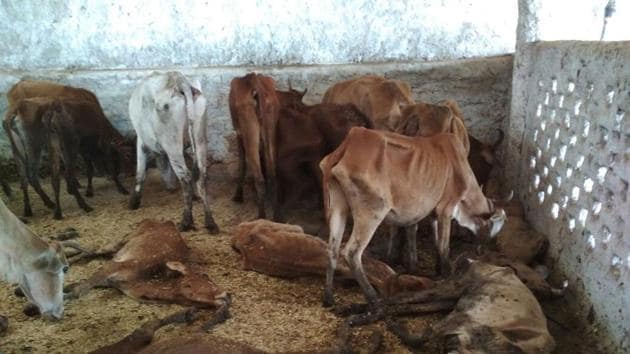
Even though the ‘Karnataka Prevention of Slaughter and Preservation of Cattle Act, 2020’, claims to protect cattle and increase the breed of cattle, in reality the Act has a detrimental impact on the cattle rearing and market ecosystem, according to a scientific study. 

The study was led by public health specialist Sylvia Karpagam and independent researcher Siddharth Joshi. The study was an initiative by a group of researchers part of Ahaara Namma Hakku collective. 

The study report “Criminalising Livelihoods, Legalising Vigilantism” analyses the impact of the legislation on various communities including farmers, cattle transporters, slaughterhouses, skin and hide curing units, butchers, eateries and consumers.
It states that the justification provided by the government to implement the Act “betrays a complete lack of understanding of how the cattle production cycle works, and the utter disregard for the destructive impact it is going to have on the lives, incomes and livelihoods of the those who are part of the long chain of economic activities sustained by slaughter of cattle...”

While farmers usually sell unproductive cattle to traders who transport them to slaughterhouses, the new legislation which prohibits the slaughter of bulls, bullocks and buffaloes (below the age of 13 years), criminalizes traders who buy cattle for slaughter. Without an option to sell unproductive animals, farmers have to continue taking care of the animal making it economically unviable, it says. The report also highlights farmers lamenting how the legislation portrays them like criminals, leaving them vulnerable to vigilantes.

Further, the measures proposed by the government for mitigation of these adverse impacts are also impractical, it points out. For instance, while the government has proposed to take care of stray cattle in gaushalas, it doesn’t solve the economic loss to the farmers from being unable to sell the unproductive cattle. The report also quotes stakeholders who point out that cattle aren’t fed properly in gaushalas and they are sold on the sly. 

Considering that Karnataka is grappling with malnutrition, the researchers emphasize the importance of beef as a nutrition source.

Karpagam demanded that the government revoke the Act. “Else, it should at least allow slaughter of all other animals such as ox and bull. Now the exemption is allowed only for buffalo, which people in Karnataka do not consume,” she said.

Comments

Add new comment

  • Coastaldigest.com reserves the right to delete or block any comments.
  • Coastaldigset.com is not responsible for its readers’ comments.
  • Comments that are abusive, incendiary or irrelevant are strictly prohibited.
  • Please use a genuine email ID and provide your name to avoid reject.
News Network
February 5,2026

In an era where digital distractions are the primary rival to academic excellence, the Karnataka Education Department is taking the fight directly to the living room. As the SSLC (Class 10) annual examinations loom, officials have launched a localized "digital strike" to ensure students aren't losing their competitive edge to scrolling or soap operas.

The 7-to-9 Lockdown

The department has issued a formal directive urging—and in some cases, enforcing via home visits—a total blackout of mobile phones and television sets between 7:00 PM and 9:00 PM. This two-hour window is being designated as "sacred study time" across the state until the examinations conclude on April 2.

Key Pillars of the Initiative:

•    Doorstep Advocacy: Teachers are transitioning from classrooms to living rooms, meeting parents to explain the psychological benefits of a distraction-free environment.

•    Parental Accountability: The campaign shifts the burden of discipline from the student to the household, asking parents to lead by example and switch off their own devices.

•    The Timeline: The focus remains sharp on the upcoming exam block, scheduled from March 18 to April 2.

"The objective is simple: uninterrupted focus. We are reclaiming the evening hours for the students, ensuring their environment is as prepared as their minds," stated a senior department official.

Student vs. Reality

While the student community has largely welcomed the "forced focus"—with many admitting they lack the willpower to ignore notifications—the move has sparked a debate on enforceability. Without a "TV Police," the success of this initiative rests entirely on the shoulders of parents and the persuasive power of visiting educators.

Comments

Add new comment

  • Coastaldigest.com reserves the right to delete or block any comments.
  • Coastaldigset.com is not responsible for its readers’ comments.
  • Comments that are abusive, incendiary or irrelevant are strictly prohibited.
  • Please use a genuine email ID and provide your name to avoid reject.