People breathe a sigh of relief as rainy season begins in Coastal districts

[email protected] (CD Network, Photos by Ahmed Anwar)
June 5, 2012

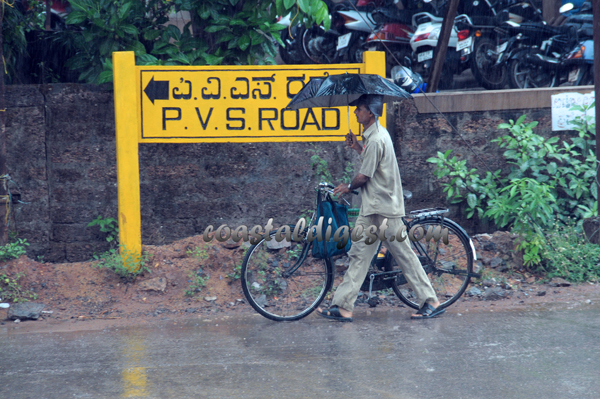
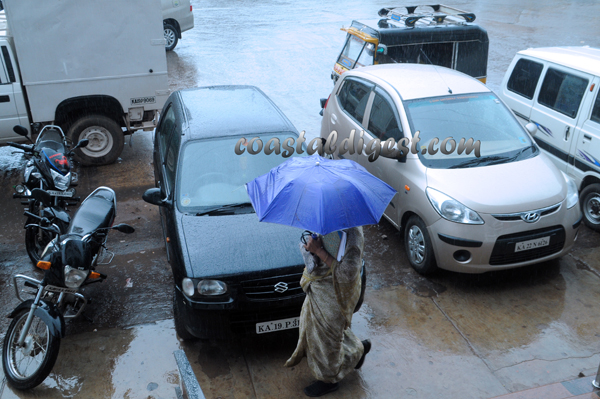
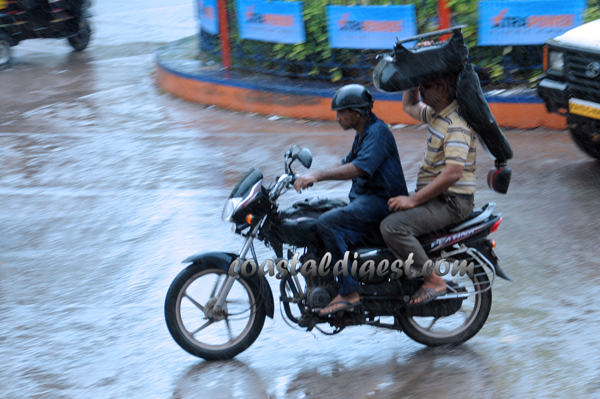
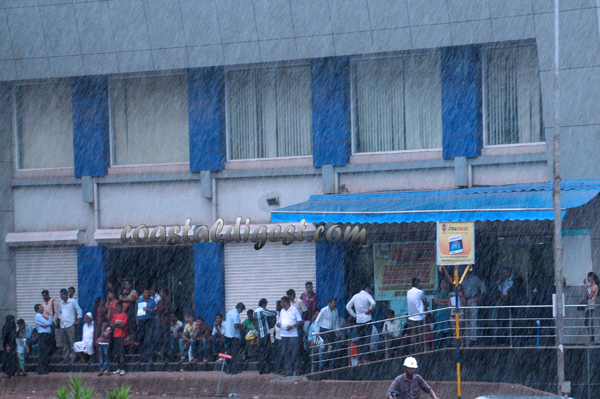
Mangalore, June 5: Coastal districts of Karnataka have been receiving heavy rain with thunder storms since Monday afternoon, setting a much-awaited stage for the arrival of monsoon in the State.

The constant rains brought the much-needed respite to the people of Dakshina Kannada and Udupi from the oppressive heat.

However, motorists and pedestrians including school children had to face the problem as many roads were inundated due to heavy rains in both the coastal cities of Mangalore and Udupi.

India Metrological Department (IMD), Bangalore, had forecast that the coast would receive over 65 mm of rain on Monday and Tuesday. The forecast came true as people in the twin districts woke up to a rainy morning on Tuesday.

However, B. Puttana, Director of the department, said that it was too early to declare this as the onset of monsoon.

“Monsoon has officially not hit the Kerala or Karnataka coast. Though it will rain heavily, the wind speeds are just around 10 nautical miles, when it should be more than 30 to be declared as monsoon showers. Dakshina Kannada and coastal areas are only receiving pre-monsoon showers,” he said.

He said if rain persisted over the coast and conditions continued to remain favourable, the onset of monsoon may be declared as early as June 6.

And with wind speeds picking up and the seas expected to be choppy, the department had advised fishermen to refrain from venturing into the sea.

In Delhi, India Meteorological Department Director-General Laxman Singh Rathore said: “Monsoon is round the corner. Parts of Kerala have been receiving rain since this morning. We may declare the onset of monsoon by Wednesday.”

Kerala usually receives monsoon showers by June 1. Rathore said there was no need to paint a gloomy picture as the progress of the seasonal rainfall phenomenon was well with the forecast limits which have a model error of four days.

A unique feature of this year's monsoon will be its steady progress along the western coast bringing rain to coastal Kerala and leaving the peninsular region relatively dry. Current observations show central and northern Kerala receiving rainfall whileThiruvananthapuram getting little rain.

Weather watchers attribute the slight delay in the onset of monsoon to “Typhoon Mawar,” which was active in the western Pacific Ocean off the Philippines and sucking away moisture and wind currents to power itself.

“The typhoon has moved northward towards Japan and will no longer affect the progression of the monsoon,” Rathore said.

Monsoon rains are crucial for agriculture as only 40 per cent of the cultivable area is under irrigation. The farm sector contributes about only 15 per cent to the country's Gross Domestic Product, but it employs about 60 per cent of India's population. Rathore said deviation of three to four days in arrival of monsoon rains would have no adverse impact on sowing of kharif crops.

"There is no concern for paddy sowing because seedlings are raised first in nursery through irrigation and then transplanted in the field much later,” he said.

There may be no impact on cotton and sugarcane crops as these long-duration crops are mostly cultivated in areas with irrigation facilities.

On the back of good monsoon in 2010 and 2011, the country harvested a record grain production of 245 million tonnes and 252.56 million tonnes, respectively.

Rain_Mangalore_1

Rain_Mangalore_2

Rain_Mangalore_3

Rain_Mangalore_4

Rain_Mangalore_5

Rain_Mangalore_6

Rain_Mangalore_7

Rain_Mangalore_8

Rain_Mangalore_9

Rain_Mangalore_10

Comments

Add new comment

  • Coastaldigest.com reserves the right to delete or block any comments.
  • Coastaldigset.com is not responsible for its readers’ comments.
  • Comments that are abusive, incendiary or irrelevant are strictly prohibited.
  • Please use a genuine email ID and provide your name to avoid reject.
News Network
February 3,2026

Kanchur2.jpg

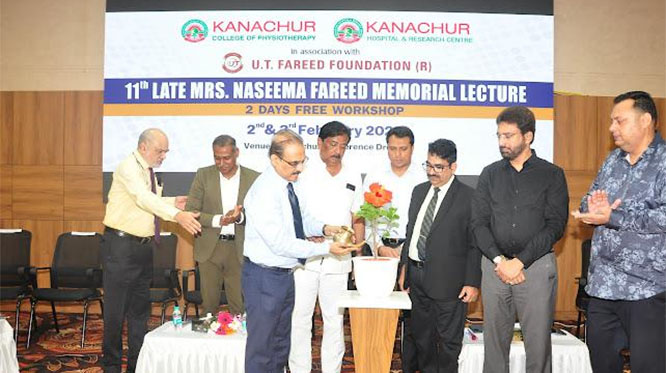
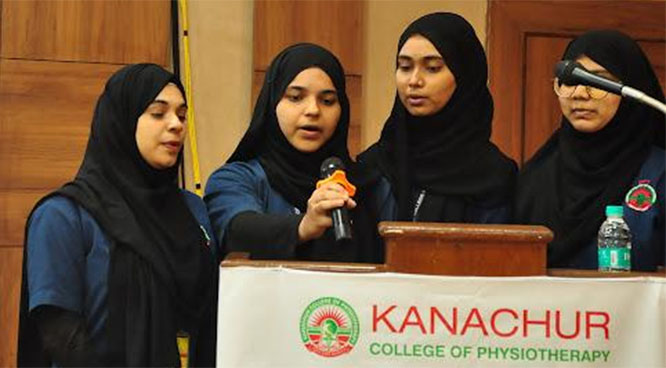
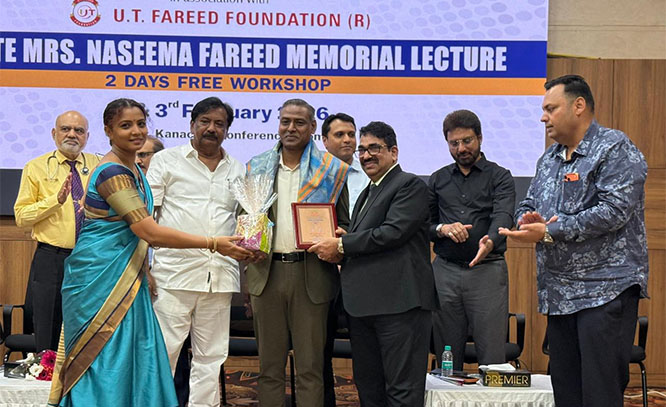
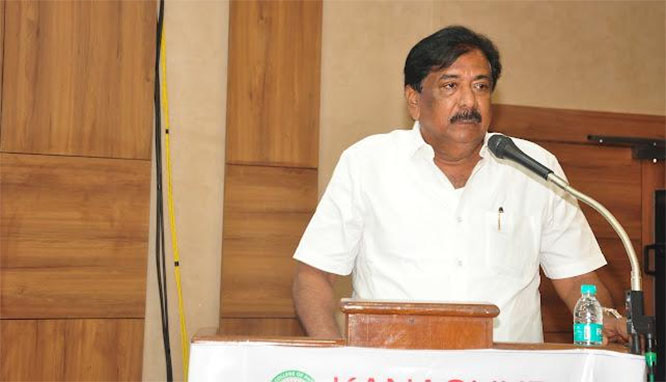
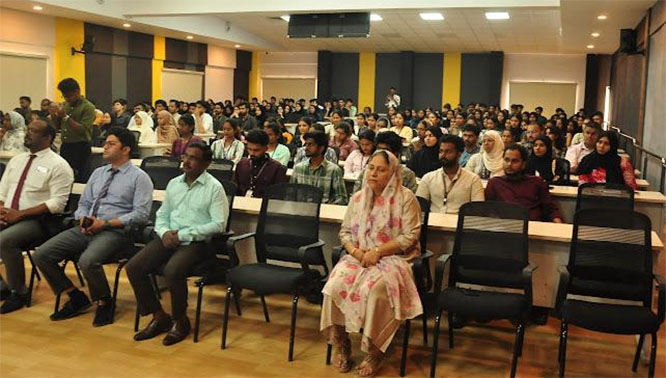
Mangaluru, Feb 3: Kanachur College of Physiotherapy and Kanachur Hospital & Research Centre, in association with U.T. Fareed Foundation (R), organised the 11th Late Mrs. Naseema Fareed Memorial Lecture on Tuesday.

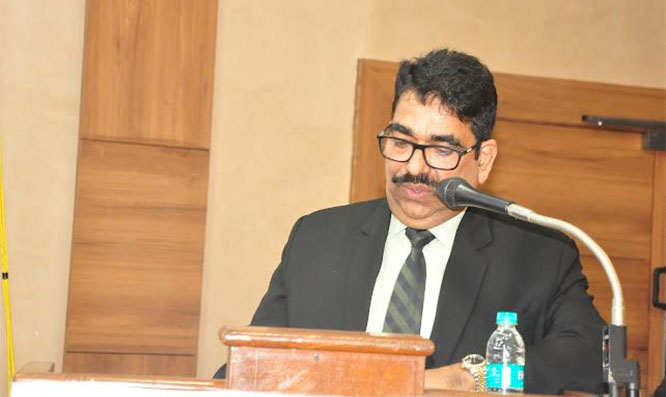
The programme was inaugurated by Dr. Subramanyam K, Head of the Department and Professor, Department of Cardiology, Srinivas Institute of Medical Sciences & Research Centre, Mangaluru. In his inaugural address, Dr. Subramanyam delivered an insightful talk highlighting the vital role of physiotherapy in modern medical care, particularly in cardiac rehabilitation, patient recovery, and improving overall quality of life through a multidisciplinary healthcare approach.

The presidential address was delivered by Dr. Haji U.K. Monu, Chairman, KIET. The keynote address was presented by Dr. Mohammed Ismail Hejamady, who spoke on the evolving scope and significance of physiotherapy.

The event was held in the presence of Mr. Abdul Rahiman, Director, Kanachur Institute of Medical Sciences, Mangaluru; Dr. Vaishali Sreejith, Senate Member, Rajiv Gandhi University of Health Sciences, Bengaluru; Dr. Sudhan S.G., Professor and Principal, Krupanidhi College of Physiotherapy, Bengaluru; Dr. Shanavaz Manipady, Dean, Kanachur Institute of Medical Sciences, Mangaluru; and Dr. Venkat Rai Prabhu, Member, Kanachur Health Science Advisory Council, Kanachur Hospital & Research Centre.

Dr. Mohammad Suhail, Dean, Kanachur College of Physiotherapy, welcomed the guests and delegates.

As part of the programme, a two-day free workshop was organised on the following topics:

•    Art of Practice in Cardiopulmonary Conditions by Dr. Sudhan S.G., Principal, Krupanidhi College of Physiotherapy

•    The Gift of Life – Organ Donation by Dr. Rohan Monis, Chief Administrative Medical Officer

•    Chest X-ray Interpretation by Dr. Hemanth, Department of Radiology, KIMS

•    Pulmonary Rehabilitation by Dr. Vijaya Kumar, Department of Respiratory Medicine, KIMS

Organisers noted that the memorial lecture series has been conducted continuously for the 11th year, benefiting interns and postgraduate students from various colleges across Mangaluru. A total of 130 delegates attended the workshop.

Dr. Reshma, Vice Principal, Kanachur College of Physiotherapy, Mangaluru, delivered the vote of thanks.

Kanchur7.jpg

Kanchur6.jpg

Kanchur5.jpg

Kanchur4.jpg

Kanchur3.jpg

Kanchur1.jpg

Comments

Add new comment

  • Coastaldigest.com reserves the right to delete or block any comments.
  • Coastaldigset.com is not responsible for its readers’ comments.
  • Comments that are abusive, incendiary or irrelevant are strictly prohibited.
  • Please use a genuine email ID and provide your name to avoid reject.
News Network
February 3,2026

Bengaluru: Following reports of fresh Nipah virus (NiV) cases in West Bengal and heightened vigilance across parts of Southeast Asia, the Karnataka Health Department has placed the state on high alert and activated emergency preparedness protocols.

Health officials said enhanced surveillance measures have been initiated after two healthcare workers in Barasat, West Bengal, tested positive for the virus earlier this month. While no cases have been reported in Karnataka so far, authorities said the state’s past exposure to Nipah outbreaks and high inter-state mobility warranted preventive action.

Officials have directed district health teams to intensify monitoring, particularly at hospitals and points of entry, and to ensure early detection and isolation of suspected cases.

High Mortality Virus with Multiple Transmission Routes

Nipah virus is a zoonotic disease that can spread from animals to humans and has a reported fatality rate ranging between 60 and 75 per cent. Fruit bats, also known as flying foxes, are the natural reservoirs of the virus and can transmit it by contaminating food sources with saliva or urine.

Known modes of transmission include:

•    Contaminated food: Consumption of fruits partially eaten by bats or raw date-palm sap
•    Animal contact: Exposure to infected pigs or other animals
•    Human-to-human transmission: Close contact with body fluids of infected persons, particularly in healthcare settings

Symptoms and Disease Progression

The incubation period typically ranges from 4 to 14 days, though delayed onset has also been reported. Early symptoms often resemble common viral infections, making prompt clinical suspicion critical.

•    Initial symptoms: Fever, headache, body aches, fatigue, sore throat
•    Progressive symptoms: Drowsiness, disorientation, altered mental state
•    Severe stage: Seizures, neck stiffness and acute encephalitis, which can rapidly progress to coma

Public Health Advisory

The Health Department has issued precautionary guidelines urging the public to adopt risk-avoidance practices to prevent any local spillover.

Do’s
•    Wash fruits thoroughly before consumption
•    Drink boiled and cooled water
•    Use protective equipment while handling livestock
•    Maintain strict hand hygiene

Don’ts
•    Avoid fruits found on the ground or showing bite marks
•    Do not consume beverages made from raw tree sap, including toddy
•    Avoid areas with dense bat populations
•    Do not handle sick or dead animals

Preparedness Measures

Officials confirmed that isolation wards are being readied in major government hospitals and that medical staff are being sensitised to identify early warning signs.

“There is no cause for panic, but there is a need for heightened vigilance,” a senior health official said, adding that there is currently no approved vaccine or specific antiviral treatment for Nipah, and care remains largely supportive.

Comments

Add new comment

  • Coastaldigest.com reserves the right to delete or block any comments.
  • Coastaldigset.com is not responsible for its readers’ comments.
  • Comments that are abusive, incendiary or irrelevant are strictly prohibited.
  • Please use a genuine email ID and provide your name to avoid reject.
News Network
February 8,2026

Baraka1.jpg

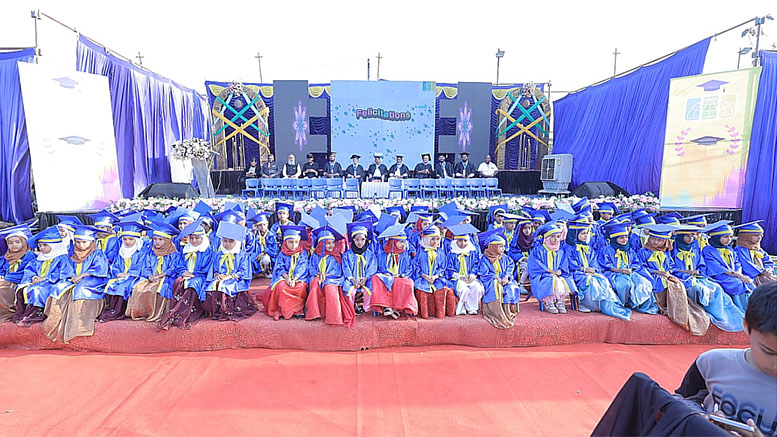
Mangaluru: Emphasising the importance of integrating cultural awareness with formal education, former Mangaluru North MLA and noted community leader Moidin Bawa said such an approach is vital for the holistic development of children and helps shape responsible, confident future citizens. He was speaking as the chief guest at the Prep Graduation Ceremony of Barakah International School and College.

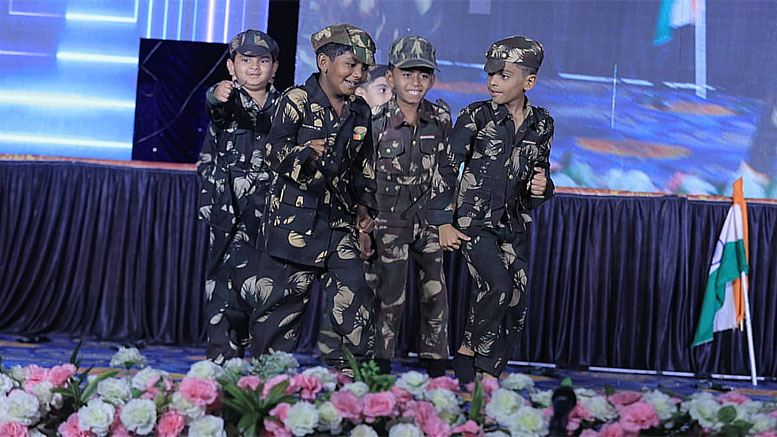
The young graduates enthralled the audience with a vibrant mix of performances, including skits, action songs, short plays, and other engaging cultural programmes that showcased the creativity and confidence nurtured by the institution.

The event was graced by several prominent personalities, including Abdul Naser “Lucky Star”, President of the Wakf Advisory Committee; Dr Mohammed Nohman, Orthopaedic Surgeon; S. A. Khaleel, Chairman of the Bolar Islamic Centre; Naufal Kokkada, President of the SKSM Youth Wing; Suhail Kandak, Chairman of the Make a Change Foundation; and Mohammad Ashraf Badriya, President of Muslim Aikyata Vedike, among others.

The programme began with a warm welcome by Principal Sharfuddin B.S., who highlighted Barakah’s distinctive educational philosophy that blends academic excellence with strong moral and cultural values.

Ayan Ashraf, Director of Barakah, conveyed the Chairman’s message and reaffirmed the institution’s commitment to value-based education.

The vote of thanks was proposed by Mohammed Haneef, Principal of Islamic Studies.

Barakah International School and College is a reputed educational institution in Mangaluru, offering quality education from nursery to degree level. The institution is known for its holistic education model that harmoniously integrates cultural values with academic excellence, ensuring the all-round development of students.

Baraka3.jpg

Baraka2.jpg

Comments

Add new comment

  • Coastaldigest.com reserves the right to delete or block any comments.
  • Coastaldigset.com is not responsible for its readers’ comments.
  • Comments that are abusive, incendiary or irrelevant are strictly prohibited.
  • Please use a genuine email ID and provide your name to avoid reject.