Israel, India share similarities of creativity, terrorism'

[email protected] (CD Network, Photo by Ahmed Anwar)
July 31, 2012

Canara_4

israel_copy

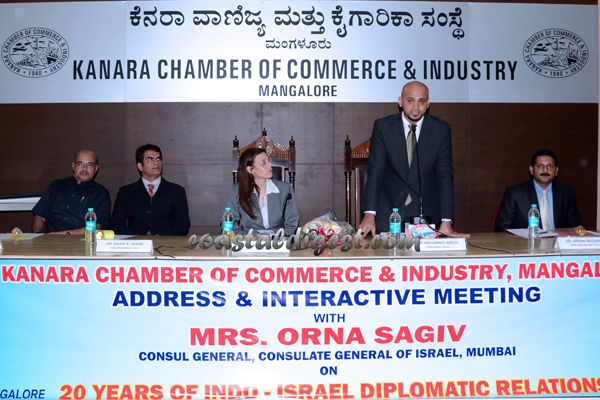
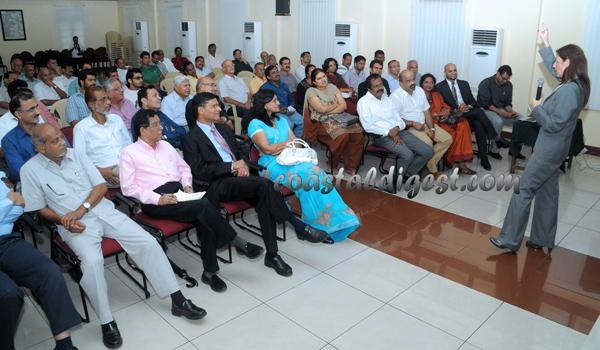
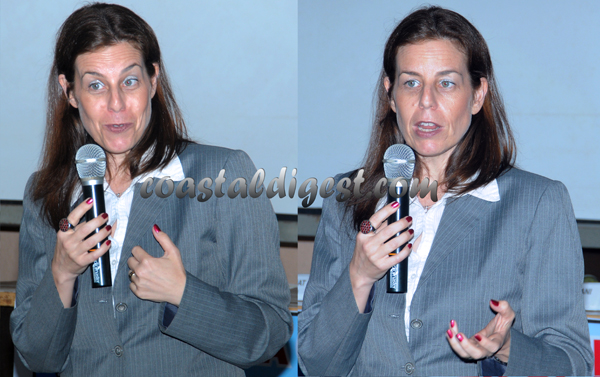
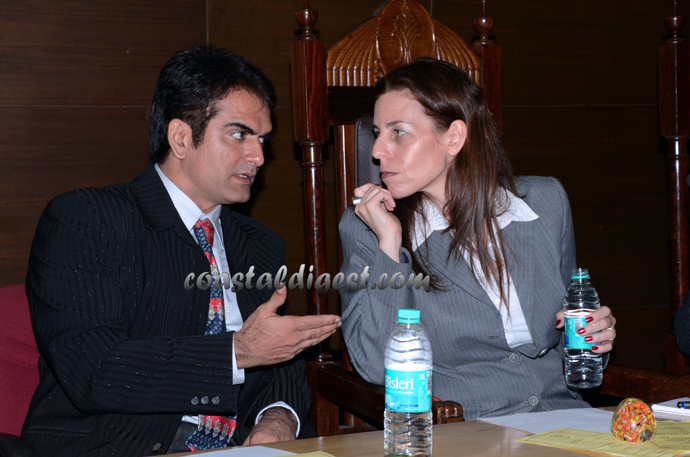
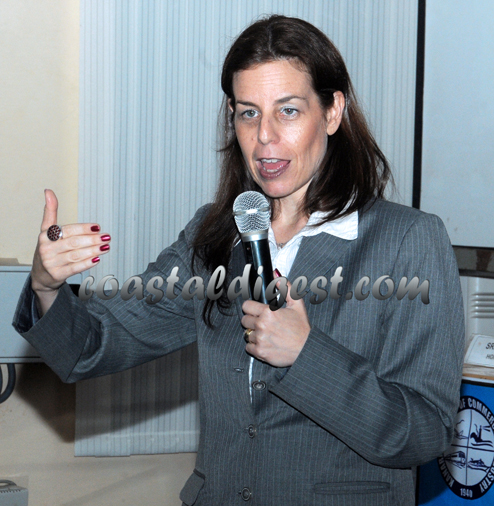
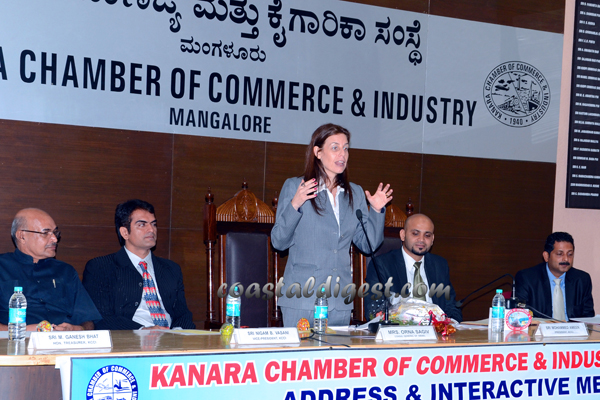
Mangalore, July 31: A common factor in India and Israel is that people of both countries possess an innovative approach, said Orna Sagiv, Consul General of Israel.

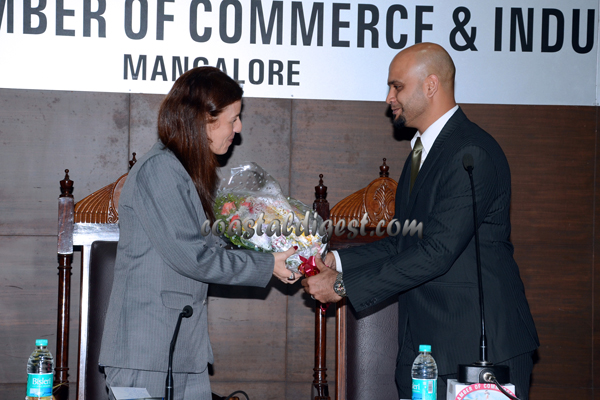
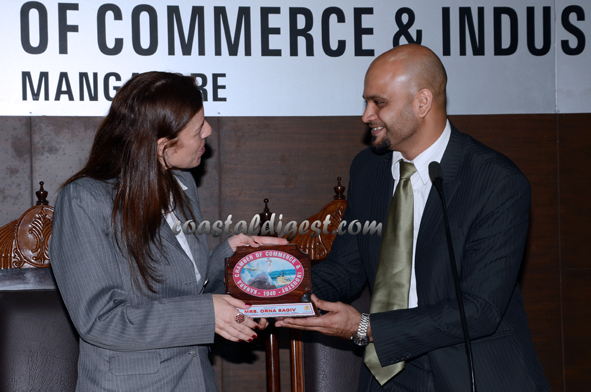
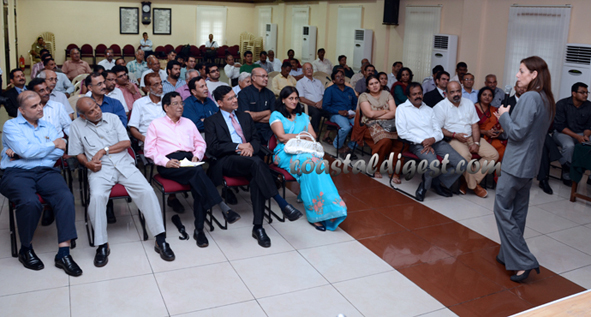
She was delivering a talk on Indo-Israel trade relations at the Kanara Chamber of Commerce and Industry, Mangalore, on Tuesday.

Innovation, creativity, and entrepreneurship ability are three things that Israeli people possess in abundance and all three qualities are found in Indians too, she said. “From Tatas to the dabba wallahs of Bombay, I found great entreprenership ability in Indians”, she said.

Stating that innovations such as mobile phone technology, pen drive data storage and several other innovations have come from Israel, Ms Sagiv said that although a small nation, her country has produced six Nobel prize winners in the field of science alone.

Stating that foreign companies can cost effectively sonduct cutting edge research in Israel, Ms. Sagiv said that IT majors such as Infosys and ICS have growing presence in Israel.

Terming Israel's economic journey over the years as a 'success story', Ms. Sagiv said that in its initial years Israel could not even feed its people completely. “In 1948, Israel had a population of 6 lakh, 65% of them being farmers, but it could not feed all the people. Today, the country has a population almost close to 8 million, with only 2.5% of the people involved in farming but our production is such that we even export our produce. The reason is our technology and scientific approach”, she said.

Ms. Sagiv said that there is a need to ensure security of food, water and energy for the future. “Although we have limited water resources and just one sweet water lake, Israel is No.1 in the world when it comes to water solutions. We have the technology to recycle water and each and every child in Israel is taught to save water”, she said.

'Terrorism is common problem of India, Israel'

Ms. Sagiv said that India and Israel have many things in common and the problem of terrorism is one too.

“The Jewish and the Indian people have many similarities. Our countries have long histories. We both are democracies and true democracies as we uphold the values of human life and freedom of speech. The problem of terrorism from our respective neighbours is also a common hurdle we face”, she said.
Canara_1

Canara_2

Canara_3

Canara_4

Canara_5

Canara_6

Canara_7

Canara_8

Comments

Add new comment

  • Coastaldigest.com reserves the right to delete or block any comments.
  • Coastaldigset.com is not responsible for its readers’ comments.
  • Comments that are abusive, incendiary or irrelevant are strictly prohibited.
  • Please use a genuine email ID and provide your name to avoid reject.
News Network
February 4,2026

Mangaluru: Urban local bodies and gram panchayats should make the use of Kannada on signboards mandatory while issuing trade licences to commercial establishments, Dakshina Kannada Deputy Commissioner Darshan HV said. He also called for regular inspections to ensure compliance.

Presiding over the District Kannada Awareness Committee meeting at the deputy commissioner’s office, Darshan said the city corporation would be directed to ensure that shops operating in malls prominently display their names in Kannada. “All commercial establishments, including shops, companies, offices and hotels, must mandatorily display their names in Kannada on signboards,” he said.

The deputy commissioner added that the National Highways Authority of India (NHAI) would be instructed to include Kannada on signboards along national highways. Banks, he said, would be directed through committee meetings to provide application forms in Kannada.

“Even if English-medium schools and colleges impart education in English, their signboards must display the institution’s name in Kannada. Steps will also be taken to ensure that private buses display place names in Kannada,” Darshan said.

During the meeting, committee members raised concerns over the closure of Kannada-medium schools in rural areas due to a shortage of teachers and stressed the need for immediate corrective measures. They also pointed out that several industries employ workers from other states while overlooking local candidates.

Members further demanded that nationalised banks provide deposit and withdrawal slips in Kannada. It was brought to the deputy commissioner’s notice that the presence of staff without knowledge of Kannada in rural branches of nationalised banks is causing hardship to local customers.

Meanwhile, MP Srinath, president of the District Kannada Sahitya Parishat, urged the district administration to allot land for the construction of a district Kannada Bhavana in Mangaluru.

Comments

Add new comment

  • Coastaldigest.com reserves the right to delete or block any comments.
  • Coastaldigset.com is not responsible for its readers’ comments.
  • Comments that are abusive, incendiary or irrelevant are strictly prohibited.
  • Please use a genuine email ID and provide your name to avoid reject.
News Network
February 3,2026

Kanchur2.jpg

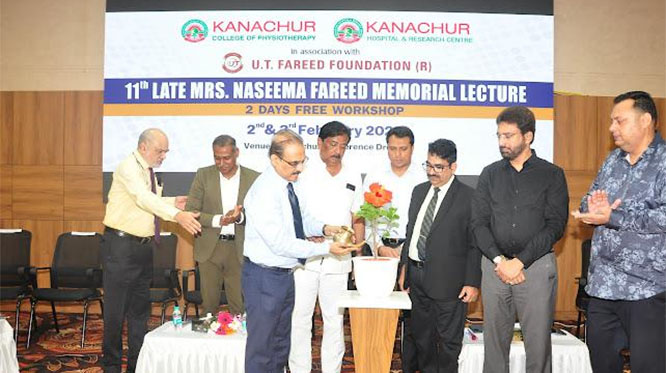
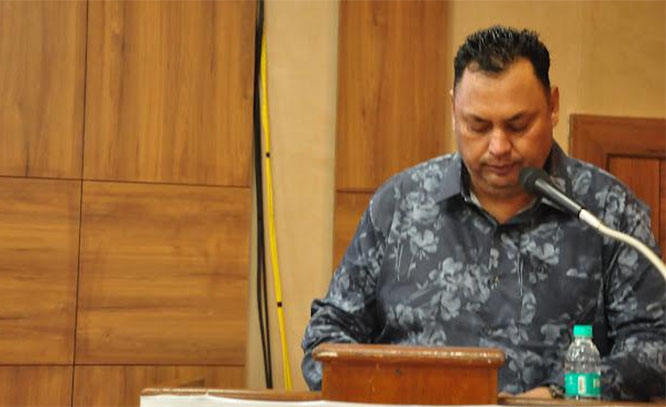
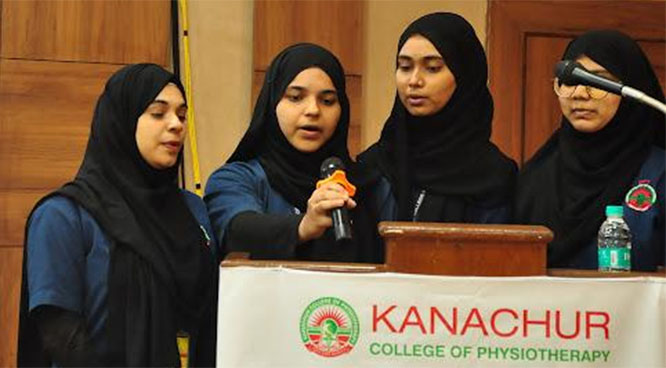
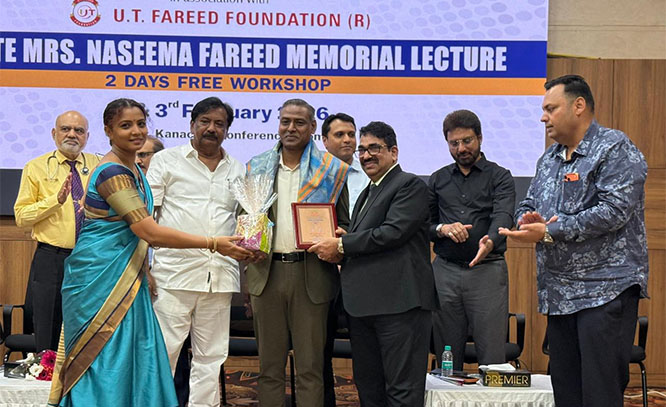
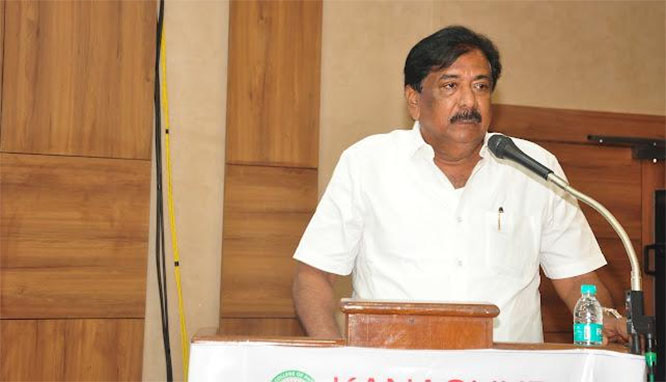
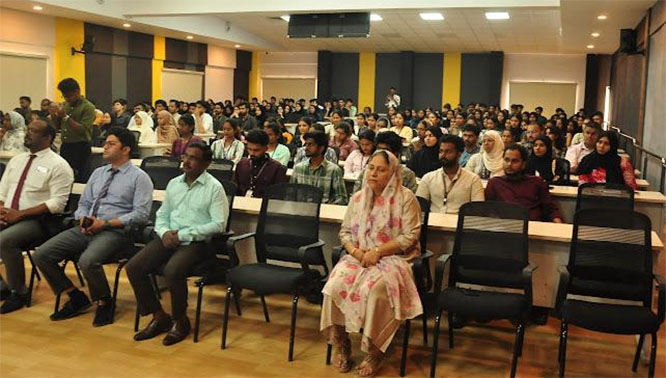
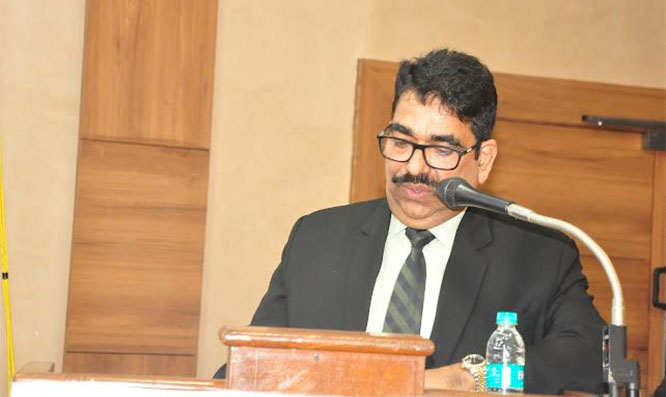
Mangaluru, Feb 3: Kanachur College of Physiotherapy and Kanachur Hospital & Research Centre, in association with U.T. Fareed Foundation (R), organised the 11th Late Mrs. Naseema Fareed Memorial Lecture on Tuesday.

The programme was inaugurated by Dr. Subramanyam K, Head of the Department and Professor, Department of Cardiology, Srinivas Institute of Medical Sciences & Research Centre, Mangaluru. In his inaugural address, Dr. Subramanyam delivered an insightful talk highlighting the vital role of physiotherapy in modern medical care, particularly in cardiac rehabilitation, patient recovery, and improving overall quality of life through a multidisciplinary healthcare approach.

The presidential address was delivered by Dr. Haji U.K. Monu, Chairman, KIET. The keynote address was presented by Dr. Mohammed Ismail Hejamady, who spoke on the evolving scope and significance of physiotherapy.

The event was held in the presence of Mr. Abdul Rahiman, Director, Kanachur Institute of Medical Sciences, Mangaluru; Dr. Vaishali Sreejith, Senate Member, Rajiv Gandhi University of Health Sciences, Bengaluru; Dr. Sudhan S.G., Professor and Principal, Krupanidhi College of Physiotherapy, Bengaluru; Dr. Shanavaz Manipady, Dean, Kanachur Institute of Medical Sciences, Mangaluru; and Dr. Venkat Rai Prabhu, Member, Kanachur Health Science Advisory Council, Kanachur Hospital & Research Centre.

Dr. Mohammad Suhail, Dean, Kanachur College of Physiotherapy, welcomed the guests and delegates.

As part of the programme, a two-day free workshop was organised on the following topics:

•    Art of Practice in Cardiopulmonary Conditions by Dr. Sudhan S.G., Principal, Krupanidhi College of Physiotherapy

•    The Gift of Life – Organ Donation by Dr. Rohan Monis, Chief Administrative Medical Officer

•    Chest X-ray Interpretation by Dr. Hemanth, Department of Radiology, KIMS

•    Pulmonary Rehabilitation by Dr. Vijaya Kumar, Department of Respiratory Medicine, KIMS

Organisers noted that the memorial lecture series has been conducted continuously for the 11th year, benefiting interns and postgraduate students from various colleges across Mangaluru. A total of 130 delegates attended the workshop.

Dr. Reshma, Vice Principal, Kanachur College of Physiotherapy, Mangaluru, delivered the vote of thanks.

Kanchur7.jpg

Kanchur6.jpg

Kanchur5.jpg

Kanchur4.jpg

Kanchur3.jpg

Kanchur1.jpg

Comments

Add new comment

  • Coastaldigest.com reserves the right to delete or block any comments.
  • Coastaldigset.com is not responsible for its readers’ comments.
  • Comments that are abusive, incendiary or irrelevant are strictly prohibited.
  • Please use a genuine email ID and provide your name to avoid reject.
News Network
February 5,2026

In an era where digital distractions are the primary rival to academic excellence, the Karnataka Education Department is taking the fight directly to the living room. As the SSLC (Class 10) annual examinations loom, officials have launched a localized "digital strike" to ensure students aren't losing their competitive edge to scrolling or soap operas.

The 7-to-9 Lockdown

The department has issued a formal directive urging—and in some cases, enforcing via home visits—a total blackout of mobile phones and television sets between 7:00 PM and 9:00 PM. This two-hour window is being designated as "sacred study time" across the state until the examinations conclude on April 2.

Key Pillars of the Initiative:

•    Doorstep Advocacy: Teachers are transitioning from classrooms to living rooms, meeting parents to explain the psychological benefits of a distraction-free environment.

•    Parental Accountability: The campaign shifts the burden of discipline from the student to the household, asking parents to lead by example and switch off their own devices.

•    The Timeline: The focus remains sharp on the upcoming exam block, scheduled from March 18 to April 2.

"The objective is simple: uninterrupted focus. We are reclaiming the evening hours for the students, ensuring their environment is as prepared as their minds," stated a senior department official.

Student vs. Reality

While the student community has largely welcomed the "forced focus"—with many admitting they lack the willpower to ignore notifications—the move has sparked a debate on enforceability. Without a "TV Police," the success of this initiative rests entirely on the shoulders of parents and the persuasive power of visiting educators.

Comments

Add new comment

  • Coastaldigest.com reserves the right to delete or block any comments.
  • Coastaldigset.com is not responsible for its readers’ comments.
  • Comments that are abusive, incendiary or irrelevant are strictly prohibited.
  • Please use a genuine email ID and provide your name to avoid reject.