Philanthropists in Karnataka open their kitchens to feed the urban poor

News Network
April 4, 2020

Bengaluru, Apr 4: As calamity struck the nation in the form of coronavirus, many philanthropists have generously opened their wallets to sustain the urban poor, especially the migrant labourers in the city and elsewhere in Karnataka.

These individuals either directly or through organisations opened up their kitchens to ensure that no one goes to bed hungry in this distressing time.

The Bruhat Bengaluru Mahanagara Palike, the nodal agency to feed urban poor, responded positively to requests by these organisations and individuals to supply food to the needy on their behalf.

"We had been serving food through our Indira canteens, which we continue to do even now. However, many philanthropists and corporates have come forward to feed the needy," the BBMP joint commissioner Sarfaraz Khan told reporters.

According to BBMP, Indira canteens used to provide two lakh meals a day on normal occasions.

However, since the lockdown has been clamped, the number swelled by almost 50 per cent.

"On Thursday alone, we served 2.85 lakh food, which comprises breakfast, lunch and breakfast," a Palike officer said.

The major aid came from Jain International Trade Organisation (JITO) and Azim Premji Foundation.

While JITO is feeding around 22,000 people, Azim Premji Foundation is taking care of 20,000 people.

Sajjanraj Mehta, an office bearer of JITO, told reporters that his organisation has been providing packaged cooked food since March 27.

"We got in touch with Bengaluru Mayor M Gautham Kumar, Police Commissioner Bhaskar Rao and the BBMP commissioner B H Anil Kumar. According to their list, 27,000 food packets were required daily," Mehta told.

The JITO members have arranged vehicles of their respective businesses to transport food packets to different locations as part of the campaign named as 'COVID-19 manav seva'.

The organisation has also decided to utilise the kitchen of Princess Golf, a marriage hall on Palace Grounds here to prepare food.

Palike officials said on Thursday alone JITO supplied 53,000 meals.

"We asked them to cover migrant labourers in those areas where Indira Canteen could not reach. We mapped the cluster and provided them info. Now, they are distributing it there," they said.

Another organisation engaged in charitable work is ISKCON Bengaluru.

Ever since the lockdown, it has been working in various parts of India providing food to various people.

"We are providing materials such as rice, wheat flour, Daal, oil, vegetables with long shelf life, salt, sugar and spices. Each packet can sustain for at least 21 days," Madhu Pandit Dasa, president of ISKCON Bengaluru.

The organisation has set a target to cover at least two lakh people but so far it has reached out to 30,000 people including 25,000 in Bengaluru alone.

"We are feeding about 50,000 people in Delhi, with the Telangana government we are feeding about 40,000 people in Hyderabad, about 10,000 people in Ahmedabad in association with the Gujarat government," Dasa told.

According to BBMP, other organisations providing food to the needy are KMFY, TVS Group, Vimal Bhandari, Radisson Blue Atria Hotel, Hitech Ecowood, Mohammed Shajid, Prestige Group.

Wipro Ltd also pitched in to feed the poor by opening up its industrial kitchen infrastructure.

In a statement, Global Head- Operations of the company Hariprasad Hegde said the humanitarian crisis we are faced with as part of the Covid-19 crisis has multiple dimensions to it, of which the need to deliver cooked meals to the stranded migrant workers and other vulnerable communities is probably the most critical and immediate one.

Recognising this, Wipro has decided to use the industrial kitchen infrastructure in our facilities to provide cooked meals, he said.

This kicked off on April 2 with the delivery of 43,000 meals from our Bangalore facility in Kodathi to the government.

"We have made use of our own procurement logistics to source the food provisions. This is a collaborative process, with the government taking responsibility for the logistics of last mile delivery to the communities that need it the most,” he said.

In the case of Bangalore, the Karnataka government has come forward to provide this kind of complementary delivery support. We are reaching out to other state governments and local administrations for similar efforts." he said.

Comments

Add new comment

  • Coastaldigest.com reserves the right to delete or block any comments.
  • Coastaldigset.com is not responsible for its readers’ comments.
  • Comments that are abusive, incendiary or irrelevant are strictly prohibited.
  • Please use a genuine email ID and provide your name to avoid reject.
News Network
February 3,2026

Kanchur2.jpg

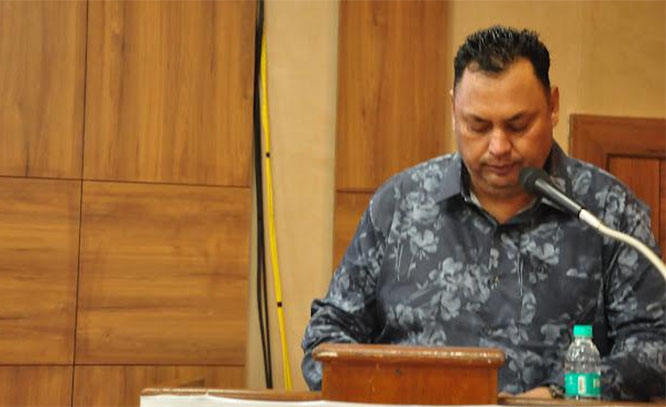
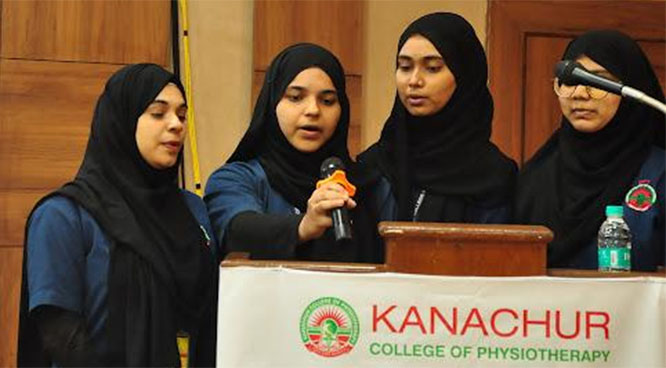
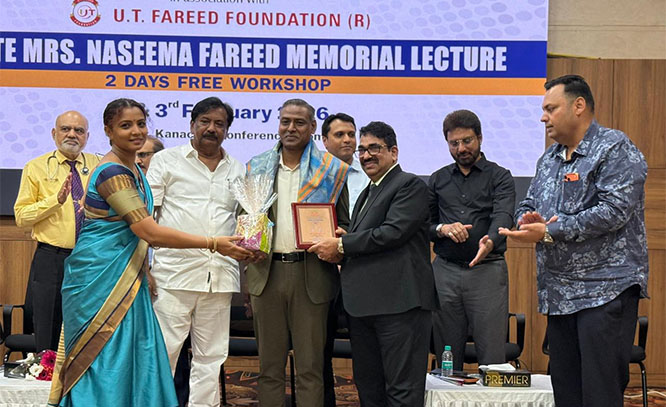
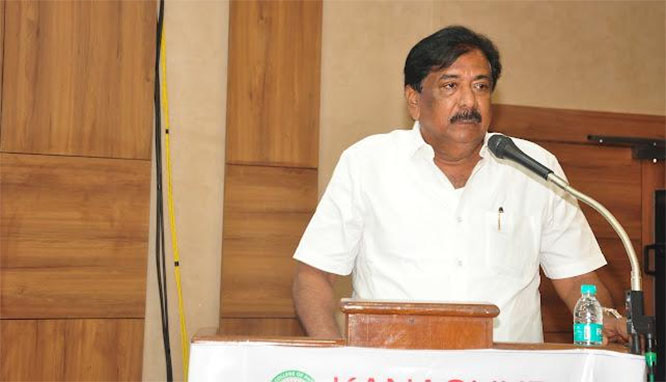
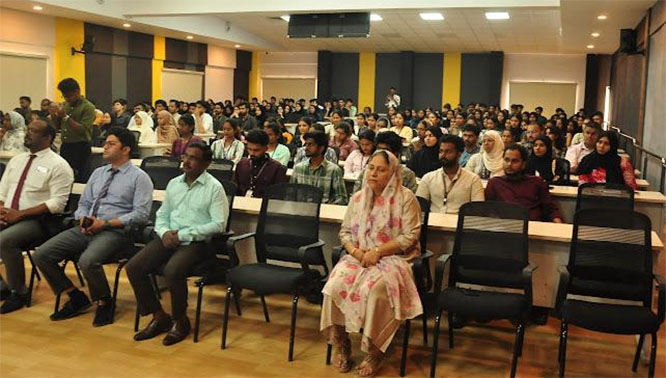
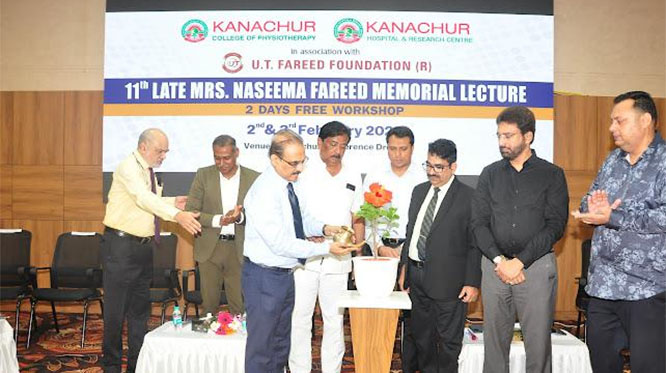
Mangaluru, Feb 3: Kanachur College of Physiotherapy and Kanachur Hospital & Research Centre, in association with U.T. Fareed Foundation (R), organised the 11th Late Mrs. Naseema Fareed Memorial Lecture on Tuesday.

The programme was inaugurated by Dr. Subramanyam K, Head of the Department and Professor, Department of Cardiology, Srinivas Institute of Medical Sciences & Research Centre, Mangaluru. In his inaugural address, Dr. Subramanyam delivered an insightful talk highlighting the vital role of physiotherapy in modern medical care, particularly in cardiac rehabilitation, patient recovery, and improving overall quality of life through a multidisciplinary healthcare approach.

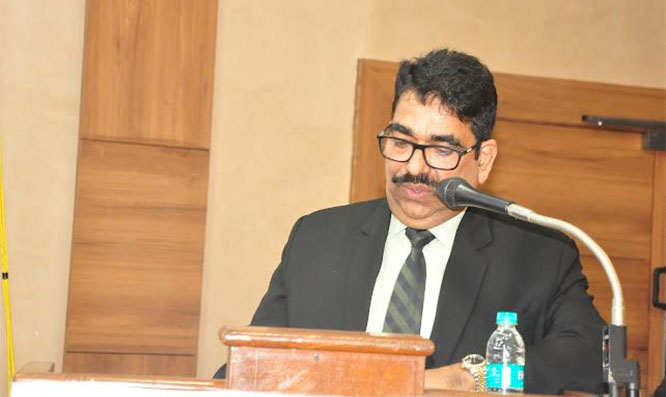
The presidential address was delivered by Dr. Haji U.K. Monu, Chairman, KIET. The keynote address was presented by Dr. Mohammed Ismail Hejamady, who spoke on the evolving scope and significance of physiotherapy.

The event was held in the presence of Mr. Abdul Rahiman, Director, Kanachur Institute of Medical Sciences, Mangaluru; Dr. Vaishali Sreejith, Senate Member, Rajiv Gandhi University of Health Sciences, Bengaluru; Dr. Sudhan S.G., Professor and Principal, Krupanidhi College of Physiotherapy, Bengaluru; Dr. Shanavaz Manipady, Dean, Kanachur Institute of Medical Sciences, Mangaluru; and Dr. Venkat Rai Prabhu, Member, Kanachur Health Science Advisory Council, Kanachur Hospital & Research Centre.

Dr. Mohammad Suhail, Dean, Kanachur College of Physiotherapy, welcomed the guests and delegates.

As part of the programme, a two-day free workshop was organised on the following topics:

•    Art of Practice in Cardiopulmonary Conditions by Dr. Sudhan S.G., Principal, Krupanidhi College of Physiotherapy

•    The Gift of Life – Organ Donation by Dr. Rohan Monis, Chief Administrative Medical Officer

•    Chest X-ray Interpretation by Dr. Hemanth, Department of Radiology, KIMS

•    Pulmonary Rehabilitation by Dr. Vijaya Kumar, Department of Respiratory Medicine, KIMS

Organisers noted that the memorial lecture series has been conducted continuously for the 11th year, benefiting interns and postgraduate students from various colleges across Mangaluru. A total of 130 delegates attended the workshop.

Dr. Reshma, Vice Principal, Kanachur College of Physiotherapy, Mangaluru, delivered the vote of thanks.

Kanchur7.jpg

Kanchur6.jpg

Kanchur5.jpg

Kanchur4.jpg

Kanchur3.jpg

Kanchur1.jpg

Comments

Add new comment

  • Coastaldigest.com reserves the right to delete or block any comments.
  • Coastaldigset.com is not responsible for its readers’ comments.
  • Comments that are abusive, incendiary or irrelevant are strictly prohibited.
  • Please use a genuine email ID and provide your name to avoid reject.
coastaldigest.com news network
February 5,2026

protestkerala.jpg

Mangaluru: The KSRTC Mangaluru division has rolled back the fare hike on buses operating on the Mangaluru–Kasaragod route following the suspension of toll collection at the Arikkady toll plaza near Kumbala in Kasaragod district.

The fare revision had been implemented after the National Highways Authority of India (NHAI) began toll collection at the Arikkady plaza on NH-66. As a result, fares for ordinary and Rajahamsa services were increased by ₹7 and ₹10, respectively, raising the bus fare from Mangaluru to Kasaragod from ₹81 to ₹88.

Senior Divisional Controller of KSRTC’s Mangaluru division, Rajesh Shetty, said the fares were reduced after toll collection at the Arikkady plaza was stopped. “The tollgate began operations on January 13, and the toll amount was deducted from the FASTag accounts of KSRTC buses operating on the route. Following an order from the central government to suspend toll collection, KSRTC has also withdrawn the additional fare with immediate effect,” he said.

At present, vehicles travelling on the Mangaluru–Kasaragod route pay toll only at the Talapady toll plaza. The toll for light motor vehicles (LMVs) at Talapady is ₹80 for a same-day return, while heavy vehicles, including buses, are charged ₹250. At Arikkady, the toll rates were ₹130 for LMVs (same-day return) and ₹450 for buses.

Protests against Arikkady toll plaza

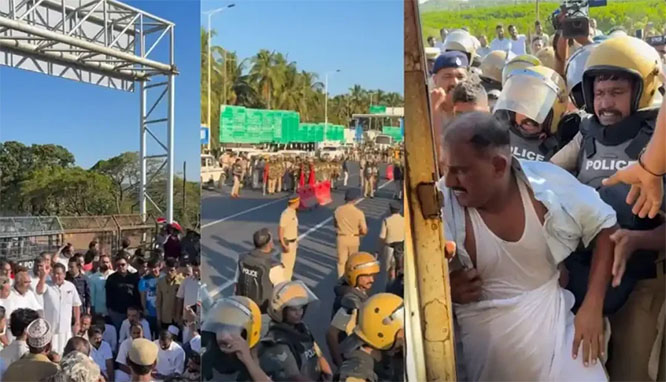
The Arikkady toll plaza witnessed widespread protests from January 12, the day toll collection commenced. On the second day, an action committee led by Manjeshwar MLA A K M Ashraf launched an indefinite protest at the site. Except for the BJP, leaders and workers of most major political parties participated in the agitation.

On the night of January 14, a large number of protesters gathered at the plaza and vandalised property, following which authorities temporarily suspended toll operations. The BJP later also expressed opposition to the toll plaza and criticised NHAI’s decision. 

Comments

Add new comment

  • Coastaldigest.com reserves the right to delete or block any comments.
  • Coastaldigset.com is not responsible for its readers’ comments.
  • Comments that are abusive, incendiary or irrelevant are strictly prohibited.
  • Please use a genuine email ID and provide your name to avoid reject.
News Network
February 5,2026

In an era where digital distractions are the primary rival to academic excellence, the Karnataka Education Department is taking the fight directly to the living room. As the SSLC (Class 10) annual examinations loom, officials have launched a localized "digital strike" to ensure students aren't losing their competitive edge to scrolling or soap operas.

The 7-to-9 Lockdown

The department has issued a formal directive urging—and in some cases, enforcing via home visits—a total blackout of mobile phones and television sets between 7:00 PM and 9:00 PM. This two-hour window is being designated as "sacred study time" across the state until the examinations conclude on April 2.

Key Pillars of the Initiative:

•    Doorstep Advocacy: Teachers are transitioning from classrooms to living rooms, meeting parents to explain the psychological benefits of a distraction-free environment.

•    Parental Accountability: The campaign shifts the burden of discipline from the student to the household, asking parents to lead by example and switch off their own devices.

•    The Timeline: The focus remains sharp on the upcoming exam block, scheduled from March 18 to April 2.

"The objective is simple: uninterrupted focus. We are reclaiming the evening hours for the students, ensuring their environment is as prepared as their minds," stated a senior department official.

Student vs. Reality

While the student community has largely welcomed the "forced focus"—with many admitting they lack the willpower to ignore notifications—the move has sparked a debate on enforceability. Without a "TV Police," the success of this initiative rests entirely on the shoulders of parents and the persuasive power of visiting educators.

Comments

Add new comment

  • Coastaldigest.com reserves the right to delete or block any comments.
  • Coastaldigset.com is not responsible for its readers’ comments.
  • Comments that are abusive, incendiary or irrelevant are strictly prohibited.
  • Please use a genuine email ID and provide your name to avoid reject.